What Is Plant Medicine?
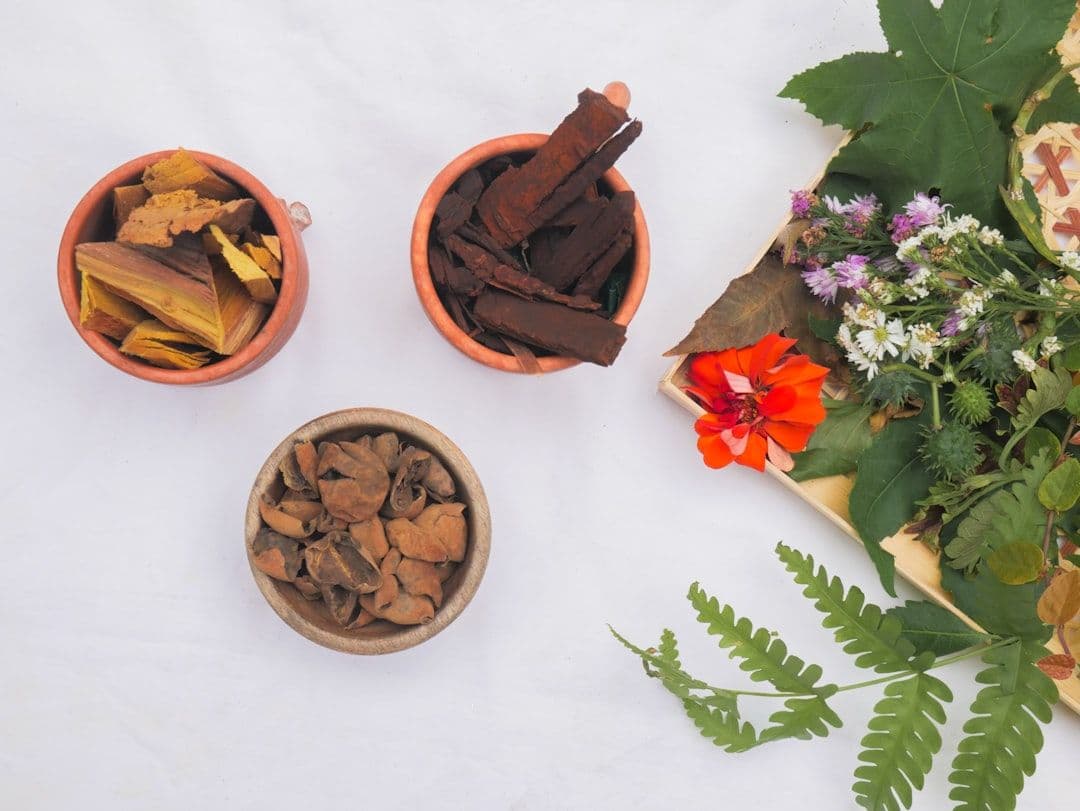
Plant medicine is the therapeutic use of plants, botanical compounds, and herbal preparations to support health and wellbeing. It draws on traditional knowledge systems spanning thousands of years—from Ayurvedic medicine in India to Traditional Chinese Medicine to European herbalism—combined with modern phytochemical research. Plant medicine practitioners work with the active compounds found in leaves, roots, seeds, flowers, and bark to create individualized treatment plans. This might include teas, tinctures, powders, capsules, or prepared extracts. The field exists at the intersection of traditional wisdom and contemporary botanical science, with practitioners drawing on both historical use patterns and current clinical evidence. Unlike pharmaceutical drugs that typically isolate a single active compound, plant medicine often employs whole plant preparations, which contain multiple phytochemicals that may work synergistically. Plant medicine is practiced within holistic health frameworks and is intended to complement, not replace, conventional medical care.
How Does It Work?
Plant medicine works through multiple mechanisms depending on the specific plant and condition. Botanicals contain various phytochemicals—alkaloids, flavonoids, volatile oils, polysaccharides—that interact with the body's physiology. For anxiety and nervous system complaints, nervine herbs like Passionflower and Ashwagandha contain compounds that may support relaxation and reduce hyperarousal without the dependency concerns of some pharmaceutical options. For digestive concerns, carminative and anti-spasmodic plants work on the smooth muscles of the gut, potentially reducing cramping and promoting more comfortable digestion. Sleep-supporting herbs like Valerian contain compounds that may gently encourage natural rest patterns. For hormone-related conditions like premenstrual syndrome, certain botanicals are believed to work through phytoestrogenic or adaptogenic pathways, gradually supporting hormonal balance over cycles. With emerging applications like PTSD and treatment-resistant depression, specific plants are being explored for their potential to shift neuroplasticity and facilitate emotional processing within therapeutic frameworks. A qualified plant medicine practitioner selects preparations based on your unique constitution, symptoms, and health history—recognizing that individual responses vary significantly based on genetics, metabolism, and overall health status.
What Does a Session Involve?
An initial plant medicine consultation typically involves an in-depth health assessment. The practitioner will ask about your main health concerns, past medical history, current medications, any surgeries or injuries, family health patterns, lifestyle factors like stress and sleep, and your dietary habits and preferences. This thorough intake is essential because plants can interact with medications and certain preparations may be inappropriate for specific health conditions. After the assessment, the practitioner develops a personalized herbal protocol tailored to your needs, which might include several different plant preparations. They will explain what each plant does, how to take it, what to expect, and any precautions or dietary interactions. You'll typically receive detailed instructions on preparation—whether to steep as a tea, take as a tincture before meals, or use other methods. Follow-up sessions involve monitoring how you're responding: whether symptoms are improving, if any side effects have emerged, and whether adjustments to the protocol are needed. Most practitioners recommend follow-up appointments after two to four weeks to assess progress, then periodically as you stabilize. Throughout treatment, a responsible practitioner will encourage you to maintain communication with your medical doctor, especially if you're taking medications or dealing with serious health conditions.
Who May Benefit?
Plant medicine may appeal to people seeking complementary support for a range of conditions and life situations. Those experiencing mild to moderate anxiety may find nervine herbs helpful, particularly individuals interested in alternatives that don't carry dependency concerns. People struggling with insomnia often explore plant-based sleep support, especially those sensitive to pharmaceutical sleep aids or preferring a gentler approach. Individuals with irritable bowel syndrome or chronic digestive discomfort may explore carminative and spasmolytic botanicals as part of their overall management strategy. People experiencing premenstrual syndrome symptoms might consider hormone-balancing plants as a way to support the body through monthly cycles. Those in therapy for trauma or PTSD might, under professional guidance and with doctor approval, explore certain botanical preparations as complementary support. People exploring treatment-resistant depression, again with full medical oversight and professional guidance, might consider plant-based approaches that research suggests could support neuroplasticity. Generally, people who benefit most from plant medicine are those who are willing to invest time in consultation, follow practitioner guidance carefully, maintain communication with their healthcare team, have realistic expectations about timeline and efficacy, and view plant medicine as part of a comprehensive wellness approach rather than a standalone cure.
What Does the Evidence Say?
The evidence base for plant medicine varies by condition and specific botanical. For anxiety, generalized anxiety disorder, and nervous system hyperarousal, moderate evidence supports the use of nervine herbs like Passionflower, Ashwagandha, and Lemon Balm in clinical settings and meta-analyses. For insomnia, moderate evidence suggests traditional sleep-supporting herbs like Valerian and Passionflower promote natural rest, though effects are often more modest than pharmaceutical options. For irritable bowel syndrome, moderate evidence indicates that anti-spasmodic and carminative plants may help relax the digestive tract, though evidence is stronger for symptom management than for underlying causation. For premenstrual syndrome, moderate evidence supports hormone-balancing botanicals in reducing mood and physical symptoms, particularly with consistent use over multiple cycles. Evidence for PTSD and treatment-resistant depression is emerging and limited, with preliminary research exploring how specific botanical alkaloids and compounds might facilitate emotional processing and neuroplasticity. However, these applications remain highly specialized and should only be pursued with experienced practitioners and full medical supervision. It's important to note that clinical evidence quality varies—some studies are rigorous, while others are smaller or less controlled. The fact that a plant has traditional use spanning centuries is valuable but does not replace modern clinical evidence. A qualified practitioner understands both the strength and limits of evidence for their recommendations.
Safety and Considerations
Safety in plant medicine requires awareness of several key considerations. Plants are not automatically safe simply because they come from nature—they contain active compounds that produce effects and can cause side effects and interactions. Some plants interact significantly with medications, particularly blood thinners (affecting Vitamin K-containing herbs), antidepressants, immunosuppressants, and heart medications. Certain plants are contraindicated during pregnancy or nursing, and some pose risks for people with liver or kidney disease. Allergic reactions and adverse effects can occur, including digestive upset, headaches, dizziness, or skin reactions. Quality and purity of botanical products vary widely by supplier, and some products may be contaminated or mislabeled. This is why working with a qualified practitioner who sources from reputable suppliers is essential. Before starting plant medicine, people taking medications, with serious health conditions, who are pregnant or nursing, or with a history of mental health concerns should consult both a qualified plant medicine practitioner and their medical doctor. Self-prescribing plants based on internet research without professional guidance carries significant risks. Additionally, plant medicine should never replace urgent medical care for serious acute conditions. Anyone experiencing severe symptoms should seek immediate medical attention rather than attempting to treat with botanicals.
How to Find a Qualified Practitioner
Finding a qualified plant medicine or herbal medicine practitioner requires research and careful vetting. Look for practitioners who have completed formal training through accredited herbal medicine, naturopathic, or botanical medicine programs—preferably programs requiring 500+ hours of coursework and clinical training. Check for professional credentials and membership in recognized organizations such as the American Herbalists Guild, the National Ayurvedic Medical Association, or similar professional bodies in your region. Verify that they carry liability insurance and have a clean professional record. A qualified practitioner should take a thorough health history during your first appointment, ask detailed questions about medications and conditions, clearly explain their approach and expected timeline, and be willing to refer you to a medical doctor for serious concerns. Be cautious of practitioners who make absolute cure claims, pressure you to stop prescribed medications, claim they can treat serious diseases, or avoid discussing potential interactions. Read reviews and testimonials, but recognize that online reviews are not regulated. Interview prospective practitioners before committing—ask about their training, their approach to safety, how they handle interactions with medications, and their philosophy about working alongside conventional medicine. The right practitioner views plant medicine as complementary care that works best as part of a comprehensive health team including your primary care doctor. Expect to pay for consultations comparable to other healthcare practitioners; extremely low fees may indicate insufficient expertise.