The Therapeutic Power of Clay
Your hands sink into cool, damp clay as it responds to your touch—yielding, reshaping, becoming something new with each gentle pressure. This immediate, sensory connection forms the heart of pottery therapy, where the ancient craft of working with clay meets contemporary understanding of mental health support.
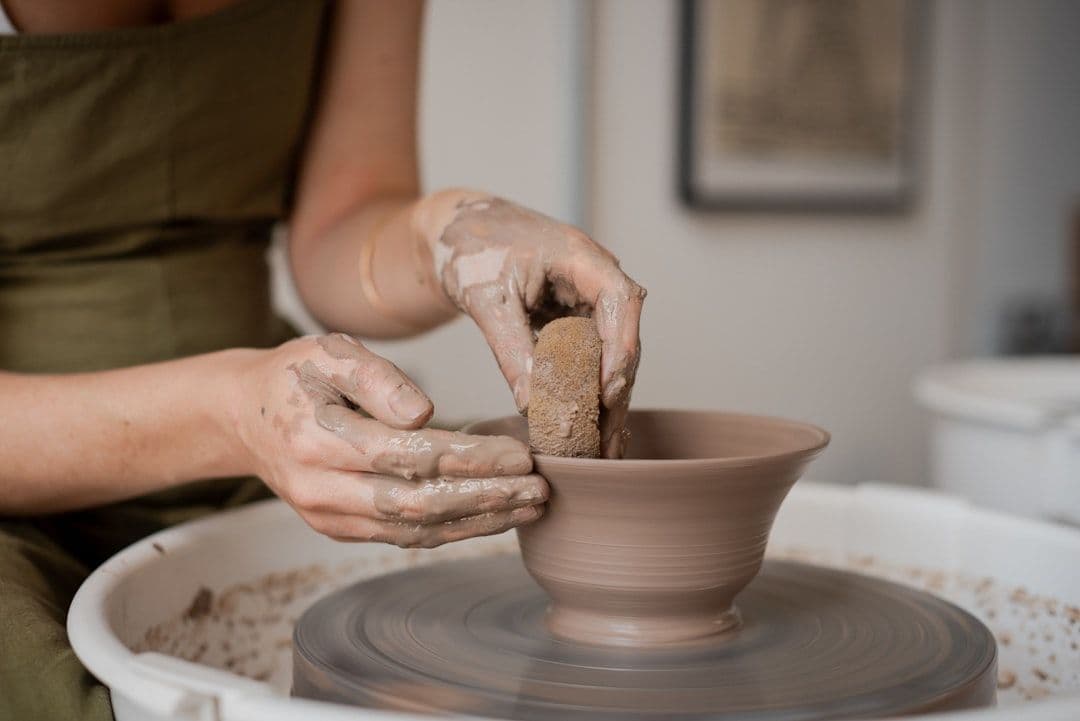
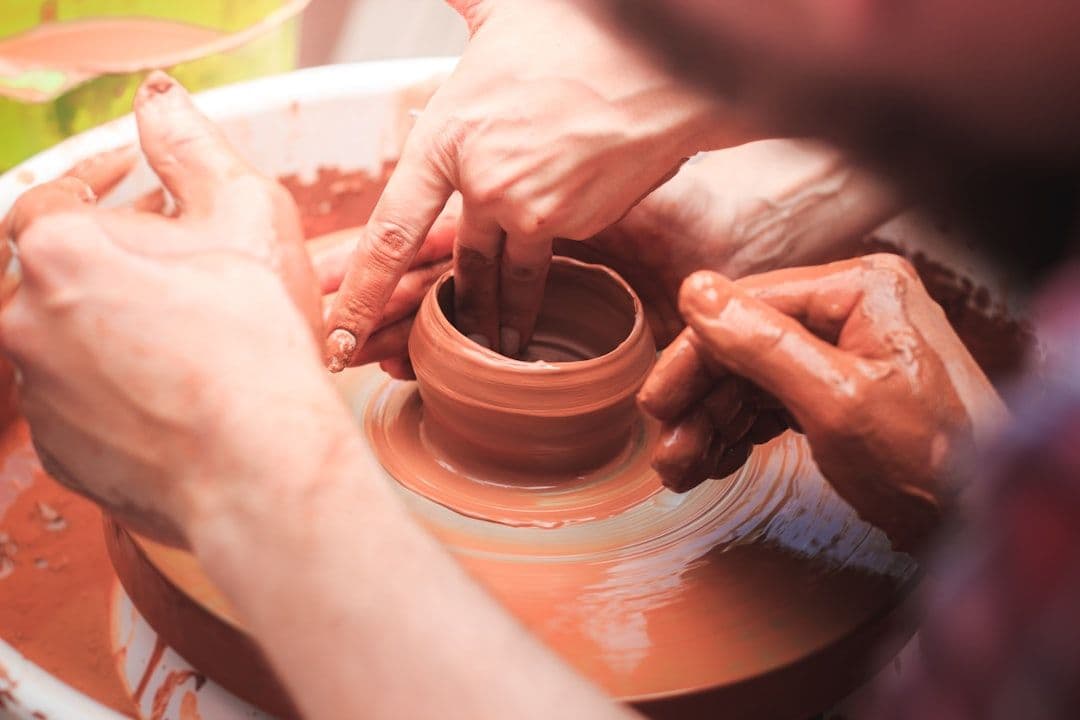
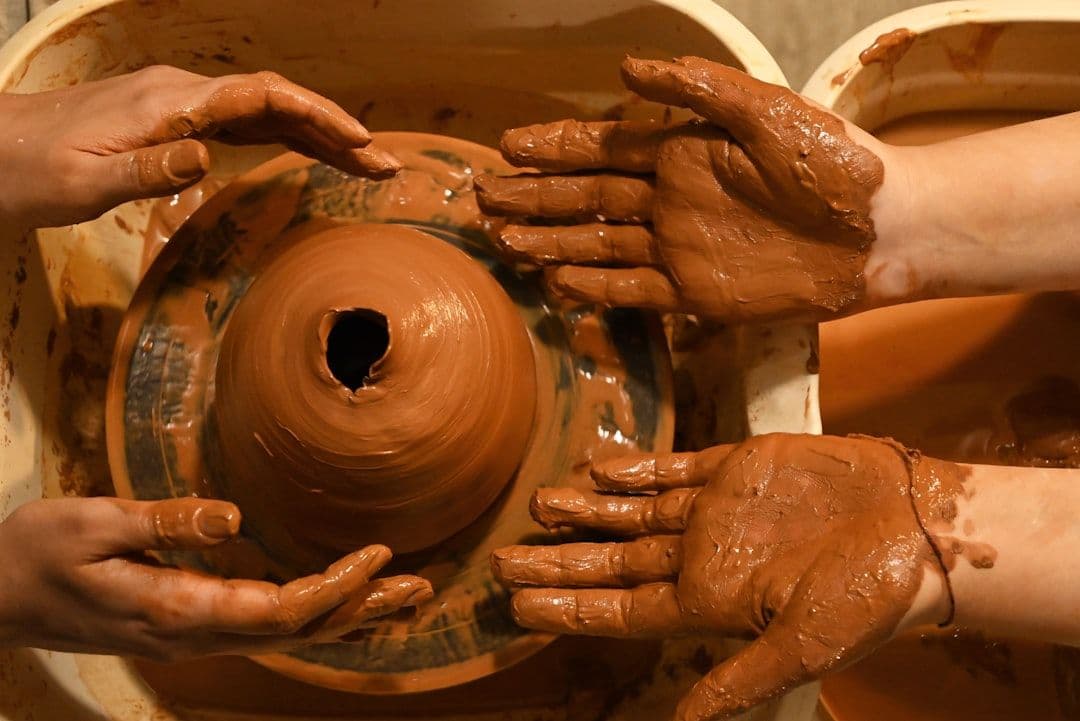
Pottery therapy invites participants to engage with clay through hand-building, wheel-throwing, or sculpting whilst exploring emotions and experiences with a trained facilitator. The practice recognises that creativity and healing often intertwine, offering a pathway to self-discovery that bypasses the need for words when feelings prove too complex or overwhelming to express verbally.
Unlike recreational pottery classes, pottery therapy integrates therapeutic principles with clay work. Participants may create specific pieces that represent emotions or relationships, or simply allow their hands to work whilst processing difficult experiences. The clay becomes both medium and metaphor—capable of being broken down and rebuilt, much like the healing process itself.
Origins and Evolution
The therapeutic use of clay emerged from the broader art therapy movement that developed in the mid-20th century. Pioneers like Edith Kramer and Margaret Naumburg recognised art's potential to facilitate psychological healing, laying groundwork for specialised approaches using different creative media.
Pottery therapy as a distinct practice gained momentum in the 1970s and 1980s, drawing from both psychodynamic therapy traditions and occupational therapy principles. Practitioners noted that clay's unique properties—its plasticity, responsiveness, and three-dimensional nature—offered therapeutic opportunities that painting or drawing could not provide.
Today, pottery therapy continues evolving within community mental health services, private practice, and residential care settings. Some programmes focus on mindfulness and stress reduction, whilst others emphasise deeper psychological exploration through symbolic clay work.
How Clay Facilitates Healing
The therapeutic mechanisms of pottery therapy operate on multiple levels. Physically, the repetitive motions of kneading, rolling, and shaping clay may activate the parasympathetic nervous system, promoting relaxation and reducing stress hormones. The bilateral nature of working with clay—using both hands in coordinated movement—may also support neural integration in ways that complement trauma recovery.
Cognitively, pottery therapy engages problem-solving skills whilst maintaining a meditative quality. Unlike many daily tasks that demand specific outcomes, clay work allows for experimentation and accepts 'mistakes' as part of the creative process. This can help people develop more flexible thinking patterns and reduce perfectionism.
The symbolic dimension proves equally important. Clay's capacity for transformation—wet to dry, soft to hard, shapeless to formed—often mirrors psychological processes participants are experiencing. Creating objects that represent relationships, fears, or aspirations can externalise internal experiences, making them easier to examine and work with therapeutically.
Who Finds Pottery Therapy Helpful
Pottery therapy particularly benefits people who struggle with verbal expression of emotions. Those experiencing anxiety may find the rhythmic, grounding nature of clay work soothing, whilst individuals with depression might discover renewed sense of agency through creating something tangible and meaningful.
People processing grief or major life transitions often respond well to pottery therapy's metaphorical possibilities. The ability to create memorials, represent lost relationships, or symbolically work through change can provide comfort and clarity that traditional talking therapy alone might not offer.
The practice also supports individuals with trauma histories who may find verbal processing overwhelming or retraumatising. Clay work can provide a gentle entry point for exploring difficult experiences whilst maintaining appropriate psychological distance through symbolic representation.
What to Expect in Sessions
A typical pottery therapy session begins with a brief check-in about current emotional state and any themes the participant wishes to explore. The facilitator might suggest specific techniques or projects, though many sessions allow for spontaneous creation based on what emerges in the moment.
You might start by simply feeling the clay, noticing its temperature and texture, before beginning to shape it. Some sessions focus on creating specific objects—bowls to represent containment, figures to explore relationships, or abstract forms to express emotions that lack clear definition. Others involve destruction and reconstruction, exploring themes of resilience and renewal.
The final portion typically includes reflection on both the process and the outcome. What did you notice whilst working? How did your initial intention evolve? What meaning do you find in the final piece? This integration phase helps translate clay work insights into everyday psychological understanding.
Current Research and Evidence
Early-stage research suggests pottery therapy may offer meaningful benefits for various mental health conditions. A 2019 pilot study with 26 participants found significant reductions in anxiety and depression scores following an eight-week pottery therapy programme. Participants reported improved mood, increased self-awareness, and enhanced coping strategies.
Smaller case studies document positive outcomes for grief processing, trauma recovery, and addiction treatment settings. However, most research involves limited sample sizes and lacks control groups, making it difficult to establish definitive causal relationships between pottery therapy and improved mental health.
Practitioner observations consistently report enhanced emotional regulation, improved self-esteem, and increased mindfulness amongst participants. While these findings are encouraging, larger randomised controlled trials are needed to establish pottery therapy's efficacy compared to other therapeutic approaches.
Finding Qualified Practitioners
Look for practitioners registered with the CNHC or FHT who hold specific training in pottery therapy or creative arts therapy. Many practitioners combine backgrounds in mental health counselling with additional certification in clay-based therapeutic techniques.
Expect to pay between £40-80 per individual session, with some practitioners offering group sessions at reduced rates. Sessions typically last 60-90 minutes and may be scheduled weekly initially, moving to fortnightly as progress develops.
When choosing a practitioner, enquire about their specific training in both therapeutic principles and clay techniques. The most effective pottery therapists understand psychological processes whilst also possessing sufficient pottery skills to guide you safely through various clay-working methods. Many offer initial consultations to discuss whether pottery therapy aligns with your therapeutic goals.