What Actually Happens During PEMF Therapy
A woman lies on what looks like a large yoga mat, though beneath the comfortable surface runs a grid of copper coils. The device hums quietly as invisible electromagnetic pulses cycle through her body at precisely eight pulses per second. She feels nothing more than a gentle warmth, yet the electromagnetic field penetrates every cell, potentially influencing the tiny powerhouses within them.
Pulsed Electromagnetic Field therapy delivers targeted electromagnetic frequencies to body tissues through specialised devices. Unlike the static magnetic fields of therapeutic magnets, PEMF generates brief, rhythmic pulses that penetrate deeply into tissues. These pulses operate at frequencies ranging from less than one pulse per second to several thousand, each designed to influence specific cellular processes.
The therapy uses the principle that all living cells are essentially electrical in nature, maintaining specific voltages across their membranes. PEMF practitioners suggest that illness, injury, or environmental stressors can disrupt this cellular electrical activity, and that precisely calibrated electromagnetic pulses may help restore optimal cellular function.
From NASA Research to Clinical Application
PEMF therapy emerged from decades of research into bioelectromagnetics, with significant early development by NASA scientists studying how to maintain astronaut health during long space missions. In the absence of Earth's natural electromagnetic field, astronauts experienced bone loss and delayed wound healing, leading researchers to investigate therapeutic electromagnetic applications.
The technology gained clinical attention in the 1970s when researchers began studying electromagnetic fields for bone healing. The FDA approved the first PEMF device for treating non-union bone fractures in 1979, marking its entry into conventional medicine for specific applications.
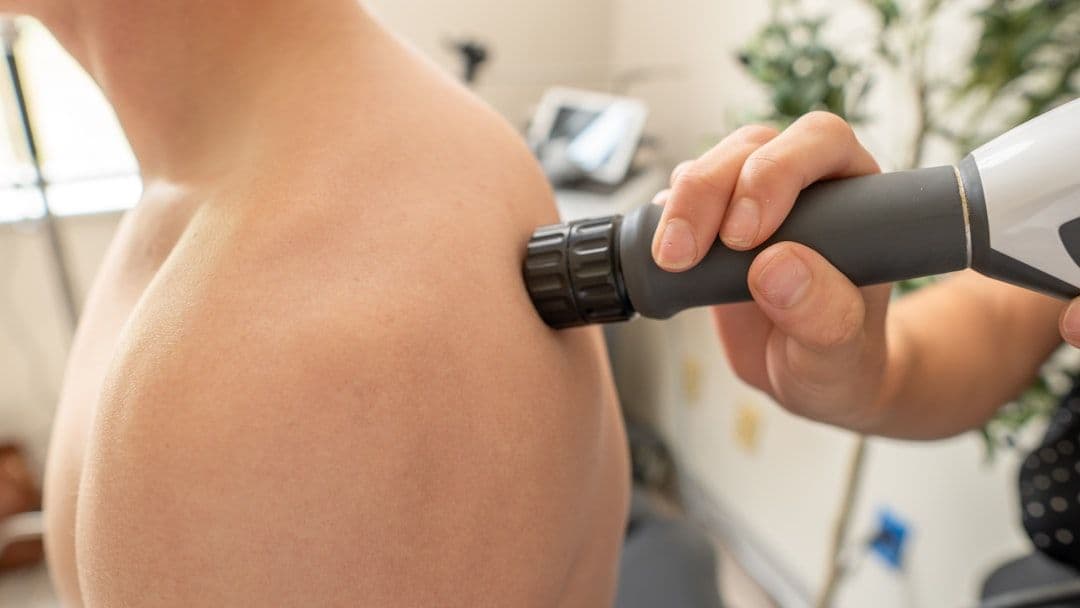
Today's PEMF devices have evolved far beyond their clinical origins. Practitioners use systems ranging from whole-body mats delivering gentle, earth-frequency pulses to targeted applicators generating intense, localised fields. The field has expanded to include practitioners from various backgrounds: physiotherapists incorporating PEMF into rehabilitation programmes, wellness clinics offering it alongside other complementary therapies, and specialised PEMF practitioners focusing exclusively on electromagnetic therapies.
The Cellular Energy Theory
PEMF proponents explain their therapy through the lens of cellular bioenergetics. They suggest that electromagnetic pulses influence mitochondria—the cellular structures responsible for energy production—potentially enhancing ATP synthesis and improving cellular metabolism. The theory proposes that specific frequencies can optimise ion transport across cell membranes and enhance cellular communication.
From a biomedical perspective, researchers have identified several potential mechanisms. Some studies suggest PEMF may influence calcium ion channels, affect nitric oxide production, or stimulate the release of growth factors. The varying frequencies used in different protocols theoretically target different biological processes: lower frequencies for bone and tissue healing, mid-range frequencies for circulation and cellular repair, and higher frequencies for acute pain management.
The challenge lies in translating these theoretical mechanisms into consistent clinical outcomes. While the basic principle that electromagnetic fields can influence biological systems is well-established, determining optimal frequencies, intensities, and treatment protocols for specific conditions remains largely empirical rather than evidence-based.
Who Seeks PEMF Therapy
People with chronic pain conditions often explore PEMF when conventional treatments provide insufficient relief. Those with fibromyalgia, arthritis, or persistent back pain may find appeal in a non-pharmaceutical approach that doesn't require ingesting substances or enduring uncomfortable procedures.
Athletes and active individuals increasingly use PEMF devices for recovery optimisation. Professional sports teams and elite training facilities have integrated PEMF systems into their recovery protocols, though the evidence supporting performance benefits remains largely anecdotal.
Individuals with slow-healing injuries or bone-related conditions represent another significant group. While the FDA approval for bone fracture healing provides some clinical credibility, many people seek PEMF for softer tissue injuries or general wound healing support, areas where the evidence base is considerably thinner.
Inside a PEMF Session
A typical PEMF session begins with the practitioner assessing your specific concerns and selecting appropriate device settings. You remain fully clothed throughout the treatment, lying or sitting comfortably while electromagnetic fields cycle through your body.
Sessions range from 15 minutes for targeted applications to an hour for whole-body treatments. Most people report feeling relaxed during treatment, with some experiencing mild tingling or warmth. The devices operate silently except for occasional clicking as the electromagnetic coils cycle on and off.
Treatment protocols vary significantly between practitioners and conditions. Some recommend daily sessions for acute issues, while chronic conditions might warrant two to three sessions weekly over several months. Many practitioners provide home-use devices for ongoing maintenance, though these typically operate at lower intensities than clinical systems.
The session concludes with the practitioner discussing your response and adjusting future protocols accordingly. Unlike many therapeutic modalities, PEMF effects are often subtle initially, with practitioners suggesting that benefits accumulate over multiple sessions rather than providing immediate dramatic relief.
Evidence Landscape and Clinical Reality
The evidence supporting PEMF therapy presents a complex picture. The strongest research exists for bone healing, where several controlled trials have demonstrated accelerated fracture repair. However, most studies in other areas involve small sample sizes, lack proper controls, or focus on biomarker changes rather than clinical outcomes.
Preliminary research suggests potential benefits for osteoarthritis pain, depression, and wound healing, but these findings require replication in larger, well-designed trials. Many studies have been conducted by device manufacturers or researchers with financial interests in the technology, raising questions about bias.
In clinical practice, practitioners report seeing positive responses in roughly 60-70% of patients, particularly for pain management and recovery enhancement. However, these observations lack the rigour of controlled research and may be influenced by placebo effects, natural healing processes, or concurrent treatments.
The heterogeneity of PEMF devices and protocols makes research particularly challenging. Different devices use vastly different frequencies, intensities, and waveforms, making it difficult to generalise findings from one study to clinical practice with different equipment.
Finding Qualified Practitioners and Costs
PEMF practitioners come from diverse professional backgrounds, as no standardised qualification exists specifically for electromagnetic therapy. Look for practitioners with healthcare backgrounds—physiotherapists, osteopaths, or nurses—who have completed manufacturer training programmes. The Federation of Holistic Therapists maintains registers of practitioners using various electromagnetic therapies.
Clinical PEMF sessions typically cost £60-120 per treatment, with initial consultations sometimes priced higher. Treatment packages often reduce per-session costs, though practitioners should discuss expected treatment duration before you commit to extensive programmes.
Home-use devices range from £200 for basic units to over £2000 for sophisticated systems. While convenient, home devices operate at significantly lower intensities than clinical equipment. Reputable manufacturers provide detailed protocols and ongoing support, though the effectiveness of self-administered treatment depends heavily on proper device selection and consistent use.
Before beginning treatment, ensure your practitioner understands any medical devices you use and discusses realistic expectations for your specific condition. Quality practitioners will integrate PEMF with other treatments rather than positioning it as a standalone solution for complex health issues.