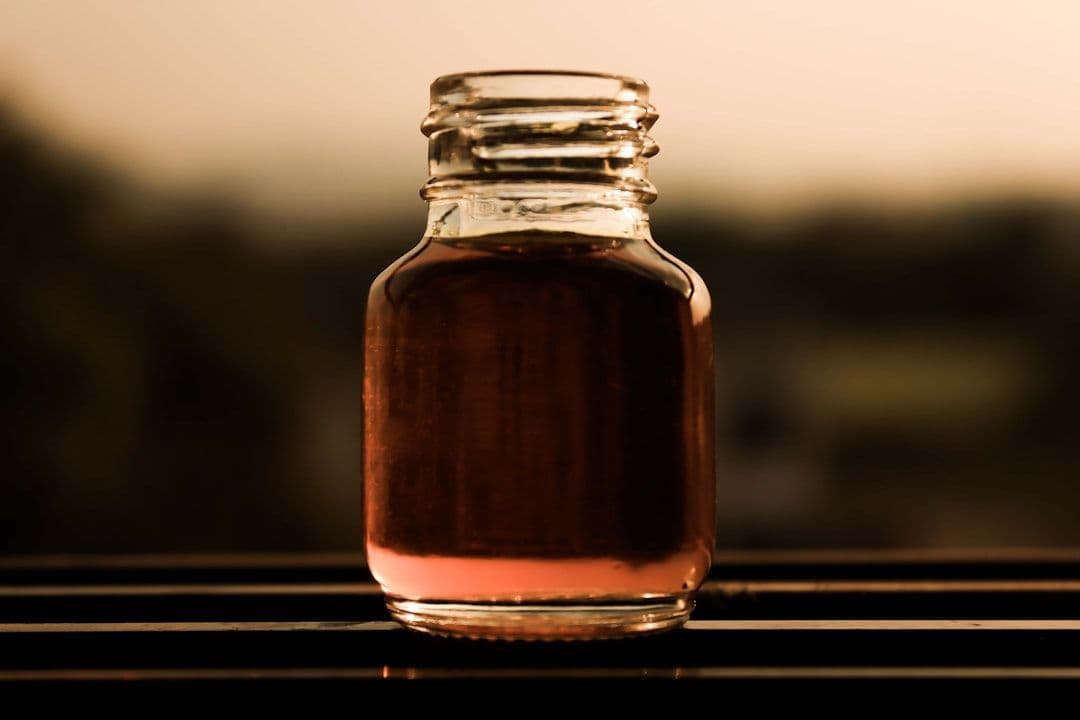
What Is Rasayana Therapy?
Rasayana Therapy is a traditional Ayurvedic rejuvenation practice with roots spanning over 2,000 years in South Asian healing traditions. The word 'Rasayana' comes from Sanskrit: 'rasa' meaning plasma or nutrient essence, and 'yana' meaning pathway. Together, it describes a healing system designed to nourish the body's deepest tissues and restore vitality at a cellular level.
Unlike acute treatments that address immediate imbalance, Rasayana is a preventive and restorative practice. It uses carefully selected herbal tonics, specialized dietary protocols, and lifestyle practices to build strength, resilience, and longevity. Rasayana is considered the fourth pillar of Ayurvedic medicine, alongside Samhita (foundational knowledge), Padartha (pharmacology), and Kriya (therapeutic procedures).
The practice encompasses herbal formulations like Chyawanprash (a traditional jam-like tonic), Ashwagandha, Shatavari, Brahmi, and other adaptogens blended according to individual constitution. These are paired with nourishing dietary approaches, adequate rest, stress reduction, and mindful living practices. Rasayana is personalized: a qualified practitioner tailors the protocol to your unique constitutional type (dosha) and current state of health.
How Does It Work?
Rasayana Therapy works through several interconnected mechanisms rooted in Ayurvedic theory and supported by traditional use documentation. The primary aim is to rebuild and nourish the body's tissues (dhatus) from the deepest level outward, restoring what prolonged stress, illness, or aging may have depleted.
The practice begins with optimizing digestion and nutrient absorption. Rasayana herbs often include digestive spices and warming agents that enhance the body's capacity to extract and assimilate nutrition from food. This improved assimilation is thought to increase 'ojas'—a concept describing vitality, immunity, and resilience at the cellular level.
Second, Rasayana formulations contain phytonutrients and bioactive compounds classified in traditional practice as building, nourishing, and adaptogenic. Modern phytochemical analysis identifies these herbs as rich in polyphenols, alkaloids, and other compounds with antioxidant and anti-inflammatory properties. In traditional framework, these support the nervous system, endocrine health, and mitochondrial energy production.
Third, Rasayana emphasizes rest and recovery. The protocol typically includes recommendations for adequate sleep, gentle movement (like yoga or walking), stress reduction, and withdrawal from overstimulation. This allows the body's regenerative capacity to activate more fully.
Finally, dietary nourishment is central. Rasayana protocols often include sesame oil massage (abhyanga), warm nourishing foods, and tonics designed to provide building blocks for muscle, bone, and connective tissue. This addresses conditions like sarcopenia by providing nutritional substrate for tissue repair and maintenance.
What Does a Session Involve?
A typical Rasayana consultation begins with a comprehensive assessment. Your practitioner will determine your constitutional type (Vata, Pitta, or Kapha) through detailed questioning about digestion, sleep, energy patterns, temperature preference, stress response, and health history. This assessment typically takes 60-90 minutes for an initial visit.
Based on this assessment, your practitioner will recommend a personalized Rasayana protocol. This often includes a primary herbal formulation matched to your constitution and condition—for example, Ashwagandha and Shatavari for someone experiencing burnout and fatigue, or Brahmi for cognitive support. The formulation may be a powder, paste, oil, or tablet taken daily, typically in the morning or evening with warm milk or ghee (clarified butter).
Dietary recommendations are customized to support nutrient absorption and tissue building. You may receive guidance on warming, easily digestible foods; the timing of meals; and specific ingredients believed to support your constitution and goals. Many protocols emphasize warm, oiled, slightly sweet foods to promote tissue nourishment.
Lifestyle advice typically includes sleep hygiene, gentle exercise recommendations, stress management practices like meditation or pranayama (breathwork), and seasonal adjustments. Some practitioners recommend seasonal Rasayana 'courses' lasting 30-60 days, while others suggest ongoing daily protocols.
Follow-up consultations occur every 2-4 weeks initially, allowing your practitioner to monitor progress, assess energy and digestion changes, and refine the protocol. Sessions may be in-person or virtual, depending on the practitioner's practice structure. Many people use Rasayana as an ongoing preventive practice rather than a time-limited treatment.
Who May Benefit?
Rasayana Therapy may support a broad spectrum of people seeking deep rejuvenation and long-term wellness. Traditionally, it is recommended for anyone experiencing the effects of sustained stress, aging, or depleting conditions. Specific populations include those recovering from burnout who seek to restore mental clarity and emotional resilience; people with chronic fatigue experiencing low baseline energy; individuals noticing age-related cognitive changes and seeking memory support; and those managing joint or muscle concerns naturally.
Rasayana is also valued by people with dysthymic patterns—persistent low mood or motivational challenges—who wish to support their nervous system alongside other care. Those with sarcopenia or age-related muscle loss may benefit from the anabolic nutritional support Rasayana provides. People managing osteoarthritis often use Rasayana to support joint health and reduce systemic inflammation.
Beyond specific conditions, Rasayana appeals to health-conscious individuals interested in prevention and vitality maintenance. Many use it seasonally or periodically as a wellness practice, regardless of current illness. It suits those who resonate with personalized, whole-systems approaches and who value traditional medicine frameworks.
Rasayana is less suitable for acute, severe conditions requiring immediate medical intervention. People with severe kidney or liver disease, those taking multiple medications with potential interactions, and pregnant women should consult their healthcare provider before beginning Rasayana. The practice works best when integrated into a holistic lifestyle that includes adequate sleep, stress management, and nourishing food choices. It complements, rather than replaces, medical treatment for serious health conditions.
What Does the Evidence Say?
Rasayana Therapy is grounded in centuries of traditional use documentation within Ayurvedic texts and practice. The classical Ayurvedic texts—the Charaka Samhita, Sushruta Samhita, and Astanga Hridaya—contain detailed descriptions of Rasayana principles, formulations, and expected outcomes. This traditional knowledge base is substantial and internally consistent across sources.
Modern clinical research on Rasayana as a complete system is limited, though preliminary studies support some of its component herbs and mechanisms. For example, Ashwagandha—a key Rasayana ingredient—has shown promise in several studies for stress resilience, energy, and cognitive function. Brahmi has demonstrated potential for memory and attention in some trials. Shatavari is traditionally used for women's wellness and has preliminary evidence for hormonal balance. These studies, however, are typically small and warrant larger, well-designed replication.
Research specifically addressing Rasayana's effects on burnout, chronic fatigue, mild cognitive impairment, and sarcopenia is emerging but remains sparse. A 2019 systematic review noted that while Ayurvedic adaptogens show promise for energy and stress resilience, rigorous clinical evidence for complete Rasayana protocols is lacking. Most published studies examine isolated herbs rather than traditional multi-ingredient formulations.
The gap between traditional evidence and modern clinical research reflects both the complexity of studying personalized, whole-systems practices and the relative lack of funding for Ayurvedic research compared to pharmaceutical development. Practitioners and researchers increasingly call for well-designed clinical trials on Rasayana protocols, particularly for conditions like chronic fatigue and burnout where conventional options are limited.
For now, Rasayana should be considered a traditional, evidence-informed practice with growing scientific interest. It is most appropriate as a complementary approach used alongside conventional care, especially for chronic or preventive wellness concerns. Anyone with serious health conditions should consult a qualified healthcare professional and inform both their doctor and Rasayana practitioner about all treatments being used.
Safety and Considerations
Rasayana Therapy is generally well-tolerated when administered by trained practitioners using quality herbal ingredients. However, safety requires attention to several factors. First, herbal quality and sourcing vary significantly. Work only with practitioners who source herbs from reputable, certified suppliers and who verify quality through testing. Contamination with heavy metals or adulterants is a documented risk in some herbal products.
Second, drug-herb interactions are possible. Some Rasayana herbs, particularly Ashwagandha, may interact with blood thinners, immunosuppressants, sedatives, and medications metabolized by the liver. If you take prescription medications, always inform both your healthcare provider and your Rasayana practitioner before beginning treatment. Never discontinue prescribed medications without medical guidance.
Third, certain populations require extra caution. Pregnant women should consult their obstetrician before starting Rasayana, as some traditional formulations may not be appropriate during pregnancy. Individuals with severe kidney or liver disease should seek medical clearance, as the body's ability to process herbal compounds may be compromised. People with bleeding disorders or those scheduled for surgery should discuss Rasayana with their surgical team.
Fourth, digestive sensitivity varies. Some people experience mild bloating, constipation, or changes in appetite when starting Rasayana, particularly if their digestive capacity is weak. A skilled practitioner adjusts the protocol to support gradual adaptation. If you experience persistent digestive discomfort, inform your practitioner, who may modify the formulation or dosage.
Fifth, Rasayana is not a substitute for medical diagnosis or urgent care. If you experience severe or worsening symptoms, seek immediate medical evaluation. Rasayana supports wellness and recovery but should complement, not replace, conventional medicine for serious conditions.
Finally, ensure your practitioner is appropriately trained. Look for practitioners with formal Ayurvedic education, credentials from recognized Ayurvedic schools or boards, and professional liability insurance. In regions where Ayurveda is regulated, verify licensure and registration.
How to Find a Qualified Practitioner
Finding a qualified Rasayana practitioner requires attention to credentials, training, and professional standards. Start by seeking practitioners with formal education in Ayurvedic medicine. Many qualified practitioners hold a Bachelor of Ayurvedic Medicine and Surgery (BAMS) from accredited Ayurvedic colleges, typically requiring 5-6 years of rigorous training including anatomy, physiology, pharmacology, and clinical practice. In North America and Europe, reputable practitioners often hold certification from organizations like the National Ayurvedic Medical Association (NAMA), the Ayurvedic Practitioners Association (APA) in the UK, or equivalent bodies in your region.
When evaluating a practitioner, ask about their training duration (minimum 2-3 years focused study is standard), the school or institution where they trained, and whether they have ongoing continuing education. A practitioner should be able to clearly explain their credentials and welcome questions about their background.
Consider the consultation process. A thorough initial assessment should take at least an hour and include detailed questions about your digestion, sleep, energy, constitution, and health goals. Practitioners offering only brief consultations or generic protocols are less likely to provide the personalization Rasayana requires.
Seek recommendations from trusted sources: friends with experience using Rasayana, referrals from integrative medicine doctors, or professional directories maintained by Ayurvedic organizations. Read reviews and testimonials, though recognize these reflect individual experiences and may not represent broader efficacy.
Verify whether the practitioner sources herbal formulations from reputable suppliers with quality testing. Ask about their approach to combining Rasayana with conventional medical care. A good practitioner encourages open communication with your doctor and never recommends discontinuing prescribed medications.
In countries or regions where Ayurveda is regulated (such as India), verify state licensure and registration. In less regulated regions, rely more heavily on professional association membership and verifiable training credentials. Some practitioners may offer virtual consultations, which is acceptable if they maintain the same rigor in assessment and follow-up.
Finally, trust your intuition. A good practitioner listens carefully, explains clearly, and respects your concerns about safety and integration with other care. You should feel confident in their knowledge and comfortable discussing all aspects of your health with them.