Preparing for Your Session
Most practitioners suggest arriving in a contemplative state. Avoid alcohol, recreational drugs, or heavy meals for at least four hours beforehand. Light, comfortable clothing in natural fibres works best — many sessions involve sitting on the floor or gentle movement.
Bring an open mind rather than specific expectations. Some practitioners recommend setting an intention — perhaps a question you're holding or an area of life where you seek clarity — but this isn't essential. A water bottle is wise, as these practices can be surprisingly dehydrating.
Switch your phone to silent or leave it elsewhere entirely. The session space is designed to separate you from everyday concerns and digital distractions that might interrupt the contemplative flow.
The Session Unfolds
Sessions typically begin with settling practices — perhaps gentle breathing exercises or brief conversation about your current state of being. The practitioner may light candles, burn incense, or create other ritual markers that signal transition from ordinary to sacred space. This opening phase usually lasts 10-15 minutes.
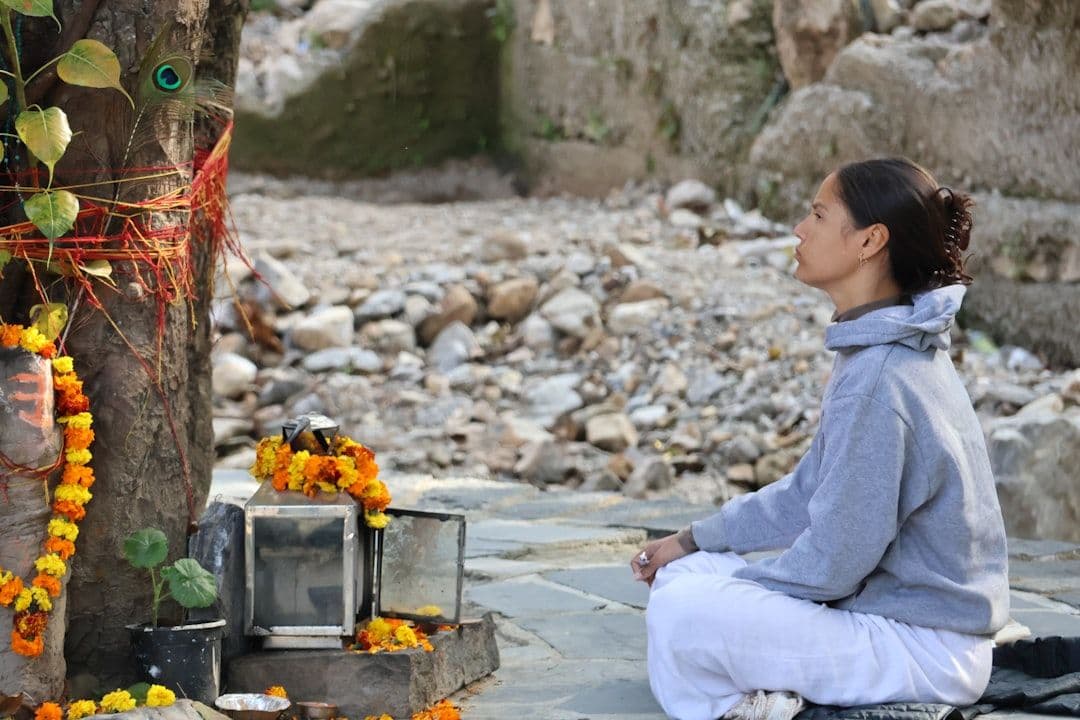
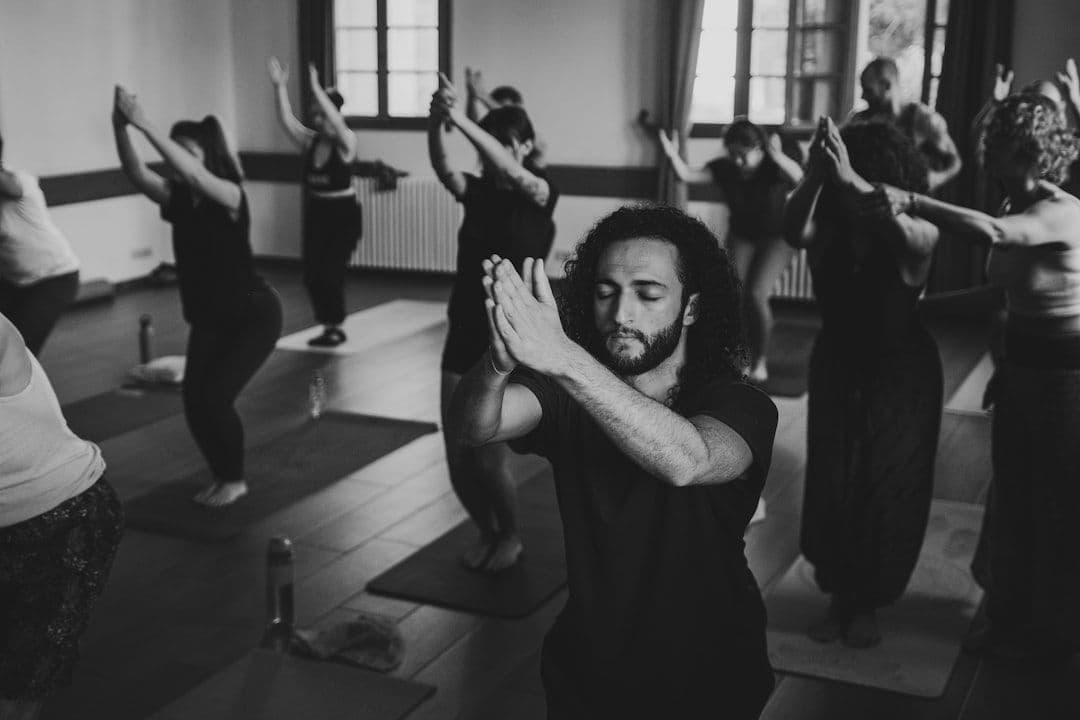
The main practice varies considerably between traditions and practitioners. You might experience guided meditation focusing on breath or mantra repetition. Some sessions include ritual elements — working with crystals, sacred geometry, or symbolic objects. Others incorporate movement, chanting, or periods of silence in nature if the session occurs outdoors.
Most sessions last 60-90 minutes, with the central practice occupying 30-60 minutes. Throughout, the practitioner may offer gentle guidance or simply hold space while you explore your own inner landscape. The atmosphere tends to be quiet and reverent, though not solemn.
Sessions typically conclude with grounding practices — perhaps sharing what you experienced or gentle movement to reconnect with your body and the present moment.
What You Might Experience
Experiences during sessions vary enormously. Some people report profound shifts in consciousness — sensing expanded awareness, feeling deeply connected to something larger than themselves, or experiencing what they interpret as divine presence. Others describe more subtle changes: increased calm, clarity about life direction, or simply feeling more centred.
Physical sensations can include tingling, warmth, or feeling unusually light or heavy. Some experience visual impressions, colours, or symbolic imagery. Emotional responses range from deep peace to temporary intensity as suppressed feelings surface. These are all considered normal within this practice framework.
After sessions, many people feel peaceful but somewhat altered. You might feel more sensitive to noise, light, or other people's emotions for several hours. Some experience enhanced intuition or unusual dreams for days following. Others notice little immediate change but report gradual shifts in perspective over subsequent weeks.
Not everyone experiences dramatic shifts. Some sessions feel quiet or unremarkable, and this doesn't indicate failure or lack of spiritual capacity.
Integrating Your Experience
Plan quiet time immediately after your session. Avoid rushing back to demanding activities, social commitments, or stressful environments if possible. Many practitioners recommend journaling while memories and impressions remain fresh.
Stay well hydrated and eat light, nourishing foods. Avoid alcohol for at least 24 hours, as your system may be more sensitive than usual. Gentle movement like walking in nature can help ground the experience.
Some people feel emotionally vulnerable for 24-48 hours following sessions. This is normal and usually passes as you integrate whatever arose. Contact your practitioner if you feel unsettled or need support processing intense experiences.
Results, when they occur, typically unfold gradually. While some people report immediate insights or shifts, most notice changes in their relationship to life, stress, or spiritual questions over days or weeks following sessions.
Building Your Practice
Individual sessions can provide meaningful experience, but most practitioners recommend a series to develop deeper familiarity with these states of consciousness. A common approach involves three to six sessions spaced one to two weeks apart, allowing time for integration between meetings.
Some people attend monthly sessions to maintain their practice, while others work intensively over shorter periods during particular life transitions. The rhythm depends on your personal spiritual development and what emerges through the work.
Between sessions, many practitioners suggest simple daily practices — perhaps five minutes of morning meditation or evening reflection — to maintain the thread of connection you're cultivating. Your practitioner can recommend approaches that align with your experience and spiritual orientation.
This practice is fundamentally about your own relationship with the sacred, however you understand it. The sessions provide structure and guidance, but the real work happens in how you carry these experiences into daily life.