Research Context
Researchers examine reflexology within complementary therapy research frameworks.
Research investigates reflexology in complementary therapy settings.

Photo by Markus Winkler on Unsplash
Quick answer
Scientific studies evaluate reflexology as a complementary relaxation therapy that has proven to increase mobility and cognitive abilities.
Researchers examine reflexology within complementary therapy research frameworks.
Studies examine reflexology in relation to relaxation, stress reduction, and complementary care contexts.
More high-quality research is needed to evaluate outcomes.
Written by
Gyfts Editorial Team
Editorial team at Gyfts researching holistic health modalities.
Reviewed by
Dr. Ava Gardner
Integrative Medicine Researcher
MB BCh BAO, MSc Integrative Medicine, MRCGP
Dr. Ava Gardner is a Dublin-based integrative medicine physician with over 15 years of clinical experience bridging conventional general practice and evidence-based complementary care. She holds a Masters in Integrative Medicine from the University of Arizona and has worked extensively in chronic pain management, women's hormonal health, and mind-body medicine. Dr. Gardner reviews health content for Gyfts to ensure clinical accuracy, balanced evidence presentation, and responsible safety guidance across modality and condition pages.
View full profile →These practitioners have chosen to be featured on Gyfts.
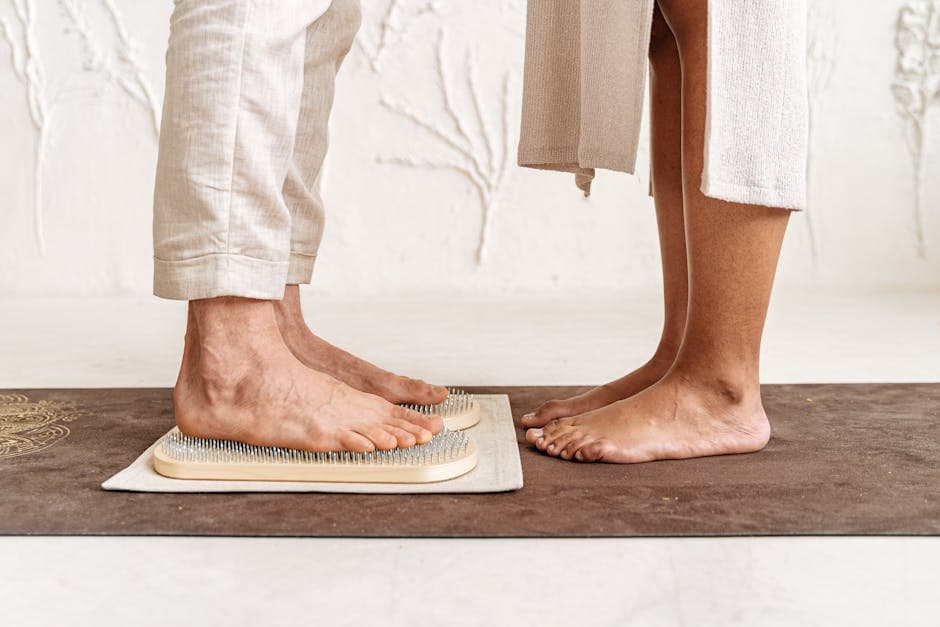
Sessions involve applying pressure to specific reflex points on the feet.
1 September 2025
Reflexology involves applying pressure to specific areas of the feet or hands.
16 August 2025
Highly rated practitioners specialising in this modality.




