What Is Reiki Plus?
Picture a traditional Reiki session, but with layers. Where conventional Reiki might focus solely on hand placement and the flow of universal life energy, Reiki Plus practitioners weave in additional elements—guided visualisation to clear energetic blockages, focused chakra work to balance specific energy centres, perhaps the gentle resonance of singing bowls or the carefully placed energy of crystals.
Developed as an enhancement to Mikao Usui's original Reiki system, Reiki Plus operates on the principle that healing can be deepened through multiple complementary approaches working in harmony. Rather than replacing traditional Reiki techniques, it builds upon them, creating what practitioners describe as a more comprehensive energetic experience.
The 'Plus' in Reiki Plus refers to these additional modalities that each practitioner brings to their work. Some might incorporate colour therapy and breathwork. Others might include aromatherapy or specific meditation techniques. This flexibility allows practitioners to tailor sessions to individual needs whilst maintaining the core foundation of channelling universal life force energy.
Origins and Development
Reiki Plus emerged in the late 20th century as practitioners began integrating their training in other healing modalities with traditional Reiki methods. Unlike classical Reiki, which follows specific lineages tracing back to Usui's teachings in early 1900s Japan, Reiki Plus represents a more eclectic approach that draws from various energy healing traditions.
This evolution reflects a broader movement within complementary healing practices, where practitioners sought to create more personalised therapeutic approaches. Many Reiki Plus practitioners hold certifications in multiple modalities—perhaps crystal healing, sound therapy, or chakra balancing—and naturally began combining these skills during energy healing sessions.
The practice has developed organically rather than through formal institutions, with individual practitioners often creating their own unique combinations of techniques. This has led to considerable variation in how Reiki Plus is practised, though the underlying philosophy of channelling universal energy whilst incorporating supportive healing methods remains consistent.
How Reiki Plus Works
Within the Reiki Plus framework, practitioners understand healing as occurring through the interaction of universal life force energy with the recipient's own energetic system. Traditional Reiki techniques—gentle hand placement on or near the body—form the foundation, with practitioners believing they channel energy through their hands to areas where it's most needed.
The additional elements serve specific purposes within this energy system. Chakra work might focus on balancing the seven main energy centres, whilst visualisation techniques could help both practitioner and recipient direct healing energy more precisely. Crystals might be placed on or around the body to amplify or focus energetic vibrations, and sound healing elements like tuning forks or bowls may help shift energetic frequencies.
Practitioners typically work intuitively, sensing where energy feels blocked or depleted and applying appropriate techniques. A session might begin with traditional hand positions, then incorporate guided breathing to help release tension, followed by specific chakra balancing work if the practitioner senses imbalance in particular energy centres.
The Session Experience
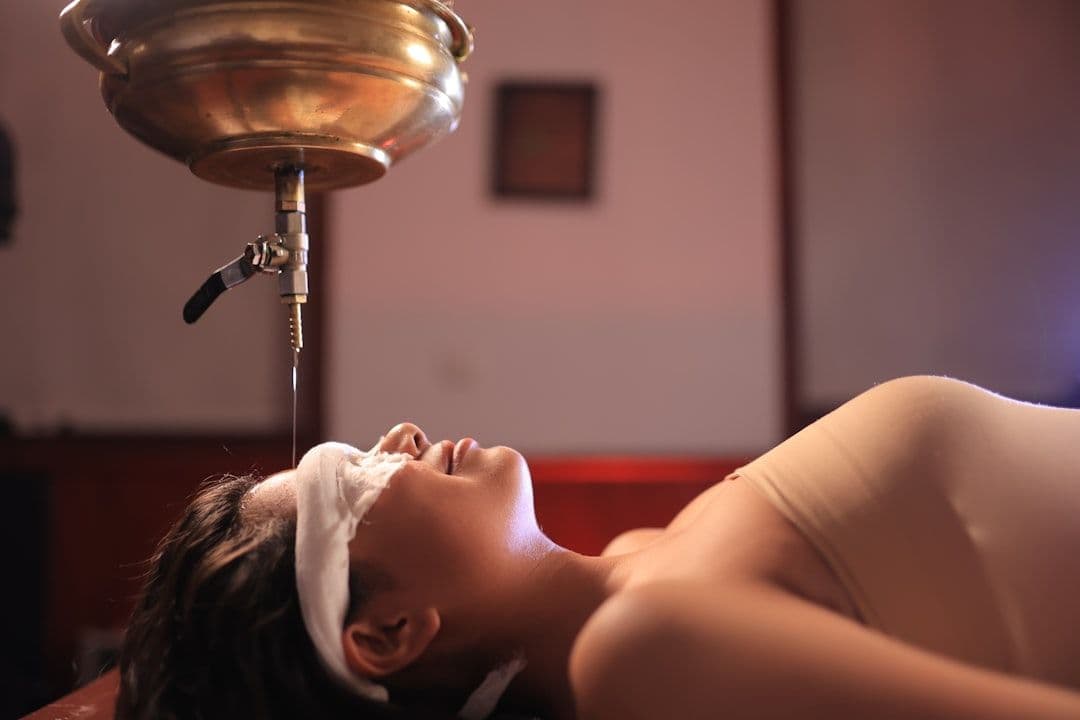
A typical Reiki Plus session unfolds in a calm, comfortable environment designed to promote relaxation. You'll usually lie fully clothed on a massage table, though some practitioners work with clients seated in chairs. The session often begins with a brief discussion about your current state—physical comfort, emotional wellbeing, or specific areas of concern.
The practitioner might start with traditional Reiki hand positions, moving systematically from head to feet, or they may work more intuitively, focusing on areas where they sense energy imbalance. As the session progresses, additional elements are woven in. You might experience the gentle placement of crystals on or around your body, hear the soft chiming of singing bowls, or be guided through visualisations designed to support the energetic work.
Sessions typically last 45 to 90 minutes, depending on the practitioner's approach and your specific needs. Many people report feeling deeply relaxed during treatment, sometimes experiencing warmth or tingling sensations where the practitioner's hands are positioned. The experience is generally passive—you simply rest and allow the work to unfold.
Finding a Qualified Practitioner
Reiki Plus practitioners typically hold certifications in traditional Reiki (often to Master level) plus additional qualifications in their supplementary modalities. Look for practitioners registered with the Complementary & Natural Healthcare Council (CNHC) or professional associations like the Reiki Council or UK Reiki Federation, which maintain standards for energy healing practices.
When researching practitioners, ask about their specific training background. A qualified Reiki Plus practitioner should be transparent about which additional modalities they incorporate and their level of training in each. Some might be certified crystal healers, qualified sound therapists, or trained in specific chakra balancing techniques.
Session costs typically range from £45 to £120, varying with location, practitioner experience, and session length. Initial consultations might be longer and cost more. Many practitioners offer package deals for multiple sessions, as energy work is often viewed as a gradual process rather than a single intervention. Always choose someone you feel comfortable with, as the therapeutic relationship is considered important within energy healing frameworks.