Preparing for Your Session
Wear comfortable, loose-fitting clothing — think yoga attire or soft cotton layers rather than restrictive jeans or fitted dresses. You'll remain fully clothed throughout, so choose fabrics that feel pleasant against your skin and allow easy movement.
Eat lightly beforehand rather than arriving hungry or overly full. A substantial meal might leave you uncomfortable lying down, whilst hunger can prove distracting during the session. Avoid alcohol for 24 hours beforehand, as practitioners report it can interfere with energy sensitivity.
You needn't bring anything beyond an open mind. Some practitioners provide eye pillows or light blankets, though you might wish to bring a favourite small cushion if you have specific comfort needs. Remove jewellery if it feels heavy or distracting — metal doesn't interfere with Reiki, but comfort matters most.
Arrive five to ten minutes early to settle in without feeling rushed. This allows time for a brief conversation about your intentions and any areas of particular stress or tension you'd like the practitioner to focus upon.
The Session Unfolds
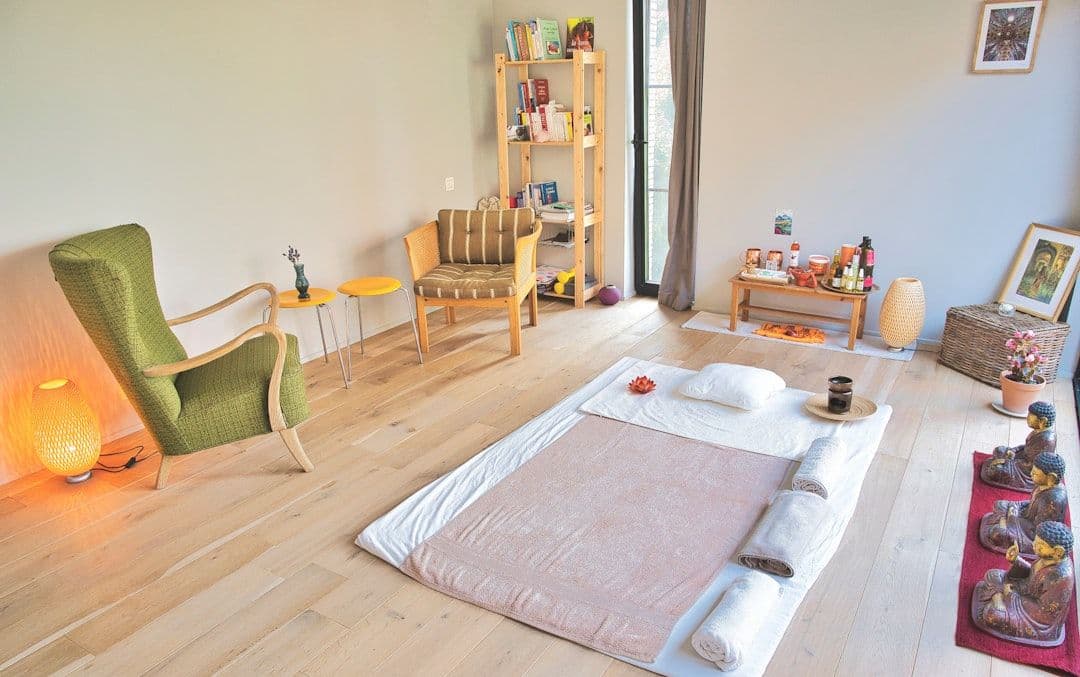
Your practitioner will invite you to lie on a comfortable treatment table, similar to those used for massage but without the need to undress. The room is typically dimmed with soft lighting — perhaps candles or salt lamps — and you might hear gentle instrumental music or nature sounds.
The session begins with a few minutes for you to settle and perhaps some guided breathing to help you relax. Your practitioner will then place their hands either directly on your body or a few inches above, starting usually at your head or shoulders. You'll feel the warmth of their hands and gentle, still pressure if they're touching.
Each hand position lasts approximately three to five minutes, moving systematically from your head down to your feet. Practitioners typically work through twelve to fifteen positions, covering your forehead, eyes, throat, heart, stomach, and limbs. The touch remains static — no massage-like manipulation, just peaceful presence.
The atmosphere encourages deep rest. Many people drift into a state between waking and sleeping, aware of the practitioner's presence but deeply relaxed. The session concludes with a few minutes of stillness, allowing you to gradually return to full awareness.
What You Might Experience
Experiences vary considerably, and there's no 'correct' way to respond to Reiki. Many people report immediate deep relaxation, similar to the drowsy feeling before sleep. You might notice warmth, coolness, or gentle tingling where the practitioner's hands rest, though some feel nothing physical during the session itself.
Emotional responses can surprise first-time recipients. Some people experience unexpected tears — not from distress, but from a sense of release or relief. Others report vivid mental imagery, forgotten memories surfacing gently, or simply a profound sense of peace.
Physical sensations might include muscle tension releasing, breathing naturally deepening, or occasional muscle twitches as your nervous system settles. Some people hear their stomach gurgling — a sign of parasympathetic activation that practitioners welcome as evidence of deep relaxation.
Afterwards, you might feel refreshed and energised, or deeply calm and slightly drowsy. Both responses are normal. Some people notice effects primarily in the hours or days following rather than during the session, reporting improved sleep, reduced anxiety, or a general sense of emotional balance.
Post-Session Care
Drink plenty of water in the hours following your session, as many practitioners suggest this supports the body's natural processes. Some people feel slightly lightheaded or emotionally sensitive immediately after, so avoid driving until you feel fully grounded.
Plan for quiet time if possible. Whilst many people return to normal activities immediately, others benefit from gentle transitions — perhaps a warm bath, light reading, or early sleep. Avoid alcohol and limit caffeine for the rest of the day, as some report increased sensitivity to stimulants.
Keep a simple note of how you feel over the following few days. Changes might be subtle — perhaps sleeping more soundly, feeling less reactive to stress, or noticing chronic tension has eased. Some people report temporary intensification of symptoms before improvement, though this isn't universal.
Contact your practitioner if you have questions about your experience. Reputable practitioners welcome follow-up conversations and can help interpret any unexpected responses within the context of energy healing principles.
Building a Course of Sessions
Most practitioners recommend three to four initial sessions, typically spaced a week apart, to gauge your response to Reiki. This allows patterns to emerge and gives both you and your practitioner insight into how your system responds to energy work.
Some people notice immediate effects whilst others find benefits accumulate gradually over several sessions. The restorative aspect often deepens with repeated experience, as your nervous system learns to access relaxed states more readily.
After the initial series, many people continue with monthly maintenance sessions or book appointments during particularly stressful periods. Others prefer intensive periods — perhaps weekly sessions for a month — when dealing with significant life changes or health challenges.
There's no prescribed course length. Some people have occasional sessions for general wellbeing, whilst others integrate regular Reiki into their broader stress management approach. Discuss your goals and response patterns with your practitioner to develop a rhythm that serves your individual needs and circumstances.