What Is Rolfing?
Rolfing, formally called Structural Integration, is a form of hands-on bodywork created in the 1950s by biochemist Ida P. Rolf. It focuses on the systematic release and reorganization of the body's connective tissue, or fascia, which surrounds and interpenetrates muscles, organs, and other structures. Unlike massage, which primarily relaxes muscle tissue, Rolfing practitioners use sustained, often firm pressure and guided movement to address restrictions and imbalances in the deeper layers of fascia. The underlying philosophy is that the body's structure profoundly influences its function; when fascia becomes restricted or misaligned due to injury, poor posture, repetitive strain, or emotional tension, it can contribute to pain, reduced mobility, and compensatory movement patterns. By systematically releasing these restrictions, Rolfing aims to help the body return to better alignment and ease of movement. A key aspect of Rolfing is its holistic approach: practitioners view the body as an integrated system and work across multiple areas in a structured sequence, often called the Ten Series, rather than treating isolated symptoms. Rolfing is used alongside conventional medical care and should never replace professional diagnosis or treatment.
How Does It Work?
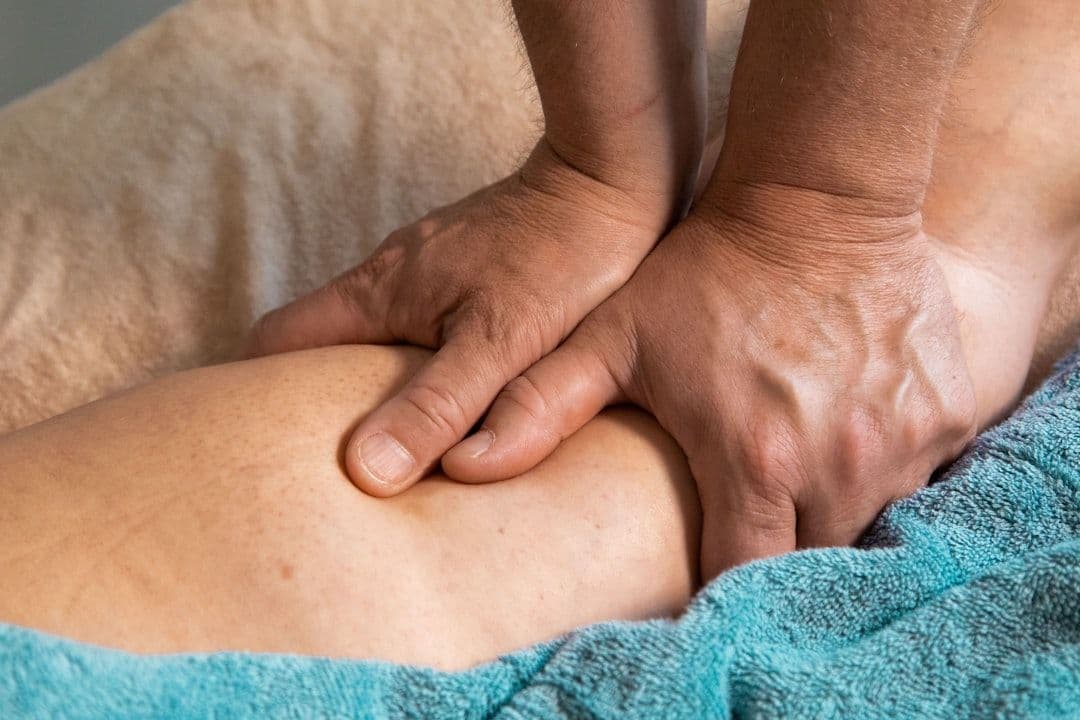
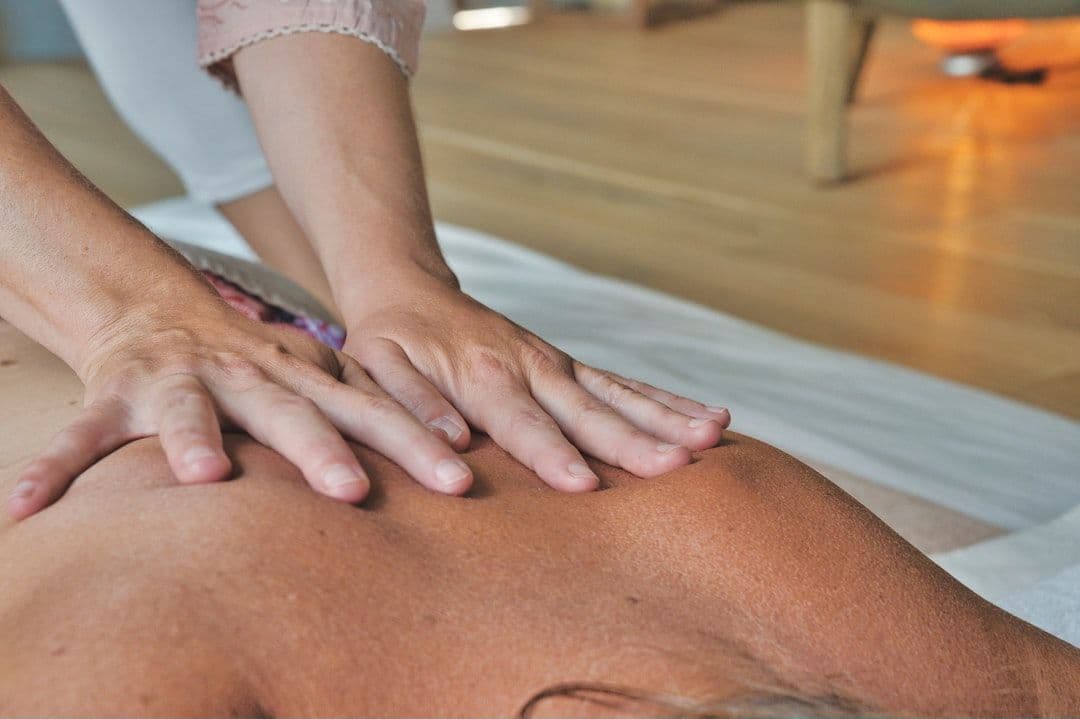
Rolfing works through sustained pressure and stretching applied to connective tissue to release restrictions, improve hydration and fluidity of the fascia, and help reorganize structural patterns. Fascia is a continuous network of tissue that can become dehydrated, sticky, or misaligned due to injury, chronic tension, or postural habits. When fascia is restricted, it can limit movement, compress nerves, and contribute to pain and stiffness. Rolfing practitioners use their hands, forearms, knuckles, and sometimes elbows to apply graduated pressure to specific layers of fascia, working from superficial layers toward deeper structures. This sustained pressure, combined with active or passive movement guided by the practitioner, aims to break up adhesions, restore tissue pliability, and help the nervous system recognize and maintain better movement patterns. The process is not just mechanical; Rolfing also engages the nervous system. As restrictions release, the body's proprioception (awareness of position and movement in space) can improve, allowing the central nervous system to reorganize postural and movement habits. This is why Rolfing often produces lasting changes: it is not just releasing tissue in the moment but helping the body learn new, more efficient patterns. Each session builds on the previous one, with practitioners following a systematic approach that addresses different regions and layers of the body in a coordinated sequence.
What Does a Session Involve?
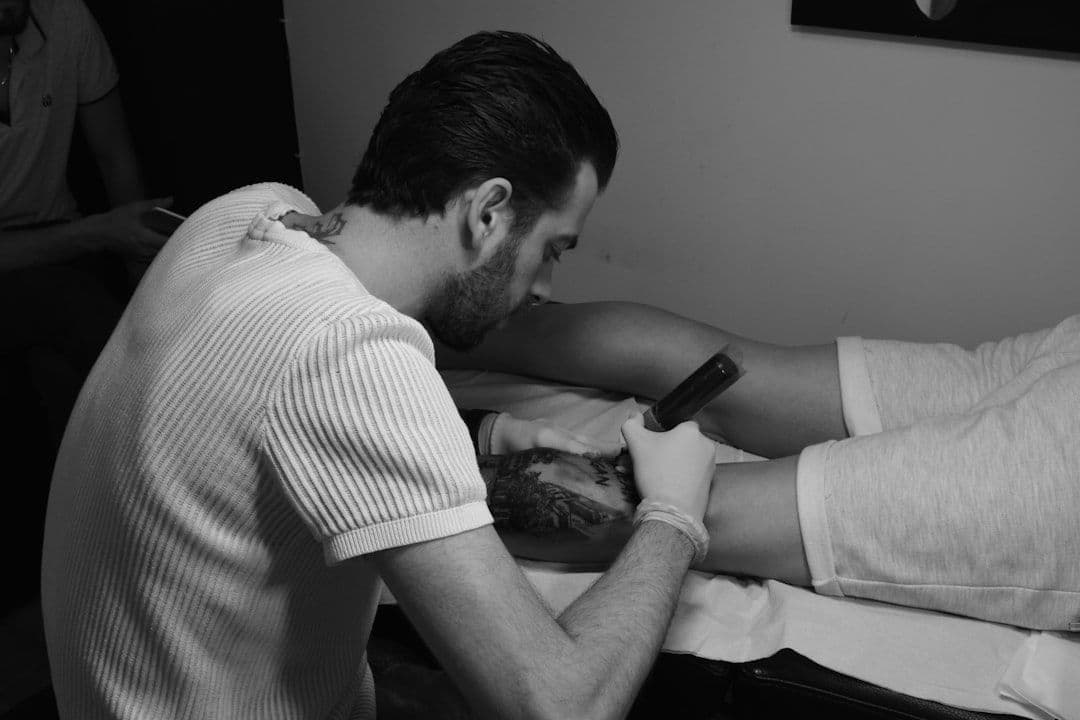
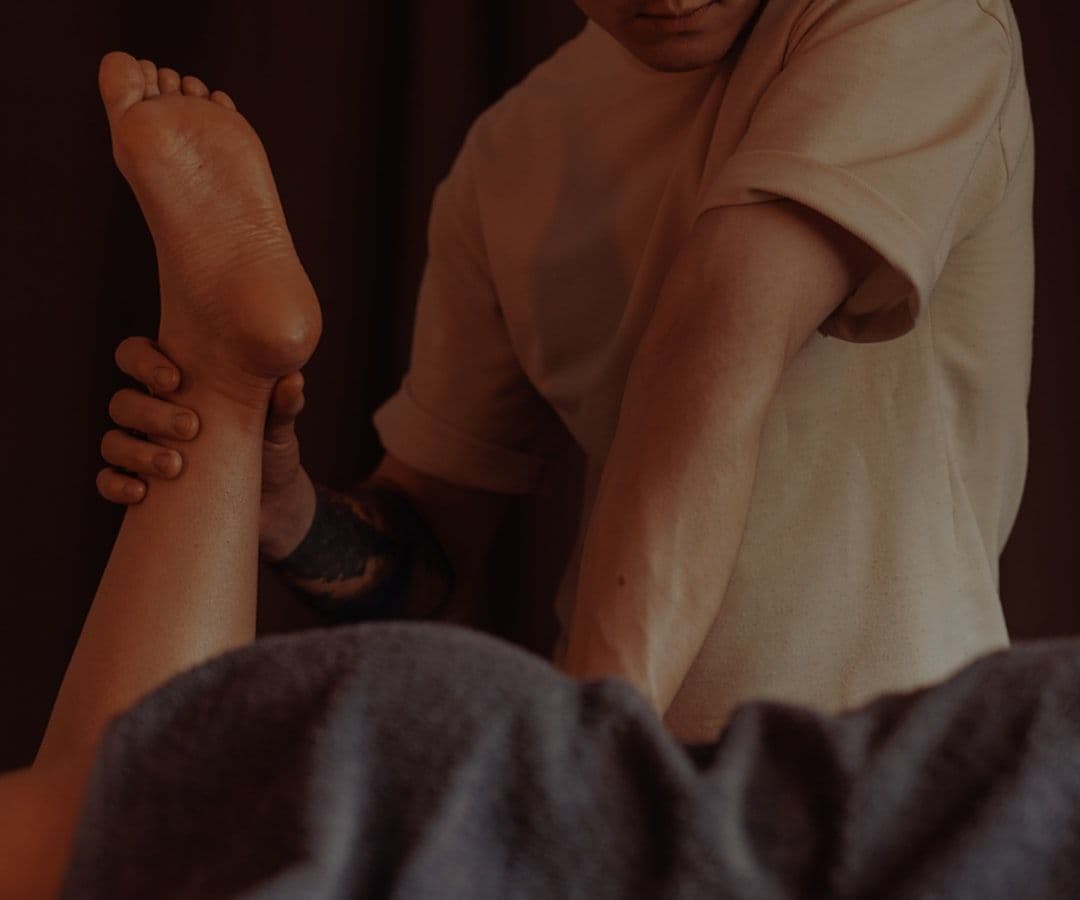
A typical Rolfing session lasts 60 to 90 minutes. You will be asked about your medical history, current symptoms, posture, and movement patterns. Your practitioner may observe your standing, walking, or movement to assess structural patterns and restrictions. You will then lie clothed or in minimal clothing on a padded treatment table. The practitioner begins with sustained pressure applied to specific areas, using hands, forearms, or fingers to gradually work into fascial layers. The pressure is usually firm and can feel intense, but your practitioner will work at a level you can tolerate; communication is essential, and you should always tell your practitioner if the pressure is too much. As the tissue begins to release, the practitioner may guide you through gentle movements, asking you to breathe, flex, or extend certain areas. This active participation helps integrate the release and retrain movement patterns. The practitioner works methodically across the body, not just treating symptomatic areas but addressing the overall structural pattern. After the session, you may feel more relaxed, taller, or mobile, though some people experience mild soreness similar to post-exercise soreness that typically resolves within 24 to 48 hours. It is common to feel emotional or emotional release during or after sessions; this is considered a normal response to releasing stored tension.
Who May Benefit?
Rolfing may benefit a wide range of people, though it is most commonly sought by those with chronic pain, postural imbalances, or movement restrictions. People with chronic lower back pain, neck stiffness, or shoulder tension often find Rolfing helpful, particularly when other approaches have provided limited relief. Athletes and performers sometimes use Rolfing to optimise movement quality, improve posture, and reduce compensatory strain patterns that can lead to injury. Those recovering from injury alongside conventional physical therapy may use Rolfing to support tissue healing and restore normal movement patterns. People with conditions like sciatica, plantar fasciitis, or cervicalgia (neck pain) may use Rolfing as part of a comprehensive care plan. Individuals interested in body awareness and movement quality, independent of pain, may also pursue Rolfing as a way to enhance their sense of ease and presence in their body. However, Rolfing is not suitable for everyone. Those with acute inflammation, active infection, severe osteoporosis, untreated fractures, or serious spinal conditions should consult a healthcare professional before considering Rolfing. Pregnant individuals can pursue Rolfing with modifications, but must inform their practitioner. Those with conditions such as fibromyalgia or scoliosis should discuss Rolfing with their doctor and work with an experienced practitioner familiar with these conditions. A qualified Rolfer will assess whether Rolfing is appropriate for your specific situation and may recommend modifications or coordinate with your other healthcare providers.
What Does the Evidence Say?
Research on Rolfing has grown over recent decades, with moderate evidence supporting its use for several common conditions. Studies on chronic lower back pain show that Rolfing may reduce pain perception, improve spinal alignment, and enhance functional movement when used as part of comprehensive care. Research on neck pain and cervicalgia demonstrates improvements in range of motion and muscular tension after a series of Rolfing sessions. Evidence for sciatica is moderate, with some studies suggesting that Rolfing may address structural imbalances and fascial restrictions contributing to nerve compression and pain. For plantar fasciitis, practitioners report improvements in heel pain and walking comfort, though large-scale clinical trials remain limited. Evidence for fibromyalgia and scoliosis is mixed; while some small studies suggest potential benefits for pain perception and postural alignment, larger rigorous trials are needed before firm conclusions can be drawn. Most existing research involves relatively small sample sizes and faces challenges common to bodywork research, such as difficulty creating true placebo controls. Additionally, much published research comes from sources affiliated with Rolfing organizations, which may introduce bias. Despite these limitations, the moderate evidence base, combined with decades of clinical practice and positive outcomes reported by practitioners and clients, suggests that Rolfing may support pain reduction and improved movement for many people when used alongside conventional care. However, it should always complement, never replace, medical diagnosis and treatment, especially for serious conditions.
Safety and Considerations
Rolfing is generally safe when performed by certified, trained practitioners, but it is not appropriate for everyone and does carry some considerations. The sustained, firm pressure used in Rolfing can be uncomfortable or even cause mild soreness lasting 24 to 48 hours, similar to post-exercise soreness. Some people may experience emotional release or temporary fatigue after sessions as the body processes and integrates changes. Rolfing should be avoided or approached with caution in several situations: avoid it if you have acute inflammation, active infection, severe osteoporosis, untreated fractures, or thrombotic conditions. Those with serious spinal pathology, such as severe disc herniation or instability, should consult their doctor before starting Rolfing. Pregnant individuals can pursue Rolfing with appropriate modifications, but must inform their practitioner of their pregnancy; some areas and techniques will need adjustment. Those with severe pain, systemic illness, or complex medical conditions should discuss Rolfing with their healthcare provider before beginning. Rolfing is never a replacement for medical diagnosis, medication, or essential medical treatment. Always inform your Rolfer of your full medical history, current medications, recent injuries, and any symptoms, so they can modify their approach appropriately. If you experience sharp, increasing pain, or if your symptoms worsen significantly after a session, contact your healthcare provider.
How to Find a Qualified Practitioner
Finding a certified, qualified Rolfing practitioner is essential to ensure you receive safe, effective care. The most reliable way is to use the official directory of the Rolf Institute of Structural Integration, the primary certifying body. Visit rolfing.org and search for certified practitioners in your area; Rolf Institute certification requires 650+ hours of training and ongoing continuing education, ensuring a high standard of knowledge and skill. Outside the USA, look for practitioners certified by equivalent professional bodies in your country; many countries have national Rolfing associations with their own directories. When evaluating a practitioner, verify their credentials directly through official channels, not just their website. Ask about their training, how long they have been practicing, and whether they have experience with your specific condition or goals. A reputable practitioner will be happy to discuss their qualifications and approach. Interview them or have a brief conversation before booking; good communication is important, as you will need to discuss comfort levels, expectations, and any medical concerns. Ask whether they coordinate with your other healthcare providers, especially if you are being treated for a serious condition. Be cautious of practitioners who make unrealistic claims, such as curing disease or replacing medical treatment. A qualified Rolfer will explain what Rolfing may support, acknowledge the evidence limitations, and recommend that you work alongside your doctor for any serious health condition. If cost is a concern, ask about payment plans or sliding scales; some practitioners offer reduced fees for those with financial constraints.