Before the Session: What to Expect
In the days leading up to a ceremony, you might notice a quiet anticipation building. There's often a sense of stepping toward something intentional, something set apart from the ordinary. If the ceremony is for a specific purpose—honoring a loss, marking a transition, or seeking renewal—you may feel both nervous and hopeful. Some people describe a mixture of emotions: relief that there will be a dedicated space to feel what they've been holding, and perhaps some uncertainty about what will unfold.
Before the ceremony itself, the facilitator typically shares information about timing, location, and what to expect. This clarity is grounding. You might learn that the ceremony will last two hours, that it will be held outdoors or in a quiet room, and that participation is voluntary. Some ceremonies invite you to bring something symbolic—a written word, a photo, a stone—though this is never required. The invitation to prepare, even minimally, creates a sense of agency. You are not passively receiving something; you are consciously choosing to show up and be part of something larger. This shift in mindset, from passive to active, often begins the healing work before you even arrive.
Arriving and Setting the Scene
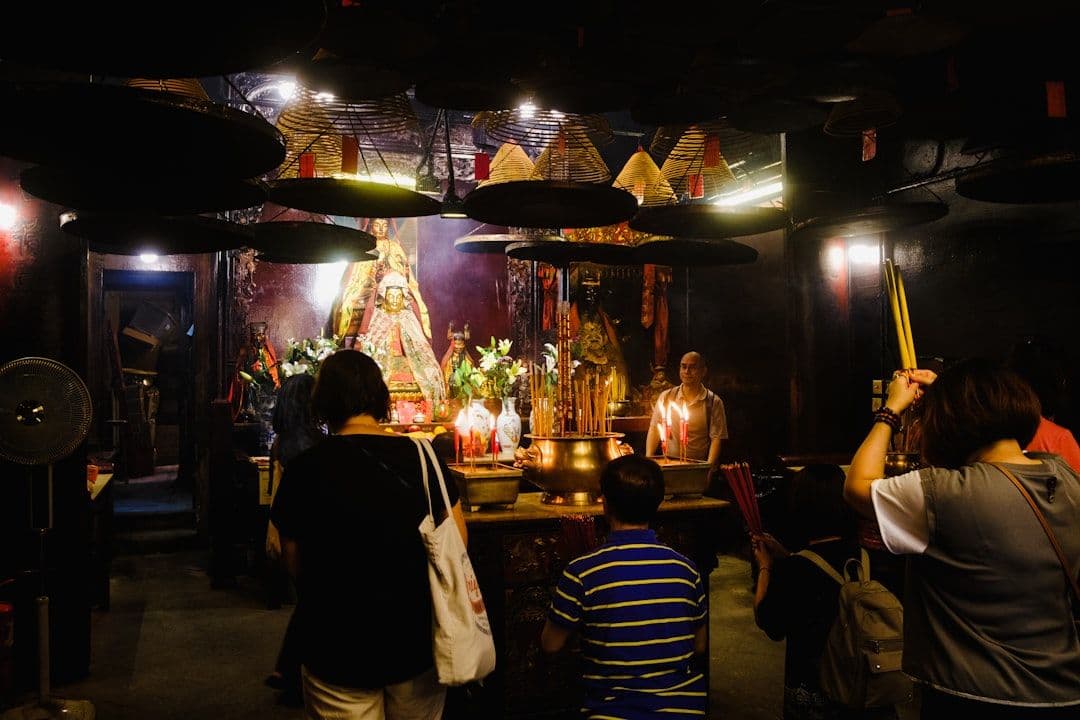
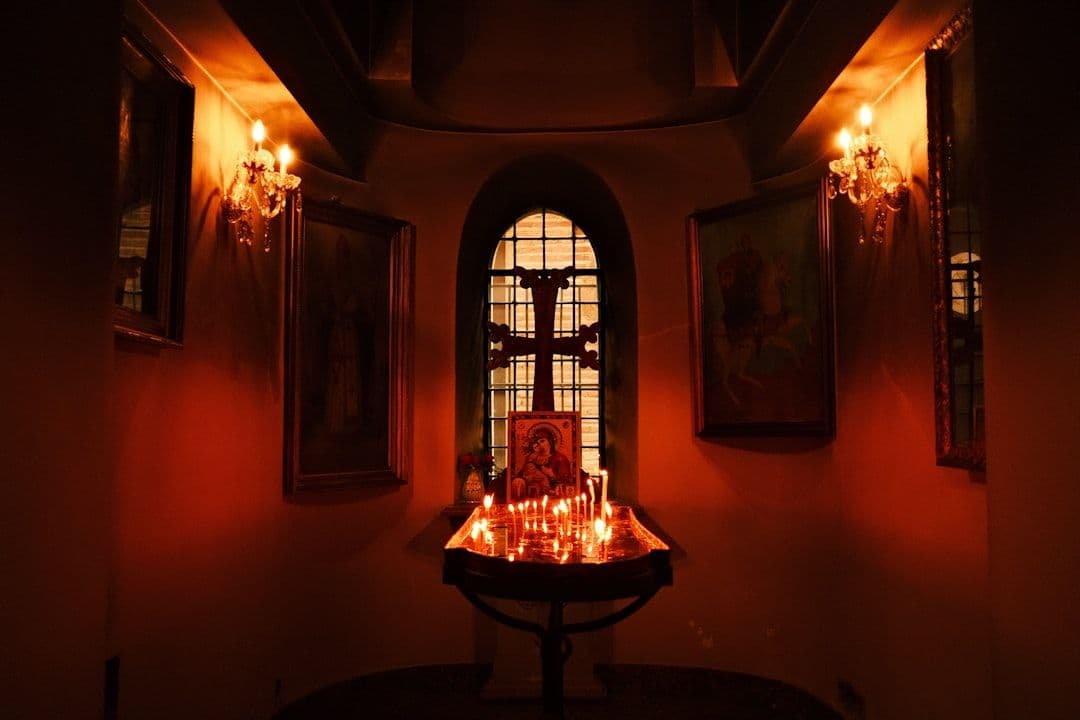
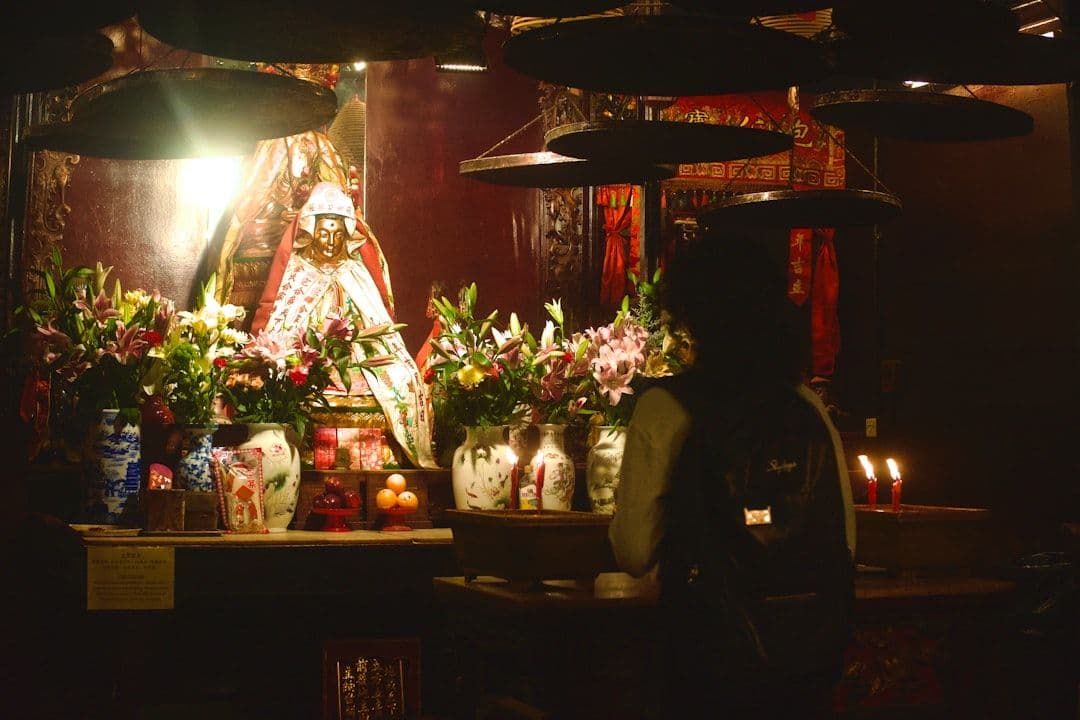
As you arrive, you immediately sense that care has been taken. The space has been prepared: perhaps there are candles, flowers, or natural elements arranged thoughtfully. The air feels different—quieter, more intentional. The facilitator greets you warmly, often with genuine attention to how you are feeling. This small gesture matters enormously. You are being seen and welcomed.
You might sit in a circle with others who have come for similar reasons—grief, transition, seeking renewal. The circle itself is significant: there is no head, no hierarchy. Everyone's gaze can meet everyone else's. If you are shy or feeling vulnerable, you can sit where you feel most comfortable; the circle holds space for all of you. Some facilitators begin by acknowledging the courage it takes to gather, to be present with emotion, to allow yourself to be witnessed. This framing—honoring your presence—is deeply reassuring. You are not here to perform or to be fixed. You are here to be held, to feel, and to participate in something ancient and meaningful. The facilitator may offer a few opening words, a prayer, or an invocation that sets the tone: sacred, safe, shared. By the time the ceremony fully begins, something has already shifted. You are no longer entirely alone with your experience.
During the Session
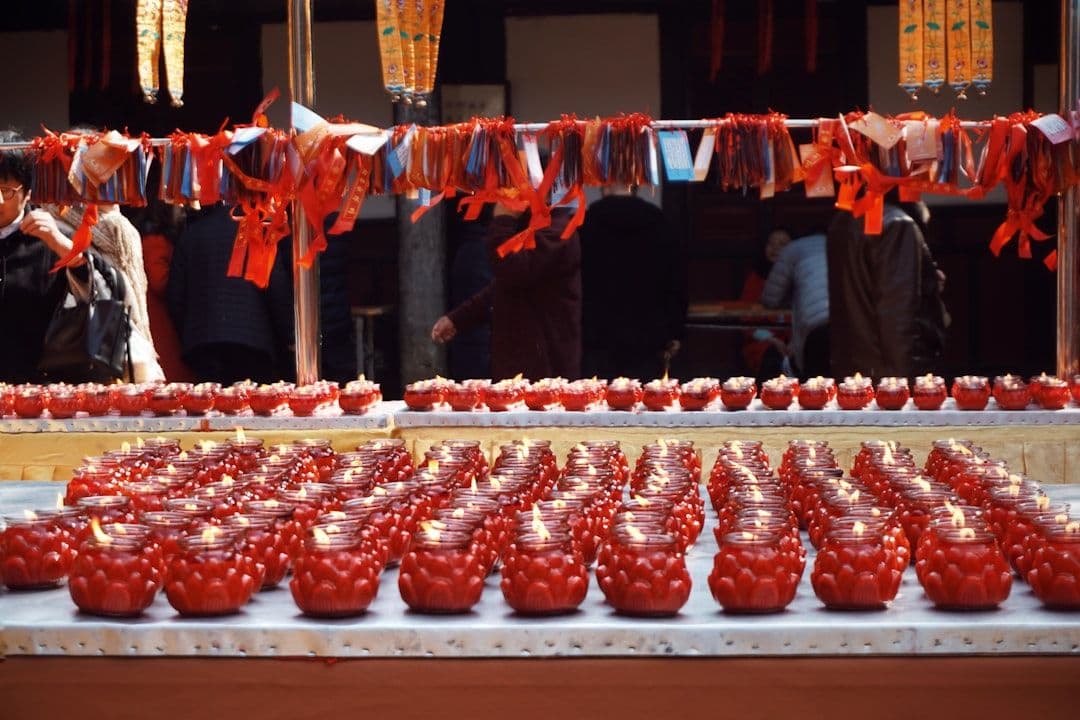
The ceremony unfolds with a rhythm. There may be periods of spoken word—stories, poems, or prayers—followed by silence. You might be invited to speak your own words, to light a candle in memory or intention, or to place an object on an altar. There is often music: instrumental, singing, or the sound of wind or water if the ceremony is outdoors. Movement is sometimes part of it too—gentle swaying, walking, or ritual gestures that feel larger than everyday life.
What you notice, as the ceremony deepens, is a profound shift in your nervous system. Your breathing may slow. Your shoulders, which may have been held high, begin to relax. If you have been holding tears, they may come, and often there is immediate relief in that release. The collective presence—the fact that others are grieving, reflecting, or celebrating alongside you—creates something palpable. You are not the only one feeling this. Your experience is validated simply by being held in this sacred space.
Moments of profound quiet are interspersed with moments of connection or shared emotion. If someone speaks their loss aloud, you might hear yourself in their words. If the group sings or moves together, you feel the resonance of collective intention. Time seems to move differently. An hour might feel like minutes, or minutes might feel expansive. This is the territory of ritual: it operates in a different register than ordinary time, giving you permission to be with your full self—your grief, your joy, your confusion, your longing—without needing to manage or minimize any of it.
For many, this is the first time in a long while that they have allowed themselves to fully feel. The ceremony holds space for that. You are supported by the facilitator, by the other participants, and by the intentional design of the ritual itself. Nothing is rushed. There is time.
How You May Feel Afterwards
When the ceremony closes—often with a final invocation, a moment of gratitude, or a gentle return to ordinary awareness—you may feel a profound sense of calm. Some describe it as lightness, as though they have set down something they have been carrying. Others feel a deep tiredness, as if their nervous system has finally been given permission to rest. Both responses are common and valid.
In the hours and days following, you might notice changes that feel subtle but significant. Sleep may come more easily, or your sleep quality may deepen. Anxiety that has been a constant hum might soften. You might find yourself more able to be present with others, less caught in your own overwhelm. Some people report a renewed sense of purpose or connection to what matters most to them—a reconnection to values or meaning that had felt distant.
It is not uncommon to feel emotional again in the days after, as integration occurs. You are processing what was experienced and allowed in the ceremony. This is part of the work. Many facilitators encourage participants to practice gentle self-care afterward—time in nature, journaling, or conversation with a trusted person—to honor what has been stirred and held.
Perhaps most importantly, many people report a profound shift in their sense of not being alone. The ceremony has reminded them that their experience—their grief, their fear, their hope—is part of the human condition. They have been witnessed. They have witnessed others. In that mutual recognition, something essential has been restored: a sense of belonging, of mattering, of being held by something larger than themselves.
Is It Right for You?
Sacred ceremonies are deeply personal, and what draws one person may not resonate for another. If you are navigating grief, loss, or a significant life transition, a ceremony may offer a valuable container for your experience. If you have been feeling disconnected, burned out, or isolated, the communal and intentional nature of ceremony can restore a sense of purpose and belonging. If you are drawn to spiritual practice, to ritual, or to exploring meaning, a ceremony may be a meaningful expression of that seeking.
If you are currently experiencing severe trauma, active mental health crisis, or dissociative symptoms, it is important to consult with a qualified mental health professional before participating in group ceremonies. A therapist or doctor can help you determine whether ceremony is appropriate for you right now, and can coordinate care if you do choose to participate.
It is also worth noting that ceremonies are not a substitute for professional mental health care or medical treatment. If you are experiencing depression, anxiety, sleep disturbances, or other concerning symptoms, please reach out to a healthcare provider. Ceremonies work best as part of a holistic approach to well-being, alongside therapy, medical care, and other supportive practices.
Ultimately, the question is whether you feel called. Does the idea of gathering in intentional space, of being witnessed, of honoring what you are experiencing, feel like something your heart needs right now? If so, you have already begun. The willingness to show up, to be present, to allow yourself to feel and be held—that is the real ceremony. The ritual simply gives structure and community to something you are already doing.