Preparing for Your Session
Arrive wearing comfortable, loose-fitting clothes in natural fabrics if possible. You'll remain fully dressed throughout the session, so choose layers you can easily adjust if you become warm or cool. Remove any heavy jewellery, but wedding rings and simple pieces are fine.
Eat lightly beforehand - avoid heavy meals within two hours, but don't arrive hungry either. Stay well-hydrated in the days leading up to your appointment. Some practitioners suggest avoiding alcohol and caffeine for 24 hours prior, though this isn't essential.
Bring nothing more than yourself and an open mind. Your practitioner will provide everything needed, including any bolsters or blankets for comfort. If you take regular medications, continue as normal unless specifically advised otherwise by your healthcare provider.
The Session Experience
Your practitioner begins with a brief consultation, discussing what brings you to Saku Reiki and any specific concerns. This typically lasts 10-15 minutes and helps them tailor the session to your needs.
You then lie fully clothed on a comfortable treatment table, similar to a massage table but often warmer to touch. The room is usually dimly lit with gentle background music or sometimes complete silence. Your practitioner may light incense or use essential oils, though many work without additional aromatics.
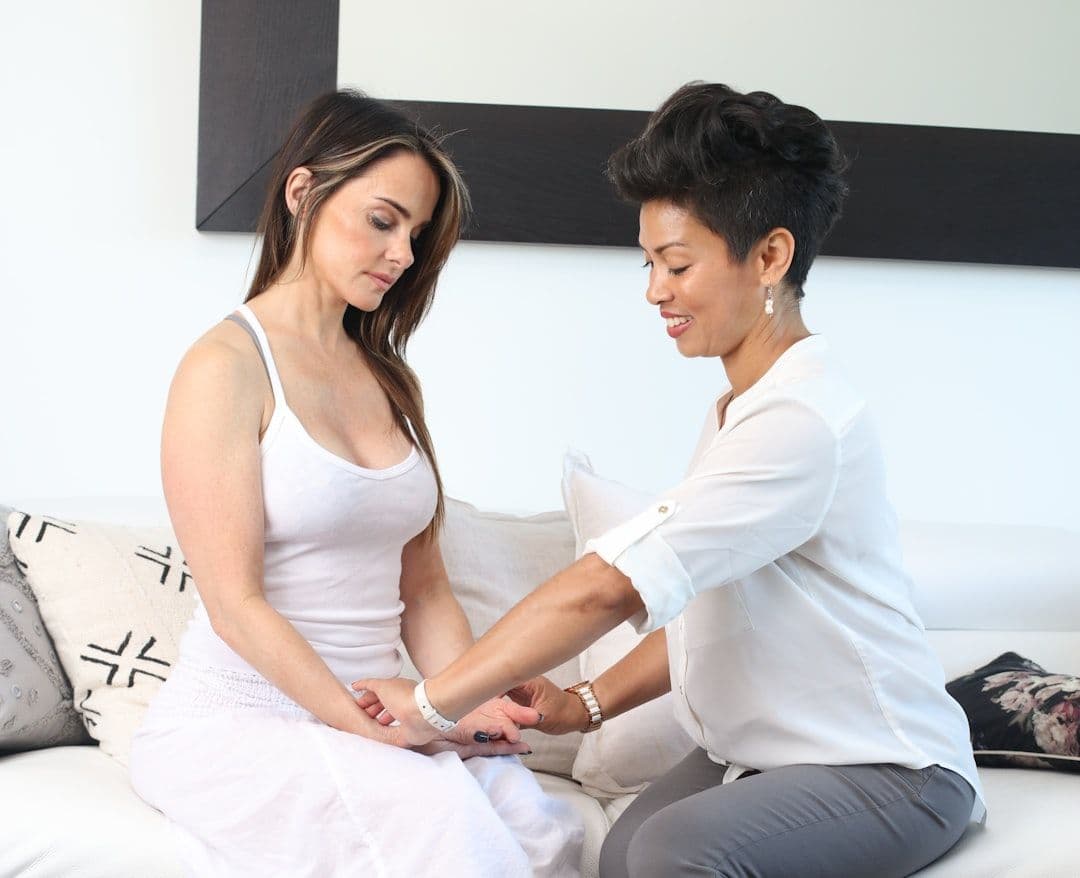
The hands-on portion lasts 45-60 minutes. Your practitioner places their hands gently on or just above various parts of your body, beginning often at your head and working systematically down to your feet. Each hand position is held for several minutes - you might notice their hands becoming noticeably warm. Some practitioners incorporate traditional Reiki symbols, though you may not see these being drawn.
Unlike massage, there's no manipulation or pressure. The touch is light and static, more like someone resting their hands on you while concentrating deeply. Many people find this surprisingly soothing.
What You Might Feel
Experiences during Saku Reiki vary dramatically between individuals and even between sessions for the same person. Many report feeling deep relaxation spreading through their body, sometimes accompanied by a pleasant heaviness or the sensation of sinking into the table.
Physical sensations can include warmth, coolness, tingling, or gentle pulsing where the practitioner's hands rest. Some people feel energy movement - described as flowing sensations or subtle vibrations through different parts of their body. Others feel nothing physical at all beyond the practitioner's warm hands.
Emotional responses range from profound peace to unexpected tears or laughter. Old memories occasionally surface, or you might experience vivid imagery behind closed eyelids. Don't be surprised if you fall asleep entirely - practitioners consider this a positive response, not a lack of engagement.
After the session, most people report feeling relaxed and refreshed, though some initially feel emotional or slightly disoriented. This typically settles within an hour or two.
Caring for Yourself Afterwards
Drink plenty of water following your session - many practitioners emphasise this, believing it supports the body's natural processes. Avoid alcohol for the remainder of the day if possible, and eat nourishing, easily digestible foods.
Plan for a gentle evening if your session is during the day. Many people feel more tired than expected, while others experience increased energy. Both responses are normal. Some practitioners suggest keeping a journal for a few days to note any shifts in sleep, mood, or physical sensations.
Avoid making major decisions or engaging in stressful activities for several hours if possible. Think of this as integration time - your system is processing whatever occurred during the session.
Effects may continue developing over the following 24-48 hours. Some people notice improved sleep quality, reduced tension, or clearer thinking during this period. Others feel no obvious changes but report that friends or family notice them seeming more relaxed.
Planning Your Treatment Course
Most practitioners recommend beginning with three to four sessions scheduled weekly or fortnightly. This establishes a foundation and allows you to gauge how your body responds to the work. Each session builds upon the previous one within traditional Saku Reiki understanding.
After this initial series, many people transition to monthly maintenance sessions or return as needed during stressful periods. Some prefer longer gaps between treatments, while others benefit from more frequent sessions during times of particular challenge.
Discuss your goals with your practitioner early on. Someone seeking stress relief might need fewer sessions than someone working through grief or major life transitions. Be honest about what you notice changing - or not changing - as this guides the approach.
Remember that Saku Reiki works within a cumulative framework. While single sessions can be deeply relaxing, the traditional understanding suggests that regular treatments over time create more sustainable shifts in overall wellbeing.