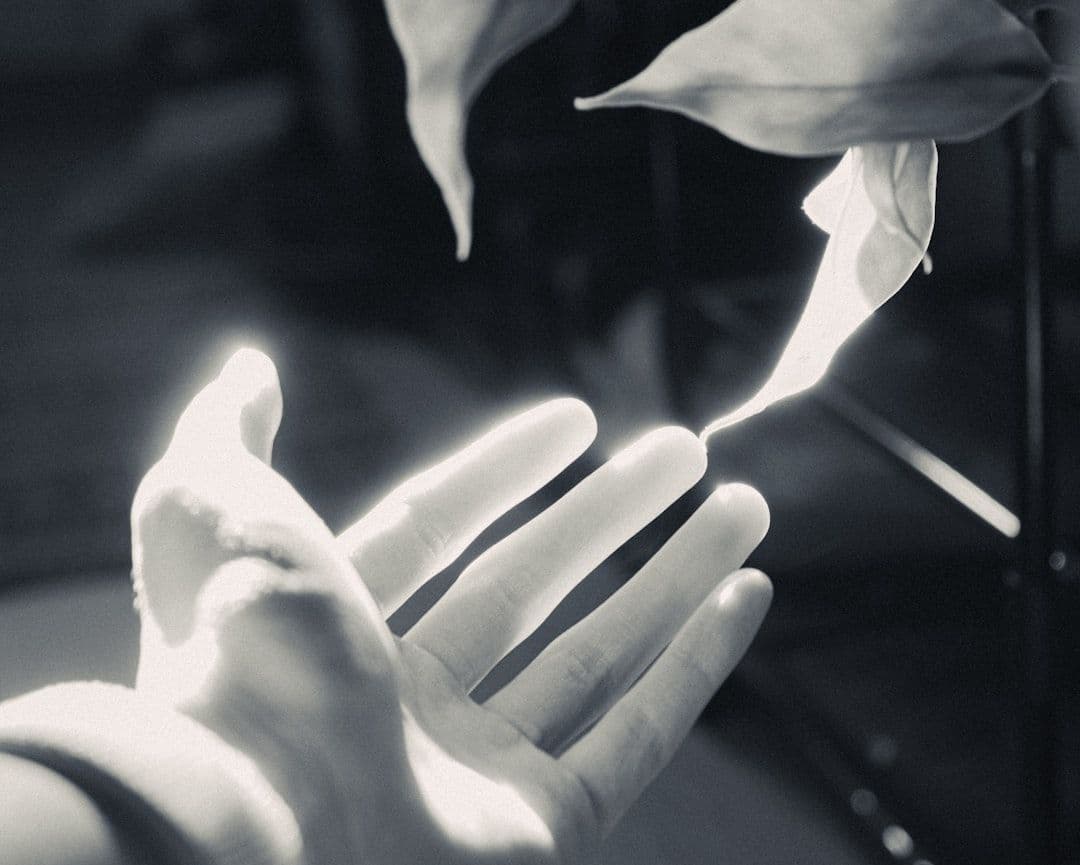
Before the Session: What to Expect
In the days leading up to your first Seichim session, you might notice a quiet anticipation. Perhaps you are carrying anxiety, fatigue, or a heaviness you cannot quite name. Maybe you have tried other modalities or are simply curious about what energy work feels like. Whatever brings you, it is worth acknowledging that seeking support—in any form—is an act of self-care.
Before your appointment, the practitioner will likely ask you questions about your overall wellbeing, what you hope to experience, and any physical or emotional concerns. There are no right answers. Some people come with specific intentions: to feel calmer, to sleep better, to process grief, or to find grounding during a life transition. Others arrive with simple openness, unsure what to expect and willing to be surprised.
Practically speaking, wear comfortable clothes you can relax in. Avoid heavy meals just before the session. Many practitioners suggest staying hydrated and perhaps setting an intention—something as simple as 'I am open to what I need right now.' This is not required, but it can help you arrive mentally present rather than distracted. Remember that Seichim is complementary; if you are managing a diagnosed condition or taking medication, continue doing so and inform your practitioner of any significant health concerns.
Arriving and Setting the Scene
You step into the treatment space, and immediately there is a shift. The room is calm—soft lighting, perhaps gentle music or silence, temperature comfortable. A skilled practitioner has created an environment where you can let your guard down. There may be candles, plants, or simple furnishings that feel nurturing without being cluttered.
The practitioner greets you warmly and asks how you are feeling in this moment. They listen without rushing. They might ask if you have any areas of physical tension, emotional weight, or places in your body you are drawn to or avoiding. This conversation is not clinical; it is human. They are learning not just what ails you, but what you need.
They will explain what to expect during the session, ask about your comfort with touch or hands-off work, and confirm any boundaries. You might be invited to lie fully clothed on a massage table or to sit in a comfortable chair. Some sessions are done with the practitioner's hands resting gently on your shoulders, head, or torso. Others are performed with hands held a few inches above your body. You remain clothed and in control. If at any point something feels uncomfortable, you can speak up.
Before beginning, the practitioner may take a moment of centering—perhaps a breath, a brief pause, or a quiet intention. This signals that the session space is now sacred, focused, and held just for you.
During the Session
The session begins, and one of the first things you may notice is permission to let go. There is nothing to do, no performance required, no conversation expected. You are simply invited to receive.
As the practitioner begins working with the energy around and through your body, many people experience a deepening of breath. Your shoulders, which may have been held near your ears, soften. Your jaw unclenches. Some describe a gentle warmth or tingling, others a coolness or a sense of movement they cannot quite explain. These sensations are personal and variable; there is no 'right' way to feel.
Time often becomes elastic during a Seichim session. Minutes feel like hours, or an hour passes in what seems like ten minutes. Your mind may become quiet, or you might find yourself thinking about things you have been avoiding. Some people cry—not from distress, but from release. Others feel waves of calm or periods of stillness so profound they border on sleep.
Throughout, the practitioner is attuned to your subtle responses. They may move their hands to different areas, pause, or adjust the pressure and proximity based on what they sense you need. If you are dealing with anxiety, they may focus on grounding work. For grief, they might offer gentle, lingering presence. For exhaustion, they may emphasize replenishment and restoration of energy.
Your role is simply to breathe, to relax, and to allow yourself to be supported. You might notice that areas of tension you forgot about begin to release. Emotions you have been holding may rise to the surface—and that is okay. The session space is designed to hold whatever emerges without judgment.
How You May Feel Afterwards
As the session draws to a close, the practitioner will gently signal the transition, perhaps with a change in touch or a soft verbal cue. You are invited back to the room, back to your body, in your own time. There is no rush.
When you sit up or stand, you may feel spacious—as though your inner landscape has been cleared slightly. Some people describe a lightness or a quiet clarity. Others feel deeply relaxed, as if they could sleep for hours. A few experience a temporary emotional release: tears, trembling, or a sense of catharsis. All of these are valid.
In the hours and days following a session, you may notice subtle shifts. Sleep may come more easily. Anxious thoughts may feel less urgent. Situations that usually trigger overwhelm may feel more manageable. You might have unexpected insights or feel drawn to changes—in how you spend your time, in conversations you need to have, in self-care practices. Some people experience what is called a 'healing response': a temporary amplification of symptoms as the body processes and releases held tension. This usually passes within hours or a couple of days.
The practitioner will likely suggest you rest, drink plenty of water, and avoid major decisions or stressful activities for at least a few hours. They may recommend ongoing sessions—perhaps weekly or monthly—depending on what you are navigating. Many people find that regular Seichim creates a foundation of calm and resilience that supports them through daily life.
Remember that Seichim is complementary. If you are managing anxiety, depression, trauma, or other health conditions, it is used alongside—never instead of—professional medical and mental health care. The benefits you experience are personal and subjective, grounded in traditional understanding rather than clinical proof.
Is It Right for You?
Seichim may resonate with you if you are drawn to metaphysical or energy-based healing, if you value a gentle and non-invasive approach, or if conventional modalities alone have not addressed the fullness of what you are experiencing. It is particularly suited for people navigating anxiety, stress, emotional heaviness, or life transitions who are seeking complementary support.
It is not a replacement for professional mental health care, medical diagnosis, or treatment. If you are in acute crisis, experiencing suicidal thoughts, or managing severe mental illness, please reach out to a qualified healthcare provider, therapist, or crisis line immediately. Seichim can be part of a holistic wellness approach, but never the only intervention for serious conditions.
Ultimately, whether Seichim is right for you depends on your openness to energy work, your trust in the practitioner, and your willingness to be patient with yourself as you notice what unfolds. The modality works best when approached with curiosity rather than skepticism, and with the understanding that you are supported but not 'fixed' by a single session.
Consider finding a practitioner whose approach and energy resonate with you. Read reviews, ask questions, and trust your intuition. A good practitioner will welcome your questions, respect your boundaries, and frame Seichim as a complementary practice that enhances—but does not replace—conventional care. Your wellbeing is the priority, and the right modality is one that supports your whole self: body, heart, mind, and spirit.