Before the Session: What to Expect
Before you arrive for your first shiatsu session, it is natural to feel a mix of curiosity and mild nervousness. You might wonder what the experience will be like, whether it will hurt, and whether you need to do anything special to prepare. The good news is that shiatsu is an accessible, non-invasive practice that requires minimal preparation.
Typically, your practitioner will ask you to arrive 10-15 minutes early to complete a brief health intake form. This covers your medical history, current health concerns, medications, injuries, and areas where you hold tension. Be honest about anything—recent surgeries, chronic conditions, pregnancy, or emotional stress. Your practitioner uses this information to tailor the session to your specific needs and ensure safety.
Wear loose, comfortable clothing such as jogging trousers and a t-shirt. You will remain fully clothed throughout a shiatsu session, lying on a padded mat on the floor or a low massage table. There is no need for oils or lotions unless your practitioner specifically uses them. Remove your shoes and any heavy jewellery. Take a moment to use the bathroom and have a light drink of water if needed.
Arrive with an open mind but without high expectations. Shiatsu works gradually; the first session is as much about getting to know your body and your practitioner as it is about achieving measurable change. Think of it as the beginning of a conversation between you and a skilled practitioner about what your body needs.
Arriving and Setting the Scene
As you step into the treatment space, you immediately notice the atmosphere. Most shiatsu practitioners create a calm, quiet environment—perhaps soft lighting, gentle background music, and a peaceful temperature. There may be the subtle scent of incense or plants. This sensory welcome begins to shift your nervous system from busy mode to rest mode.
Your practitioner greets you warmly and invites you to sit or lie down. They may take a few minutes to talk through what they learned from your intake form and ask clarifying questions: Are you experiencing pain anywhere right now? What brought you here today? What are you hoping to feel after the session? This conversation is grounding. You feel heard, not rushed.
You are then invited to lie on your back on the padded mat, with a small pillow under your head and perhaps a bolster under your knees for comfort. A blanket or light covering may be offered—this simple act of being covered creates immediate safety and warmth. Your practitioner might dim the lights a bit more and suggest you take a few deep breaths. You are encouraged to let them know if you need anything adjusted before they begin.
As you settle into stillness, your body begins to relax. The mat beneath you feels supportive. The quiet is restorative. Your mind may still be busy at first, but within moments of the first gentle touch, something shifts. You have moved from the outside world into a contained, caring space where the only job is to rest and receive.
During the Session
The session typically lasts 60 minutes, though some practitioners offer 45-minute or 90-minute options. It usually begins with your practitioner assessing your body through gentle palpation and observation—they may feel your abdomen, check your pulse, or notice your breathing patterns. This is part of the diagnostic phase in shiatsu tradition.
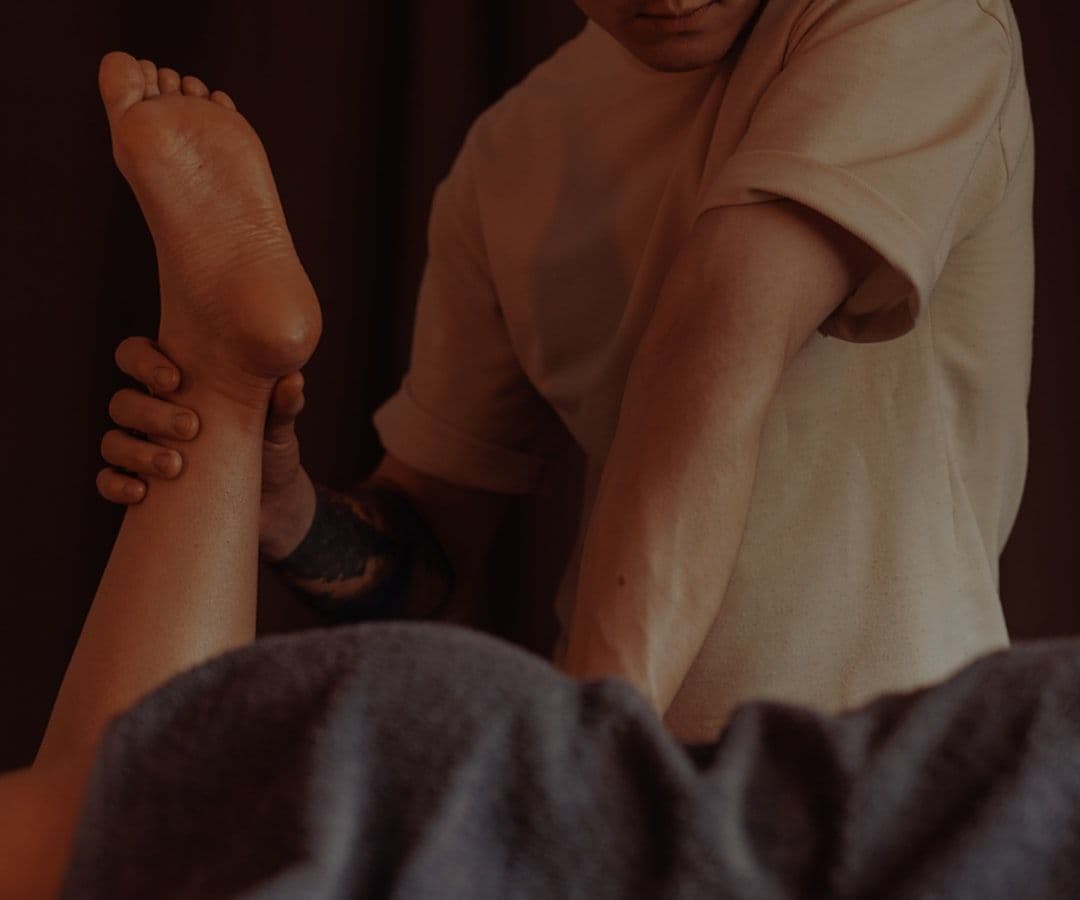
Then the work begins, often starting with your feet or lower legs. You feel sustained, rhythmic pressure applied through your practitioner's fingers, thumbs, palms, and occasionally elbows. The pressure is not sharp or jabbing—it is slow, deliberate, and gradually deepens as your muscles relax. As they work along meridian pathways (energy lines in the body), you may notice areas where the touch feels especially tender or where you have been holding tension without realizing it.
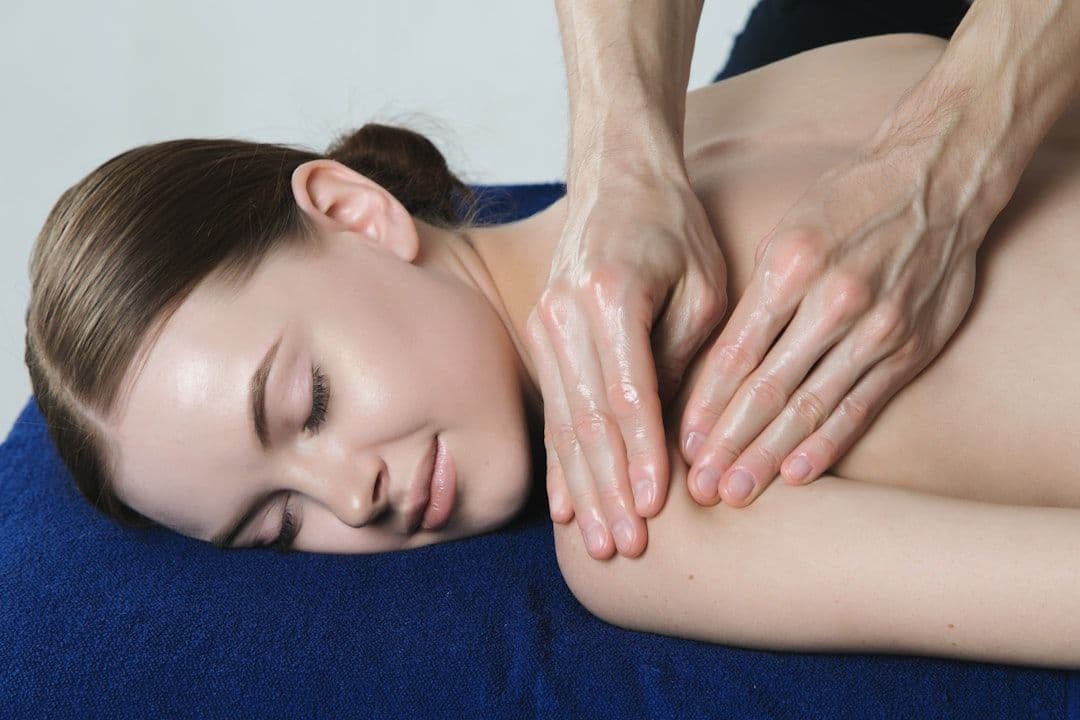
Your practitioner works systematically through your body—legs, hips, abdomen, chest, shoulders, neck, arms, and head. During abdominal work, the pressure is gentler and more circular, supporting digestive ease. In your shoulders and neck, where many of us hold stress, the work may feel more focused as blockages of tension are gradually released.
One of the surprising aspects of shiatsu is the rhythmic quality. Your practitioner moves in time with what feels like your body's own pace. This creates a meditative state. Your mind gradually quiets. You may notice your breathing deepening and slowing. Some people drift in and out of light sleep—this is not only okay, it is encouraged. Your body enters a parasympathetic state where true healing and rest occur.
Throughout the session, you remain an active participant. If any pressure feels too strong, you signal your practitioner immediately. If you need to shift position, you do. The experience is collaborative and safe. By the end, you may feel a profound sense of calm, lightness, or gentle heaviness—as though you have been held and tended to in a way your body has been missing.
How You May Feel Afterwards
As the session concludes, your practitioner will gently guide you back to full awareness. They may suggest you take your time sitting up, as some people feel spacey or deeply relaxed immediately after. You slowly return to the room, the light, the sounds of the world outside.
The feeling in those first few moments after shiatsu is distinct. Your body feels heavier and lighter at the same time—heavier because of deep relaxation, lighter because tension has been released. Your mind is quieter, clearer. Some people describe it as feeling as though they have been unplugged from daily stress and plugged into calm.
Your practitioner may offer water and a few closing words. They might suggest ways to support the work at home—drinking plenty of water over the next day or two, gentle stretching, or simply noticing any changes in how you feel over the following week. Some practitioners recommend a light meal and rest for the remainder of the day.
In the hours and days after your session, effects may continue to unfold. You might sleep more deeply that night than you have in weeks. Muscle tension in your shoulders or lower back may feel noticeably softer. Your digestion may improve. Some people notice a shift in mood or a reduction in anxiety. Others feel more energized, as though their body has been recharged.
It is not uncommon to feel slightly tender in areas where tight muscles were released, much like after a good workout. This usually passes within a day or two. If you have been under significant stress or carrying chronic tension, you might feel emotional after a session—this is your nervous system processing and releasing. It is a natural, healthy response.
Many people find that benefits deepen and become more sustained with repeated sessions. The first session is like waking up a body that has been asleep. Subsequent sessions build on that foundation, creating lasting shifts in tension, sleep quality, and overall ease.
Is It Right for You?
Shiatsu may be a good fit if you are looking for a non-pharmaceutical, hands-on approach to releasing muscle tension, supporting relaxation, and exploring complementary wellness practices. It suits people who enjoy being touched, who are open to traditional Eastern wellness philosophies, and who want to be an active participant in their own care.
If you experience tension-type headaches, lower back discomfort, muscle stiffness, stress, or sleep difficulties, shiatsu is worth exploring. It is also suitable for people managing chronic conditions who want additional support alongside their medical care. Pregnant individuals can benefit from shiatsu with a practitioner experienced in prenatal work.
Shiatsu is not a substitute for medical diagnosis or treatment. If you have severe pain, a recent injury, acute inflammation, or a serious health condition, consult your healthcare provider before booking a session. Similarly, if you are taking medications or have undergone recent surgery, inform your practitioner.
Consider trying shiatsu if you are curious about how pressure-based touch can influence your nervous system and overall sense of wellbeing. A single session often provides immediate relaxation; a course of sessions may offer deeper, more lasting benefits. Listen to your body, communicate openly with your practitioner, and allow the experience to unfold at its own pace.
Ultimately, the best way to know if shiatsu is right for you is to experience it. Many people who try shiatsu once find themselves returning—not out of obligation, but because the feeling of being held, listened to, and cared for is rare and deeply nourishing in modern life.