Before You Arrive
Book ahead, as classes often fill up. Arrive 10-15 minutes early to settle in and inform your teacher of any injuries or health conditions. Most studios provide mats, but bringing your own ensures comfort with familiar grip and thickness.
Wear loose, comfortable clothing that allows full range of movement—tight leggings can restrict deeper postures. Natural fibres breathe better during longer holds. Remove jewellery and tie back long hair. Eat lightly 2-3 hours beforehand; a completely empty stomach isn't necessary, but avoid heavy meals that might cause discomfort during twisting poses.
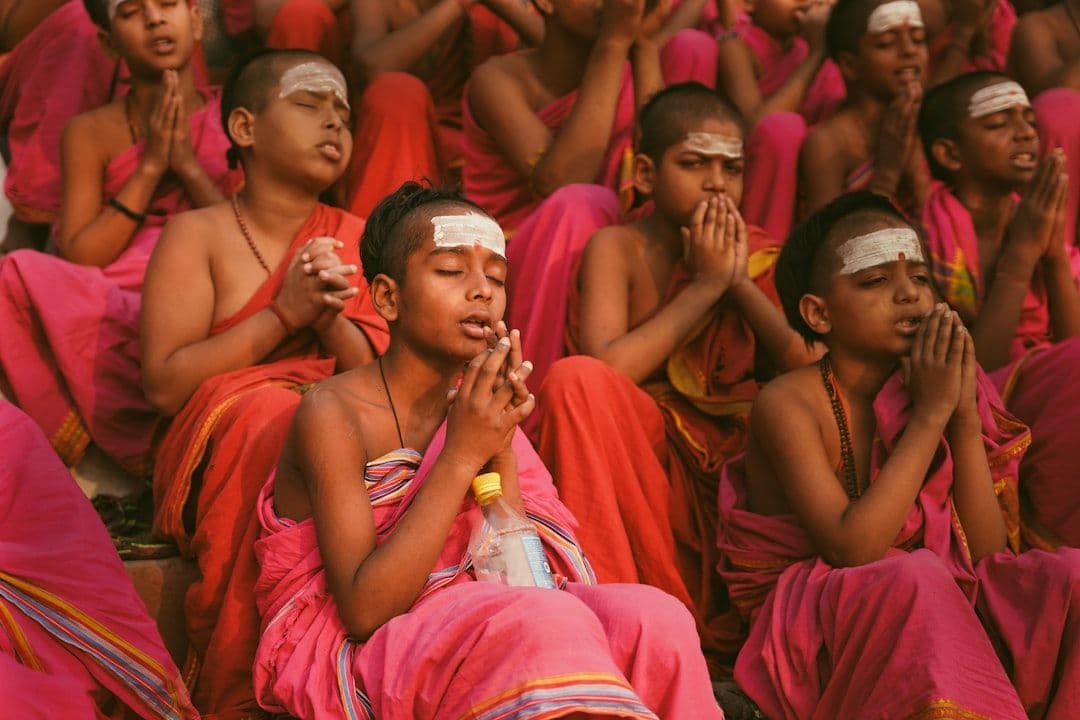
Come prepared for a spiritual element. Sivananda classes include chanting and philosophical teachings alongside physical postures. If this feels unfamiliar, remember that participation is always optional—you can simply listen respectfully.
The Session Structure
Classes begin with relaxation in corpse pose (savasana) as the teacher guides you to release tension and centre your awareness. This 5-10 minute settling period helps transition from daily life into practice. You'll then move into breathing exercises (pranayama), typically including three-part yogic breathing and alternate nostril breathing to balance the nervous system.
The physical sequence follows the same 12 postures each class: sun salutations warm up the spine, followed by headstand (or supported alternatives), shoulderstand, plough, fish, seated forward fold, cobra, locust, bow, spinal twist, crow (or preparation), and standing forward fold. Each pose is held for 30 seconds to several minutes, with brief rest periods between.
Unlike flowing yoga styles, you'll move slowly and deliberately. Teachers demonstrate modifications for different abilities and often adjust students' positioning with permission. The sequence concludes with a 10-15 minute final relaxation, followed by seated meditation and the closing chant 'Om Shanti Shanti Shanti'—invoking peace on physical, mental, and spiritual levels.
What You Might Experience
During practice, expect to feel challenged but not strained. The longer holds build heat and may cause trembling in muscles—this is normal as your body adapts. Some poses feel immediately accessible whilst others might seem impossible; Sivananda teachers emphasise that your current edge is perfect, regardless of how the final pose appears.
Breathing exercises can produce light-headedness or tingling sensations. Stop if you feel dizzy and return to normal breathing. The combination of physical effort and focused breathing often creates a meditative state where external thoughts fade naturally.
After class, many people report feeling simultaneously energised and deeply relaxed—a quality unique to yoga practice. This might persist for several hours. Others feel emotional release, as physical postures can unlock stored tension. Some experience spiritual connection or clarity, particularly during the meditation portions. These responses vary greatly between individuals and even between sessions for the same person.
Aftercare and Integration
Avoid intense physical activity for at least an hour after class, allowing your nervous system to integrate the practice's effects. Drink water gradually rather than gulping large amounts immediately. Many practitioners prefer lighter meals following evening classes, as the relaxation response can affect digestion.
Notice any areas that felt particularly tight or emotional during practice. These often shift with consistent attendance rather than through forcing in a single session. If you experienced emotional release, be gentle with yourself and consider talking to someone supportive.
Some people feel effects immediately—improved sleep, reduced anxiety, or greater flexibility. For others, changes accumulate gradually over weeks or months. Sivananda philosophy emphasises steady, patient practice over dramatic transformation, reflecting the understanding that lasting change develops through consistency rather than intensity.
Building a Practice
Regular attendance is more beneficial than occasional intense sessions. Most teachers recommend 2-3 classes weekly initially, allowing rest days for your body to adapt. The same sequence each time might seem repetitive, but this consistency allows you to track subtle changes in strength, flexibility, and mental state over time.
Many studios offer beginner courses covering the fundamentals over 4-6 weeks. These provide detailed instruction in breathing techniques, pose alignment, and basic philosophy. Drop-in classes assume familiarity with the sequence, though modifications are always available.
Home practice often develops naturally after several months of classes. Teachers may suggest starting with 15-20 minutes of breathing and a few key postures. The Sivananda tradition particularly values daily practice over lengthy weekly sessions, reflecting its emphasis on yoga as a lifestyle rather than mere exercise.