What Is Somatic Experiencing?
Somatic Experiencing (SE) is a body-based psychotherapy approach designed to help individuals process traumatic memories and nervous system dysregulation through heightened awareness of physical sensations and gentle movement. Developed by trauma specialist Peter Levine in the 1970s, SE is grounded in the understanding that traumatic events become 'stuck' in the body when the nervous system cannot complete its natural biological response to threat. Unlike traditional talk therapy, which primarily processes thoughts and emotions, Somatic Experiencing directs attention to the somatic (bodily) markers of trauma—tension, numbness, trembling, or freeze responses—and helps the body gradually release these stored patterns. The approach rests on the premise that the body holds the key to resolving trauma, and that by re-establishing awareness and safe completion of interrupted survival responses, individuals can regain nervous system balance and emotional resilience.
How Does It Work?
Somatic Experiencing works by helping the nervous system complete the biological cycle that is interrupted during trauma. When a person faces overwhelming threat, their body initiates automatic survival responses: fight, flight, or freeze. In many traumatic situations, these responses cannot be fully expressed or completed—a person might freeze during assault and be unable to run, or become immobilized by shock. The incomplete response becomes trapped in the nervous system, leading to symptoms like hypervigilance, numbness, anxiety, or chronic pain. SE practitioners guide clients to develop gentle awareness of bodily sensations and to slowly 'discharge' this stored activation through micromovements, breathing, and titrated (carefully controlled) exposure to traumatic material. This process allows the nervous system to recognize that the threat has passed and to transition from a state of dysregulation (high alert or shutdown) back to baseline calm. The key principle is titration: practitioners work with very small amounts of somatic material at a time to prevent re-traumatization. By helping the body complete what was interrupted, SE facilitates nervous system healing at a deeper level than cognitive approaches alone.
What Does a Session Involve?
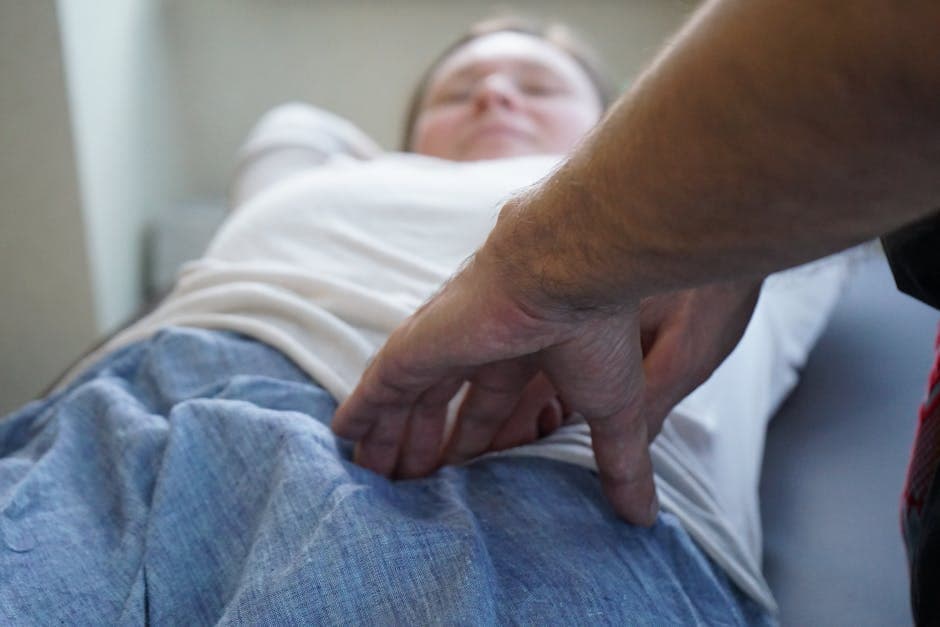
A typical Somatic Experiencing session begins with the practitioner and client developing a collaborative relationship and discussing the client's current symptoms and history. The practitioner then guides the client to notice sensations in the body in a gentle, non-directed way—perhaps asking 'What do you notice in your belly right now?' or 'Where do you feel tension?' The client may be sitting, lying down, or standing, and the practitioner observes physiological markers such as breathing patterns, skin color, tremoring, or postural shifts that indicate nervous system activation. As the client tracks sensations, the practitioner may suggest small, intentional movements or shifts in position to help the body complete a defensive response. For example, if a client feels an impulse to push or run (from an interrupted survival response), the practitioner might support that movement in a safe, controlled way. Throughout the session, the client alternates between tracking trauma-related sensations and returning to sensations of safety or stillness—a practice called 'pendulation' that prevents overwhelm. Sessions typically last 50–60 minutes, and the pacing is deliberate and slow. Clients are encouraged to notice shifts in sensation, temperature, movement, or emotion, and the practitioner continuously calibrates the intensity to keep the client within a 'window of tolerance'—the zone where the nervous system can process without becoming re-traumatized or shutting down.
Who May Benefit?
Somatic Experiencing is used alongside conventional care for a range of conditions rooted in nervous system dysregulation. Individuals with post-traumatic stress disorder or unresolved past trauma often find SE beneficial because it addresses the body-level storage of traumatic memories in a way that talk therapy alone may not. People with generalized anxiety disorder or panic disorder may benefit from learning to recognize and regulate their body's anxiety signals through somatic awareness and titrated exposure. Those with chronic pain or fibromyalgia, particularly when pain has roots in unprocessed emotional trauma or nervous system dysregulation, may find that SE reduces pain intensity by calming the nervous system. SE can also support people in early recovery from substance use, as it provides embodied coping tools for managing intense cravings and emotional instability. Additionally, those experiencing withdrawal symptoms, sleep disturbances, or emotional dysregulation following trauma may find SE helpful as part of a comprehensive healing plan. SE is not appropriate as a sole treatment for acute mental health crises, active suicidality, or uncontrolled psychosis, but it can be a valuable complement to conventional psychiatric and psychological care for many individuals. It is important to note that Somatic Experiencing is intended to be used alongside, not instead of, medical treatment, psychiatric medication, or conventional therapy.
What Does the Evidence Say?
Somatic Experiencing has accumulated strong empirical support in peer-reviewed research, particularly for post-traumatic stress disorder and anxiety-related conditions. Clinical studies and randomized controlled trials have demonstrated significant reductions in PTSD symptoms, anxiety, and panic when SE is used as a complementary therapy alongside conventional care. Research has also shown that SE may be especially effective for individuals who have not responded adequately to talk therapy alone, suggesting that the body-based approach accesses aspects of trauma processing that cognitive and verbal methods may miss. Moderate evidence supports the use of SE for chronic pain and fibromyalgia, with studies indicating that nervous system regulation through somatic awareness can reduce pain signal intensity and improve quality of life. The neurobiological basis for SE is increasingly well-understood: research in trauma neuroscience shows that unprocessed trauma creates dysregulation in the autonomic nervous system and that practices targeting somatic awareness and completion of survival responses can restore nervous system balance. However, it is important to emphasize that evidence strongest for SE when it is used as a complementary tool within a broader care plan that may include conventional therapy, medical treatment, and psychiatric support. Most research does not support SE as a standalone treatment for severe mental health conditions, and individuals with complex trauma, active dissociation, or acute psychiatric symptoms should work with qualified mental health professionals who can integrate multiple approaches.
Safety and Considerations
Somatic Experiencing is generally a safe practice when delivered by properly trained practitioners, but there are important contraindications and considerations. The approach is not appropriate as a first-line or sole treatment for acute trauma, active suicidality, severe dissociation, or active psychosis. Individuals with uncontrolled substance use, recent severe trauma, or complex PTSD should consult a qualified mental health professional before beginning SE and should ideally work with practitioners who have specialized training in trauma. Some people may experience temporary discomfort during or after sessions as the body processes stored material—this is generally normal, but practitioners should be prepared to support clients through these experiences using careful titration. Individuals with medical conditions affecting the nervous system, chronic pain conditions, or those taking psychiatric medications should inform their SE practitioner so that sessions can be appropriately tailored. Importantly, Somatic Experiencing is never a replacement for psychiatric medication, medical treatment, or conventional psychotherapy. Those managing conditions with medication or therapy should continue those treatments and discuss adding SE with their healthcare provider to ensure all approaches are coordinated. Practitioners should have clear training credentials and be able to discuss their qualifications, training hours, and approach to safety. If a practitioner suggests discontinuing medical treatment or medication, that is a red flag—ethical SE practitioners always encourage coordination with conventional healthcare.
How to Find a Qualified Practitioner
Finding a qualified Somatic Experiencing practitioner requires verification of specific training credentials. Somatic Experiencing was developed by Peter Levine and is formally taught through the Somatic Experiencing International Institute (SEI), which offers a comprehensive training program culminating in certification. Qualified practitioners will have completed SEI training and hold credentials such as 'Certified Somatic Experiencing Practitioner' (SECP), 'Somatic Experiencing Practitioner' (SEP), or 'Somatic Experiencing Trauma Institute Certified' (SE-CERT). You can verify a practitioner's credentials by visiting the SEI website (somaticexperiencing.com or similar official SEI domains) and searching their practitioner directory. When considering a practitioner, ask about their specific training hours, their credentials, and whether they have experience working with your particular condition or trauma history. Many qualified practitioners also have additional training in psychology, counseling, or social work, which can be a positive indicator. It is reasonable to ask about their approach to safety, how they handle triggering material, and their experience with titration and nervous system regulation. Some practitioners offer initial consultations or phone calls; use this opportunity to assess whether you feel comfortable working with them and whether they take time to understand your needs and limitations. Be cautious of practitioners who make medical claims, suggest replacing psychiatric care with SE alone, or lack verifiable credentials. If you are in active crisis or have severe psychiatric symptoms, prioritize consultation with a mental health professional or emergency services; Somatic Experiencing can be integrated into your care plan once acute symptoms are stabilized.