Overview
Practitioners use instruments such as singing bowls, tuning forks, or gongs to create sound vibrations.
Sound healing uses vibrational sound instruments to create immersive relaxation experiences.
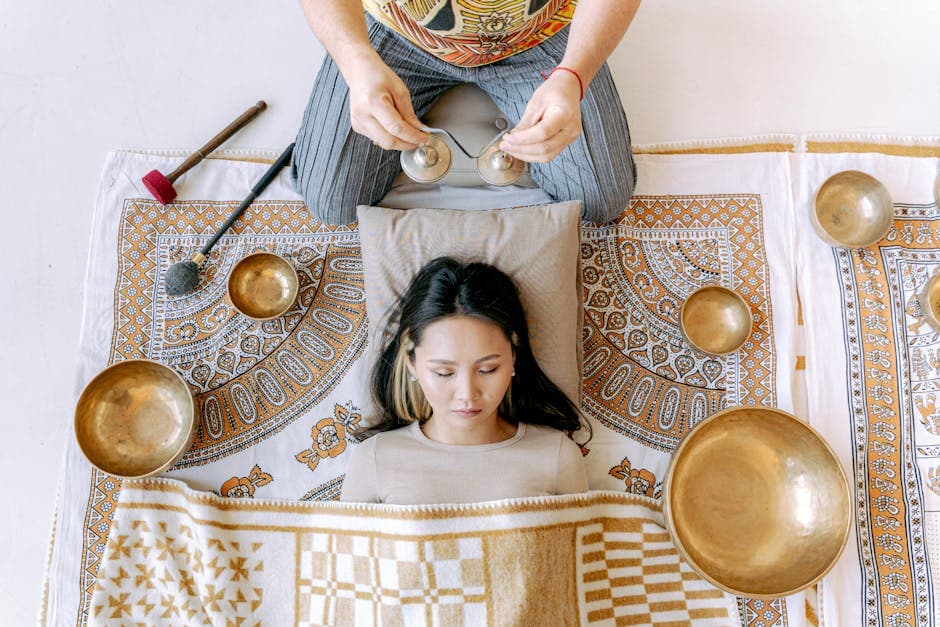
Photo by Antoni Shkraba Studio on Unsplash
Quick answer
Sound healing involves the therapeutic use of vibration and sound to support relaxation and mental wellbeing.
Practitioners use instruments such as singing bowls, tuning forks, or gongs to create sound vibrations.
Sound healing practices involve the use of instruments such as singing bowls, gongs, or tuning forks. Research exploring the effects of sound-based relaxation practices is emerging.
Sessions should maintain safe sound levels.
Written by
Gyfts Editorial Team
Editorial team at Gyfts researching holistic health modalities.
Reviewed by
Dr. Ava Gardner
Integrative Medicine Researcher
MB BCh BAO, MSc Integrative Medicine, MRCGP
Dr. Ava Gardner is a Dublin-based integrative medicine physician with over 15 years of clinical experience bridging conventional general practice and evidence-based complementary care. She holds a Masters in Integrative Medicine from the University of Arizona and has worked extensively in chronic pain management, women's hormonal health, and mind-body medicine. Dr. Gardner reviews health content for Gyfts to ensure clinical accuracy, balanced evidence presentation, and responsible safety guidance across modality and condition pages.
View full profile →These practitioners have chosen to be featured on Gyfts.
Studies explore the physiological effects of sound-based relaxation practices.
26 August 2024
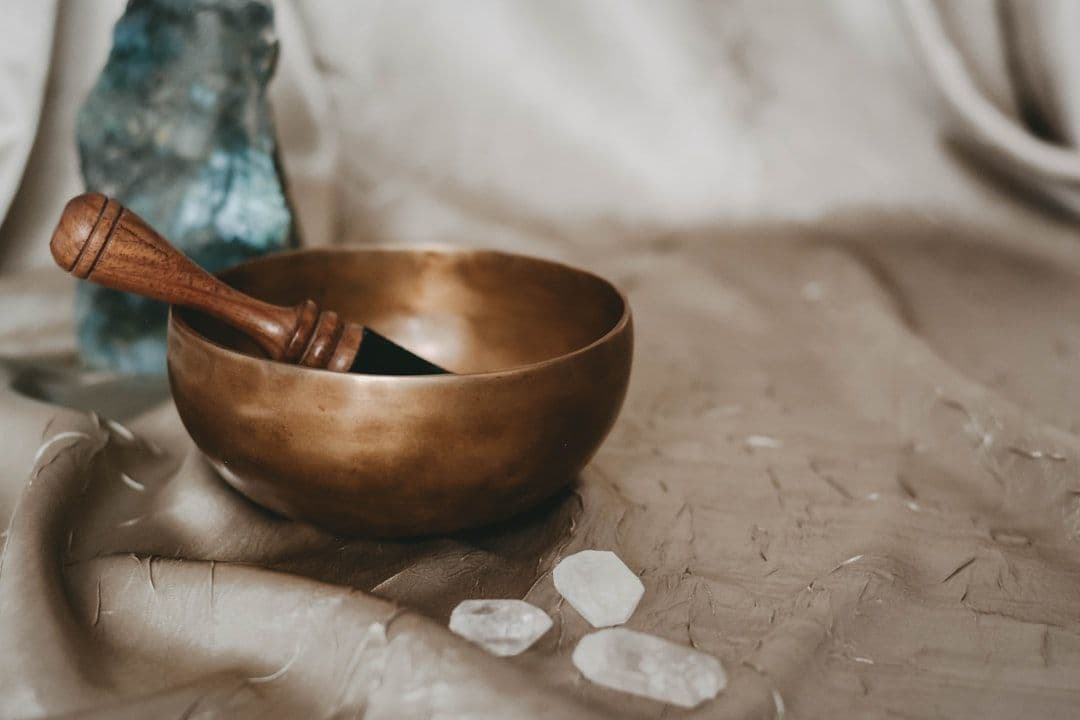
Participants relax while practitioners play instruments such as singing bowls or gongs.
4 August 2024
Highly rated practitioners specialising in this modality.




