Preparing for Your Session
Arrive in comfortable clothing that allows you to sit quietly for extended periods. Many practitioners suggest bringing a journal or notebook, though some provide these. Avoid caffeine for several hours beforehand—it can interfere with the reflective nature of the work.
Consider what you hope to explore rather than what you want to achieve. Spiritual growth practitioners work with questions rather than predetermined outcomes. You might reflect on areas where you feel stuck, recurring patterns in relationships, or a general sense that something is missing from your life.
Switch off your phone and allow extra time before and after. Rushing into contemplative work rarely proves fruitful. Many people find it helpful to arrive ten minutes early to settle into the space and mindset.
The Structure of a Session
Sessions typically begin with a brief check-in about your current state and any insights from previous work. This conversation helps your practitioner understand where to focus the session's exploration.
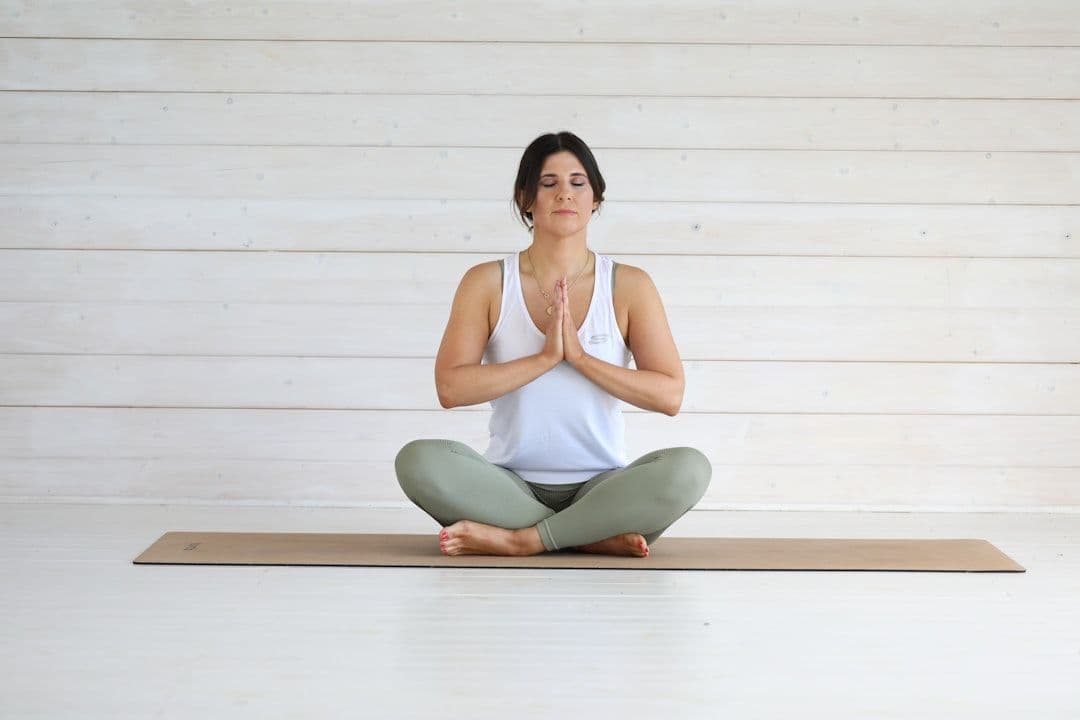
The heart of the session often involves guided contemplative practice. This might include meditation, reflective questioning, exploring wisdom texts, or working with imagery. Your practitioner may invite you to consider specific questions or themes, allowing silence between responses for deeper reflection to emerge.
Some practitioners incorporate movement, breathing exercises, or time in nature, depending on their background and your preferences. Sessions usually conclude with integration—discussing insights that arose and identifying practices to explore between sessions. Most sessions last 60 to 90 minutes, with the contemplative portion typically spanning 30 to 45 minutes.
What You Might Experience
During contemplative portions, you may notice your mind becoming quieter or, conversely, more active as thoughts surface. Both responses are normal. Some people experience profound moments of clarity or connection, whilst others notice subtle shifts in perspective that become clearer over time.
Emotionally, you might encounter unexpected feelings—grief for old patterns, excitement about new possibilities, or temporary confusion as familiar ways of thinking are questioned. Many people report feeling both energised and peaceful following sessions.
In the days afterward, pay attention to dreams, synchronicities, or recurring thoughts. These often carry insights that weren't immediately apparent during the session. Some people experience what practitioners call "spiritual emergence"—periods of heightened sensitivity or rapid internal change that require gentle integration.
Supporting Your Process Afterward
Maintain whatever practices your practitioner suggests—this might include daily meditation, journaling, or specific contemplations. Consistency matters more than duration. Ten minutes of daily practice typically proves more valuable than an hour once weekly.
Avoid making major life decisions immediately following intense sessions. Spiritual growth work can temporarily shift your perspective, and it's wise to allow insights to settle before taking action. However, do honour small impulses toward positive change—these often represent authentic guidance.
Create space for integration by reducing social media, news consumption, or other external stimulation for 24 to 48 hours after sessions. Many people find nature walks, creative expression, or quiet reading supportive during this period.
The Rhythm of Ongoing Work
Spiritual growth unfolds over months and years rather than weeks. Most people begin with weekly or fortnightly sessions for the first month or two, then move to monthly meetings as their personal practice develops.
Expect periods of rapid insight alternating with plateaus where little seems to be happening. Both phases serve the integration process. Many practitioners suggest committing to at least three months of regular sessions to establish a foundation, though some people continue for years as their exploration deepens.
Progress is measured through your own reflection rather than external assessment. You might notice increased resilience during challenges, clearer decision-making, or a growing sense of alignment between your actions and values. These shifts often become apparent to others before you recognise them yourself.