What Spirituality Actually Encompasses
A woman lights candles before dawn, sitting quietly with thoughts that reach beyond her immediate concerns. A man walks ancient pilgrimage routes, each step part of a larger conversation with questions that have no easy answers. Another person finds spiritual connection through scientific wonder, sensing something profound in the complexity of ecosystems or the vastness of space.
Spirituality refers to the human impulse to explore meaning, purpose, and connection beyond the material world. This exploration might unfold within established religious traditions—Christianity, Islam, Buddhism, Judaism, Hinduism, indigenous practices—or through entirely personal belief systems. Some people find their spiritual expression in nature, others in service to community, and still others in contemplative practices that transcend specific religious boundaries.
Unlike organised religion, which typically involves shared doctrines and institutional structures, spirituality can be profoundly individual. It addresses fundamental questions: Why am I here? What matters most? How do I relate to something greater than myself? The answers vary enormously, but the questioning itself represents a distinctly human capacity.
Historical and Cultural Context
Spiritual practices are as old as human consciousness itself. Archaeological evidence suggests our earliest ancestors engaged in rituals that addressed death, birth, and the mysteries of existence. Cave paintings, burial sites, and ceremonial objects reveal attempts to connect with forces beyond immediate survival needs.
Every culture has developed its own spiritual traditions, from the shamanic practices of Siberian peoples to the philosophical inquiries of ancient Greek mystery schools, from the meditation traditions of India to the vision quests of Native American tribes. These diverse approaches share common threads: the use of ritual, the cultivation of altered states of consciousness, the importance of community, and the development of ethical frameworks.
In contemporary Western society, spirituality has increasingly separated from institutional religion. Many people describe themselves as "spiritual but not religious," drawing elements from various traditions whilst creating personalised practice. This reflects both the globalisation of spiritual ideas and a desire for individual autonomy in matters of meaning and faith.
How Spiritual Practice Works
Within spiritual frameworks, practice operates through cultivating awareness, connection, and transformation. Whether through prayer, meditation, ritual, study, or service, spiritual engagement aims to shift perspective—from purely material concerns towards questions of meaning and purpose. Practitioners often describe this as touching something eternal, transcendent, or sacred.
Different traditions understand this process differently. Contemplative practices like meditation may cultivate states of awareness that reveal the interconnectedness of all things. Devotional practices like prayer might foster relationship with divine presence. Ethical practices like service can develop compassion and reduce self-centredness. Study of sacred texts often provides frameworks for understanding suffering and finding purpose.
From a psychological perspective, spiritual practices may influence wellbeing through several mechanisms: they provide meaning-making frameworks during difficult times, foster social connection through community involvement, encourage beneficial lifestyle changes, and offer techniques for managing stress and anxiety. However, these psychological correlates don't fully capture what practitioners value most—the sense of connection to something larger than themselves.
What Spiritual Engagement Looks Like
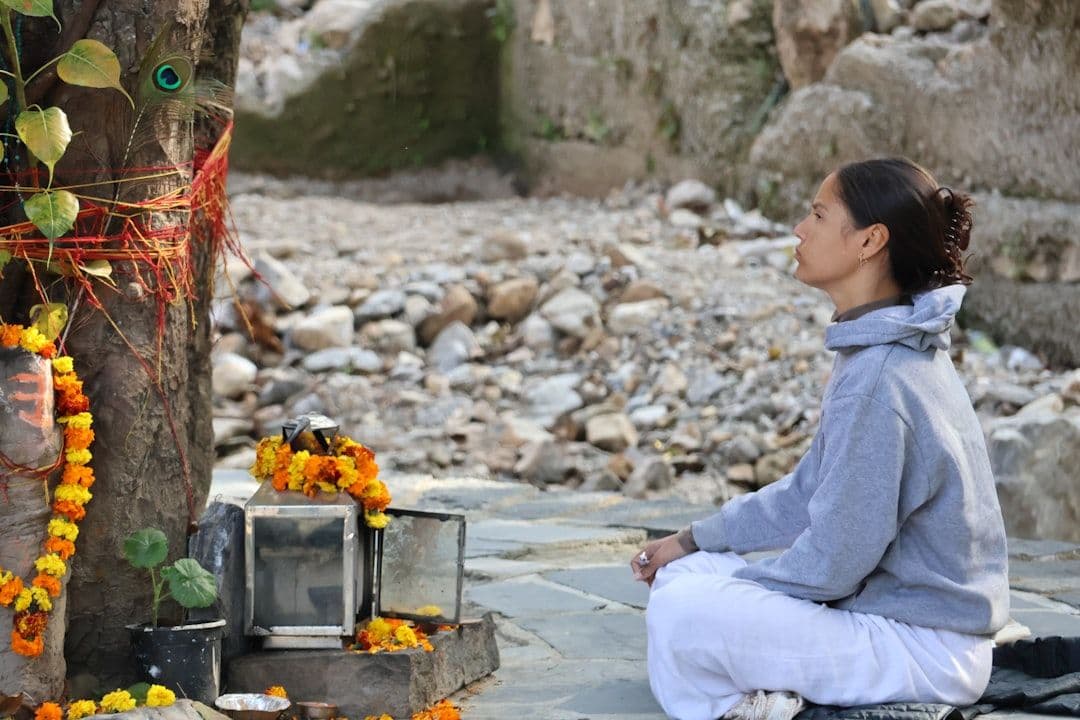
Spiritual practice varies dramatically based on individual inclination and cultural background. For some, it involves daily meditation or prayer, perhaps rising early to sit quietly before the day begins. Others might attend weekly services, finding spiritual connection through communal worship, shared music, or collective ritual.
Many people integrate spiritual awareness into everyday activities: mindful walking, gratitude practices, ethical decision-making, or volunteer service. Some undertake intensive practices like retreats, pilgrimages, or periods of contemplation that temporarily separate them from ordinary routine.
Personal spiritual exploration might involve reading sacred texts, philosophical works, or contemporary spiritual writing. It could include spending time in nature, engaging with art that evokes transcendent feelings, or having conversations about life's deeper questions with others on similar paths.
Guided spiritual development often involves working with teachers, spiritual directors, or mentors within specific traditions. This relationship typically emphasises practical guidance rather than doctrine, helping individuals navigate their own spiritual questions whilst learning from established wisdom.
Finding Spiritual Resources and Community
Spiritual exploration can begin anywhere—with personal reflection, reading, or simply paying attention to moments that evoke wonder or connection. Many people start by exploring traditions they encounter through family, culture, or personal interest.
Local religious communities offer structured approaches through churches, synagogues, mosques, temples, or meditation centres. These provide both teaching and community, though it's worth visiting several to find approaches that resonate. Interfaith centres or Unitarian congregations often welcome people exploring diverse spiritual paths.
Spiritual direction—one-to-one guidance from trained practitioners—is available through religious institutions or independently. Directors help individuals reflect on their spiritual experiences and develop personal practice, regardless of specific beliefs. Look for practitioners trained through recognised programmes like those offered by the Institute of Spirituality and Religious Formation.
Books, online resources, and retreat centres provide additional support. However, purely intellectual engagement often feels incomplete to those seeking spiritual connection. Most practitioners eventually find that spiritual development benefits from both solitary practice and some form of community or guidance.