A Precision Approach to Athletic Healthcare
Watch a sports medicine physician assess a footballer's knee injury, and you'll witness medicine at its most precise. Within minutes, they've isolated the specific structure at fault through targeted physical tests, confirmed the diagnosis with point-of-care ultrasound, and outlined a treatment plan that accounts for both the player's physiology and their upcoming fixture list.
Sports medicine represents medical specialisation at its finest—a discipline that recognises athletic injuries as distinct from everyday musculoskeletal problems. Where a general practitioner might recommend rest, a sports medicine specialist maps out graduated loading protocols. Where standard physiotherapy might suffice for most people, athletes require biomechanical analysis and sport-specific rehabilitation.
From Team Doctors to Medical Specialty
Sports medicine emerged in the 1950s as elite athletes demanded more sophisticated care than traditional medicine offered. Early pioneers like Hans Kraus in the United States and Ludwig Prokop in Austria recognised that athletic injuries required specialised knowledge—not just of anatomy, but of the specific demands each sport places on the body.
The discipline gained legitimacy through the 1970s and 1980s as scientific understanding of exercise physiology advanced. The establishment of sports medicine fellowships and dedicated training programmes transformed what had been intuitive team doctor work into an evidence-based medical specialty.
Today's sports medicine draws from multiple disciplines—orthopaedics, rheumatology, rehabilitation medicine, exercise physiology, and biomechanics—creating a comprehensive approach that addresses not just injury, but athletic performance as a whole.
Diagnosis Through Movement and Technology
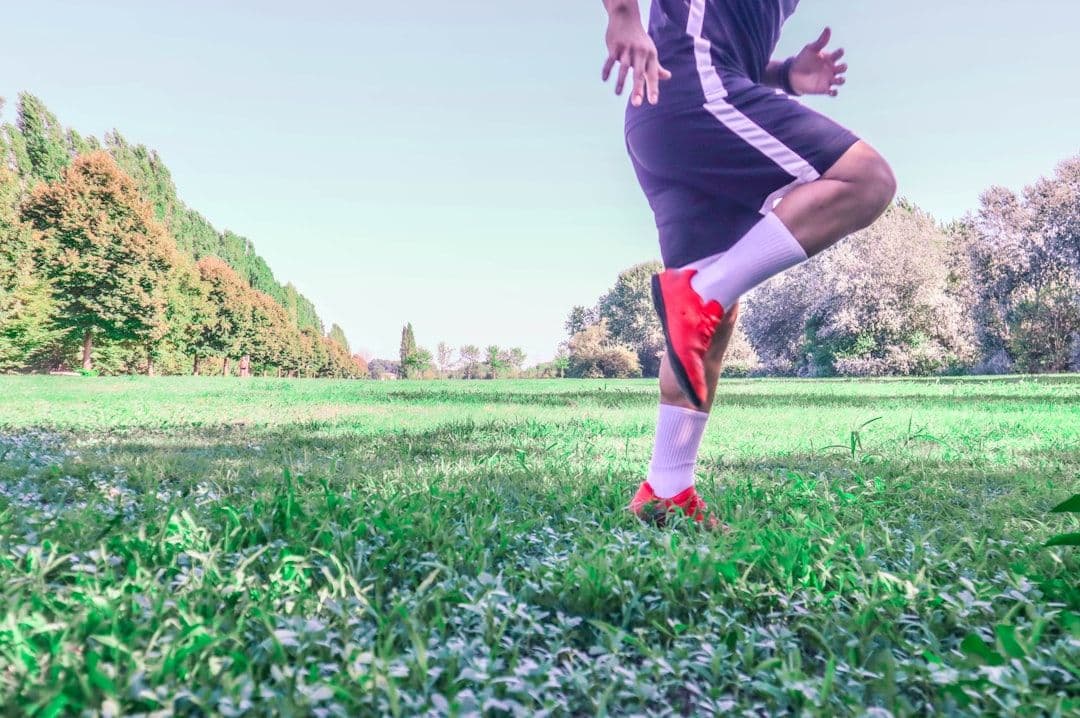
Sports medicine practitioners employ a systematic assessment process that goes far beyond standard medical examination. They observe how you move—during walking, running, jumping, or sport-specific actions—because movement patterns often reveal the root cause of injury more clearly than static tests.
Diagnostic technology plays a crucial role. Real-time ultrasound allows practitioners to visualise tendon and muscle injuries during movement. Force plates measure how you distribute weight and power. Video analysis breaks down complex movements frame by frame to identify biomechanical inefficiencies that predispose to injury.
The treatment arsenal extends from conservative approaches—manual therapy, progressive exercise prescription, movement retraining—to advanced interventions including corticosteroid and platelet-rich plasma injections, and when necessary, arthroscopic surgery. Each intervention is selected based on the specific tissue involved, the stage of healing, and your performance goals.
Beyond Injury: Performance and Prevention
Modern sports medicine extends well beyond treating existing injuries. Performance optimisation involves analysing how biomechanical inefficiencies limit athletic potential, identifying physiological imbalances that could lead to future problems, and designing training modifications that enhance both performance and injury resilience.
Preventive strategies are equally sophisticated. Movement screening protocols identify athletes at risk of specific injuries before they occur. Training load monitoring ensures that increases in intensity or volume don't exceed the body's adaptive capacity. Nutrition and recovery protocols are integrated into comprehensive care plans.
This holistic approach recognises that optimal athletic performance requires the seamless integration of multiple body systems—musculoskeletal, cardiovascular, neurological, and metabolic—all working in harmony.
Evidence That Drives Clinical Practice
Sports medicine boasts one of the strongest evidence bases in healthcare. Large-scale randomised controlled trials have established the effectiveness of key interventions: systematic reviews consistently show that structured exercise programmes reduce injury recurrence rates by 30-50% across multiple sports. NICE guidelines specifically recommend sports medicine approaches for common conditions like patellofemoral pain syndrome and lateral epicondylitis.
Landmark studies have shaped clinical practice. The FIFA 11+ injury prevention programme, validated across multiple countries and age groups, demonstrates how evidence-based warm-up routines can reduce injury rates by up to 39%. Research on concussion management has revolutionised return-to-sport protocols, emphasising graduated cognitive and physical testing.
Cochrane reviews support specific treatments: platelet-rich plasma injections show moderate evidence for certain tendon conditions, whilst eccentric exercise programmes demonstrate strong evidence for Achilles tendinopathy. This robust evidence base allows practitioners to offer treatments with genuine confidence in their effectiveness.
What to Expect: Assessment and Treatment
A typical sports medicine consultation begins with detailed discussion of your injury history, training patterns, and performance goals. The physical examination is comprehensive—testing strength, flexibility, balance, and movement quality across multiple planes of motion.
Diagnostic imaging may be performed in-clinic using ultrasound, or you may be referred for MRI if complex structural damage is suspected. Treatment plans are highly individualised: a runner's Achilles tendon problem requires different management from a footballer's, even when the injured tissue is identical.
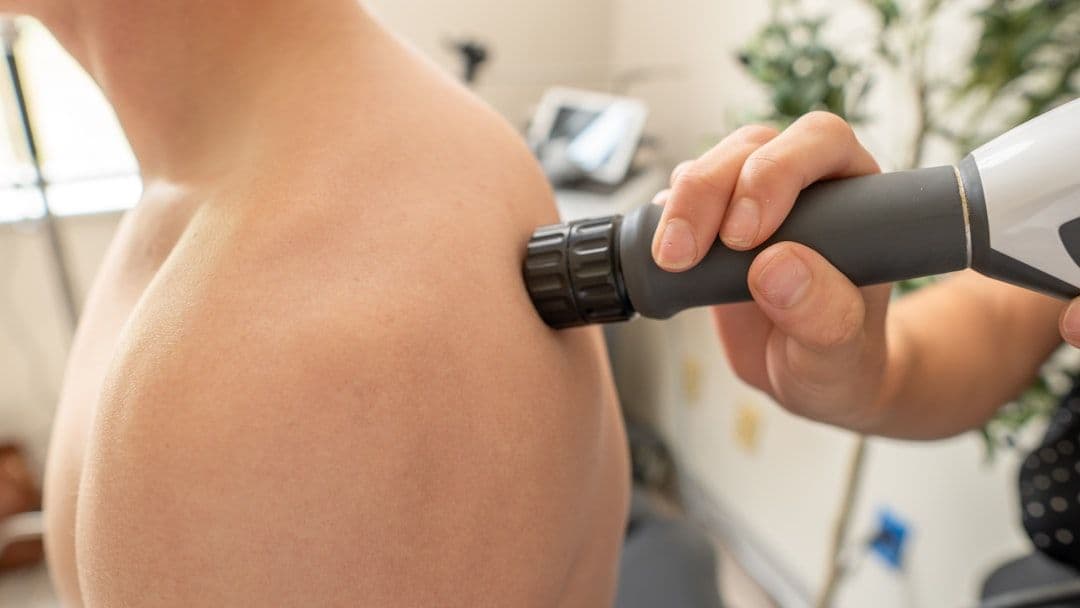
Treatment sessions typically combine hands-on techniques with exercise prescription and education about load management. Progress is monitored through objective measures—range of motion, strength testing, functional movement screens, and sport-specific performance metrics. Return-to-sport decisions are based on meeting specific criteria, not arbitrary timelines.
Finding Qualified Care
Sports medicine practitioners in the UK typically hold additional qualifications beyond basic medical training. Look for doctors with Membership of the Faculty of Sport and Exercise Medicine (FSEM), or physiotherapists with MSc qualifications in sports physiotherapy and registration with RCSLT or HCPC.
Costs vary significantly depending on setting and complexity. NHS sports medicine services are available through some GP referrals, particularly for serious injuries. Private consultations range from £150-300 for initial assessment, with follow-up treatments typically £80-150 per session.
Many practitioners work within multidisciplinary clinics alongside physiotherapists, strength coaches, and nutritionists. This integrated approach often provides the most comprehensive care, particularly for complex cases or performance optimisation goals. When choosing a practitioner, consider their experience with your specific sport or condition—specialisation often translates to better outcomes.