Before the Session: What to Expect
Walking into a subconscious healing session for the first time, you might feel a mix of curiosity and uncertainty. What will happen? Will it feel strange? These are natural questions. Before you arrive, it helps to know that there is no "right way" to experience this work. You are not being asked to perform, achieve, or produce a specific outcome. The intention is simply to show up, remain open, and allow yourself to be present.
Before your appointment, reflect gently on what brought you. Are you carrying stress that doesn't seem to lift? Do you notice patterns in your relationships or work that repeat themselves? Are you managing burnout, anxiety, or a vague sense of disconnection? These are the kinds of concerns that often lead people to subconscious healing. There is no pressure to have a perfectly articulated problem. A feeling, a sensation, or even just a sense that something could shift is enough to begin.
Wear comfortable clothing. Eat lightly beforehand if you tend to feel physical heaviness on a full stomach. Arrive a few minutes early to settle your nervous system. Many practitioners will ask you to sign an informed consent form acknowledging that this is a complementary practice and not a replacement for medical or psychological care. This is standard and protects both you and your practitioner. Use this moment to ask any questions about their approach, their experience, or how they work.
Arriving and Setting the Scene
When you enter the practitioner's space, you will likely notice an intentional atmosphere. The room is usually quiet, softly lit, and free of harsh stimuli. There may be comfortable seating—a chair or a couch—and the practitioner's presence is typically calm and unhurried. You might notice plants, soft textures, or gentle decor designed to support a sense of safety and ease.
Your practitioner will begin by creating rapport and understanding. They will ask about your history, your current concerns, and what has brought you to this moment. This conversation is not clinical diagnosis; it is relational. They are listening not just to your words but to the tone, the hesitations, the places where emotion lives beneath the surface. This is the beginning of the work—noticing, together, where your attention naturally goes and what seems to matter most.
As this conversation deepens, you may feel yourself beginning to relax. The simple act of being truly heard—of having space to speak without judgment or urgency—can itself shift something. Your nervous system may begin to settle. You might notice your breathing becoming slower or your shoulders dropping. This is the natural preparation for the deeper work ahead. The practitioner is essentially inviting your mind and body into a state of greater receptivity and trust.
During the Session
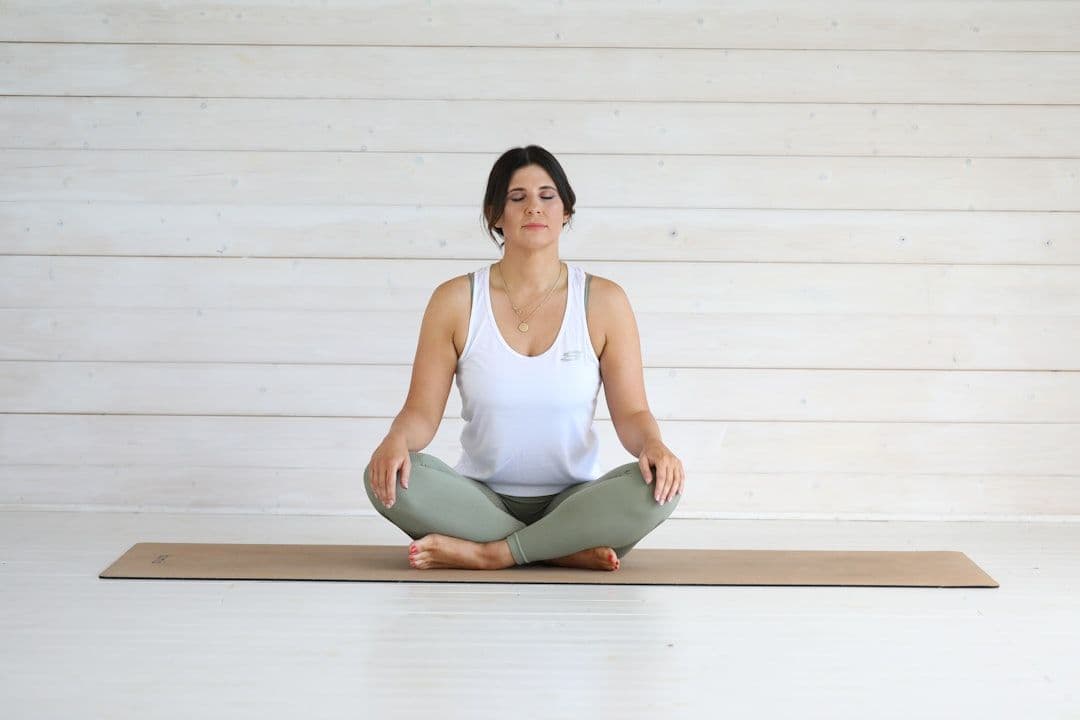
The session itself unfolds gradually and organically. Once rapport is established, your practitioner may guide you into a more relaxed, inward state—not hypnosis in the formal sense, but a deepening of attention and awareness. You might be invited to close your eyes or soften your gaze. You may hear gentle guidance: slow your breathing, notice sensations in your body, allow yourself to become curious about what lies beneath the surface.
During this time, the practitioner uses reflective questions and intuitive listening to help you access subconscious patterns, beliefs, or impressions. These questions are not meant to lead you toward a predetermined answer but to open doors of exploration. What belief about yourself have you carried since childhood? Where did you learn that you needed to be perfect, or that your needs didn't matter, or that you were somehow unsafe? What if that belief could be gently examined and released?
You may experience various sensations or insights. Some people report feelings of warmth, tingling, or a sense of expansion in their chest or throughout their body. Others experience emotional release—tears, laughter, or a deep sigh. Some notice vivid imagery or memories surfacing. Others experience profound stillness and quiet. All of these responses are valid. There is no "correct" way to feel. The work happens at a level that may not always be intellectually obvious in the moment; the unfolding often continues long after the session ends.
Throughout, you remain in control. You are never asleep, never without agency. If something feels uncomfortable or you wish to pause, you can do so. Your practitioner is trained to work with what arises and to help you process it at a pace that feels safe.
How You May Feel Afterwards
When the session concludes, there is usually a gentle transition back to ordinary awareness. Your practitioner might guide you slowly—perhaps asking you to deepen your breath, to notice sounds in the room, to wiggle your fingers and toes. Take your time. Many people feel slightly spacey or tender immediately after; this is normal and usually passes within a few minutes to an hour.
In the hours and days following a session, you may notice shifts that are subtle or profound. Some people describe feeling lighter, as though a weight has been set down. Others notice a quieting of the internal chatter or a reduction in the urgency of anxious thoughts. You might sleep deeply that night, or experience vivid dreams as your subconscious continues to process. Some describe a sense of permission—perhaps to rest, to say no, to prioritize themselves—that they had been unconsciously withholding.
It is also normal to feel emotionally activated for a day or two as unconscious material surfaces and your system integrates new awareness. This is not a sign that something went wrong; it is part of the process. Moving your body gently, spending time in nature, journaling, and practicing self-compassion can support this integration. Avoid making major life decisions immediately after unless they feel clearly aligned.
Over subsequent days and weeks, many people report that patterns shift in lived experience rather than through intellectual effort. You might find yourself responding differently to a triggering situation, or noticing that a belief you held no longer has the same grip. A habit might feel less urgent. A relationship dynamic might ease. These changes often feel organic and natural rather than forced, because they emerge from a deeper level of understanding and release.
Is It Right for You?
Subconscious healing is a metaphysical, exploratory practice best understood as complementary to medical and psychological care. It may appeal to you if you are drawn to introspective work, if you believe that the mind and emotions are intertwined with wellbeing, or if you sense that patterns in your life stem from beliefs you are not fully conscious of.
This modality is particularly suited for those who are managing stress, burnout, mild to moderate anxiety, or a sense of being stuck in recurring patterns, and who wish to explore these experiences through a mind-body-belief lens. It may be helpful for those already in therapy who feel drawn to additional supportive practices.
However, if you are experiencing acute psychological distress, severe trauma, suicidal thoughts, or a diagnosed mental health condition such as PTSD, severe depression, or schizophrenia, subconscious healing should not be your primary or sole approach. Work with a mental health professional—a therapist, psychologist, or psychiatrist—first. You may later explore subconscious healing as an adjunct if it feels right and your care team agrees.
Choose a practitioner who is transparent about their training, who frames their work as complementary, and who encourages you to continue medical and psychological care as needed. Trust your intuition about whether this feels like a fit for you. Healing is deeply personal, and the right modality is one that resonates with your beliefs, needs, and circumstances. Subconscious healing offers a gentle, exploratory path for those called to look inward and gently shift what may be held beneath conscious awareness.