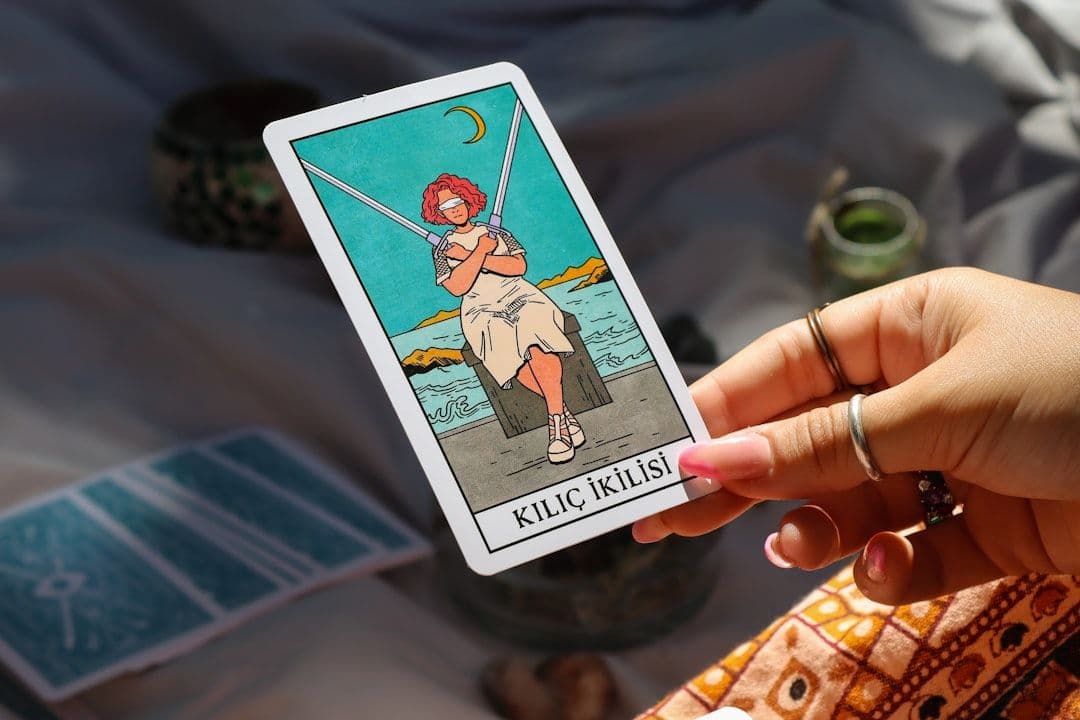
The Evidence Landscape for Tarot Reading
Tarot reading occupies a unique position in the research landscape. Unlike therapeutic modalities that can be evaluated through randomised controlled trials, tarot operates within a metaphysical framework where the concept of objective outcomes doesn't apply. The practice centres on subjective meaning-making through symbolic interpretation rather than measurable clinical endpoints.
The absence of clinical research on tarot reading doesn't represent a research gap—it reflects the fundamental nature of the practice itself. Within divination traditions, the value lies in the interpretive process and the insights it generates for the individual, not in predictive accuracy that could be scientifically measured. Attempting to evaluate tarot through conventional research methods would be rather like trying to measure the effectiveness of poetry through clinical trials.
What limited academic attention tarot has received comes primarily from cultural anthropology, psychology of belief systems, and studies of symbolic thinking. These investigations explore how people engage with symbolic systems and derive meaning from archetypal imagery, but they don't attempt to validate or invalidate the practice itself.
Psychological Mechanisms and Observed Effects
The psychological processes underlying tarot reading align with well-established mechanisms in cognitive psychology. The practice essentially provides a structured framework for introspection, similar to other reflective techniques used in counselling and personal development. When someone poses a question to the cards, they engage in what psychologists call 'elaborative processing'—actively connecting new information (the card imagery and meanings) to existing knowledge and experiences.
The symbolic nature of tarot cards serves as what researchers term 'projective stimuli.' Like inkblot tests, the archetypal imagery allows individuals to project their own thoughts, feelings, and associations onto neutral material. This process can help surface unconscious concerns or alternative perspectives that might not emerge through direct questioning alone.
Practitioners consistently report that clients use tarot readings to clarify their own thinking about decisions, relationships, or life directions. The structured format of card spreads provides a framework for examining different aspects of a situation systematically. Many find that the symbolic language of the cards offers a fresh vocabulary for understanding their experiences, particularly when conventional approaches to problem-solving feel inadequate.
Limitations of Current Understanding
The primary limitation in understanding tarot reading lies not in methodological flaws but in the fundamental mismatch between the practice's metaphysical framework and empirical research paradigms. Tarot operates within a symbolic and intuitive knowledge system that prioritises personal meaning over universal truth claims. This makes it inherently unsuitable for the kind of controlled studies that evaluate medical interventions.
Attempts to research tarot's 'accuracy' in predicting future events miss the point entirely. Contemporary tarot practice emphasises reflection and self-discovery rather than fortune-telling. Professional readers typically frame sessions as explorations of potential influences or current patterns rather than definitive predictions. The practice's value comes from the insights generated during the interpretive process, not from any claimed ability to foretell specific outcomes.
The subjective nature of tarot interpretation also means that benefits vary enormously between individuals. Some people find the symbolic framework deeply meaningful and psychologically useful, whilst others may find it irrelevant or unhelpful. This variability in response makes generalised conclusions about effectiveness impossible to establish through conventional research methods.
What the Evidence Supports vs. What Remains Unknown
Within its own framework, tarot reading offers a structured method for self-reflection that many people find psychologically valuable. The practice provides a systematic approach to examining questions or concerns through symbolic interpretation, which can stimulate new perspectives and insights. Professional readers emphasise the importance of personal agency—encouraging clients to use readings as starting points for their own reflection rather than definitive answers.
What remains unknown—and likely unknowable through scientific methods—is whether tarot operates through mechanisms beyond psychological interpretation. The metaphysical traditions that inform tarot practice include concepts of synchronicity, archetypal influence, and symbolic correspondence that exist outside empirical frameworks. These elements cannot be scientifically validated or invalidated; they represent different ways of understanding reality.
The key distinction lies in recognising that tarot's value doesn't depend on scientific validation. Like other meaning-making practices—art, literature, spiritual traditions—tarot operates within interpretive frameworks that offer their own forms of insight and understanding. The practice succeeds when it helps individuals gain clarity, perspective, or direction in their lives, regardless of whether this occurs through measurable psychological mechanisms or through the symbolic frameworks that practitioners and clients find meaningful.
Future Research Directions
Rather than attempting to validate tarot through clinical trials, future research might explore how people use symbolic interpretation systems for self-understanding and decision-making. Studies could examine the psychological processes involved in meaning-making through archetypal imagery, or investigate how different individuals engage with symbolic frameworks for personal reflection.
Cultural and anthropological research could further explore how contemporary tarot practice has evolved from historical divination traditions, and how practitioners integrate ancient symbolic systems with modern psychological understanding. Such investigations would respect the practice's own framework whilst contributing to broader understanding of how people create meaning through symbolic interpretation.
The most valuable research directions would focus on understanding tarot as a cultural and psychological phenomenon rather than attempting to prove or disprove its metaphysical claims. This approach recognises that practices can offer genuine value to practitioners without requiring validation through scientific methods designed for entirely different purposes.