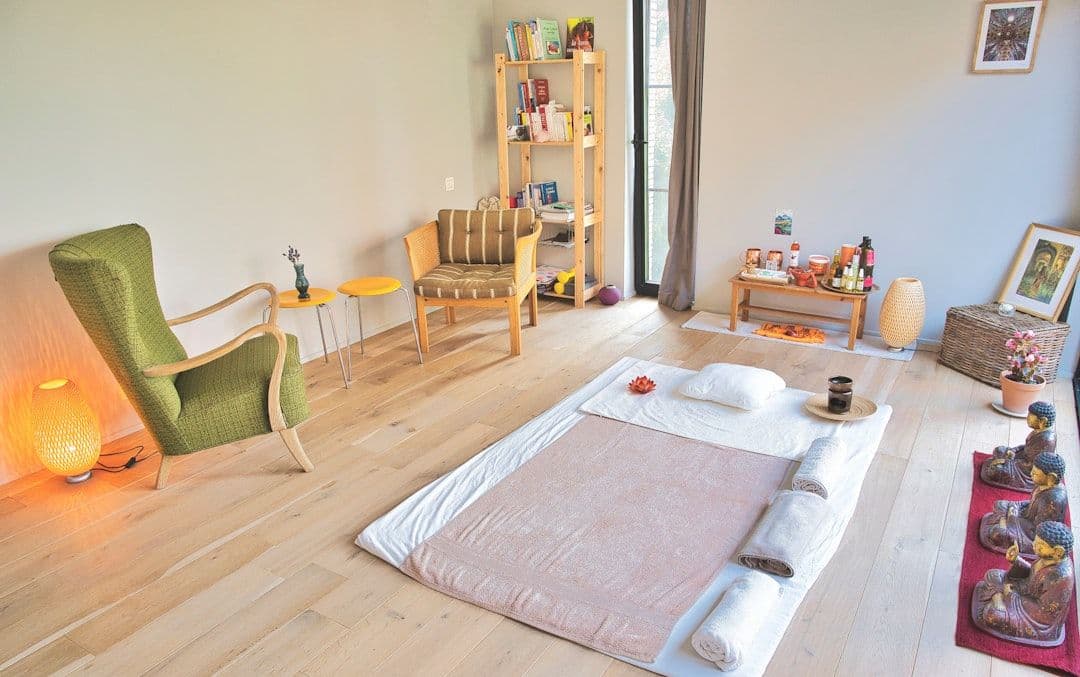
Before You Arrive
Wear comfortable, loose-fitting clothing that won't restrict your breathing or circulation. You'll spend most of the session seated or lying down, so choose fabrics that feel pleasant against your skin. Remove heavy jewellery or tight accessories that might become distracting.
Eat a light meal 2-3 hours beforehand rather than arriving hungry or overly full. Avoid alcohol for 24 hours prior, as it can interfere with the relaxation process. Limit caffeine on the day of your session - one morning cup is fine, but avoid energy drinks or multiple coffees that might make settling into a meditative state more challenging.
Bring a notebook if you wish to capture insights afterward, though many practitioners provide this. Arrive with an open mind about what limiting beliefs or emotional patterns you'd like to explore. Some people find it helpful to reflect beforehand on recurring thoughts or feelings they'd like to understand better, though this isn't essential.
The Session Unfolds
Your practitioner begins by discussing what you hope to address - perhaps recurring anxieties, self-doubt, or patterns that feel stuck. This conversation typically lasts 15-20 minutes and helps focus the session's direction. They'll explain their understanding of theta brainwaves and how the process works within their practice framework.
You'll settle into a comfortable chair or lie on a treatment table, depending on the practitioner's setup. The room is usually dimly lit with soft background sounds - gentle music or nature sounds. Your practitioner guides you through progressive relaxation, asking you to focus on releasing tension from different body parts. This induction phase lasts roughly 10-15 minutes.
Once deeply relaxed, your practitioner uses guided visualisation to help you explore specific beliefs or emotional responses. They might ask you to imagine scenarios or repeat certain statements whilst monitoring your internal reactions. This exploratory phase forms the session's core, lasting 30-45 minutes. Throughout, you remain aware and can communicate with your practitioner.
The final phase involves integration work - your practitioner may guide you through visualisations aimed at 'installing' new beliefs or releasing old patterns. They then gradually bring you back to normal waking consciousness, which takes about 10 minutes.
What You Might Experience
During the relaxation phase, expect to feel increasingly calm and heavy, similar to the drowsy state just before sleep. Your breathing naturally deepens and your heart rate slows. Some people notice tingling sensations, warmth, or a floating feeling. Others simply feel profoundly peaceful.
During belief exploration, responses vary considerably. You might experience emotional releases - tears, laughter, or waves of feeling that seem to arise from nowhere. Some people report vivid mental imagery or memories surfacing. Others notice subtle shifts in how certain thoughts feel, or find that previously charged topics seem neutral.
Physical sensations can include temporary dizziness when transitioning between states, muscle twitches as tension releases, or changes in body temperature. These typically pass quickly and are considered normal responses to deep relaxation.
Afterward, most people feel refreshed but slightly spacey - similar to waking from a deep nap. This foggy feeling usually clears within 30-60 minutes. Some notice immediate shifts in perspective, whilst others report gradual changes over subsequent days. There's no 'correct' way to respond.
Caring for Yourself Afterward
Drink plenty of water for the rest of the day, as the deep relaxation process can be mildly dehydrating. Avoid making major decisions or driving for at least 30 minutes until the slightly altered state fully clears. Plan quiet activities for the remainder of your day rather than rushing into demanding tasks.
Some people experience what practitioners call 'integration symptoms' - temporary emotional sensitivity, vivid dreams, or slight fatigue as new perspectives settle in. These typically resolve within 48 hours and are viewed within the practice framework as signs of processing.
Avoid alcohol that evening, as your system may be more sensitive than usual. Gentle activities like walking, reading, or light stretching support the integration process better than intense exercise or stimulating entertainment.
Keep that notebook handy for a few days. Insights or perspective shifts often emerge gradually rather than dramatically during the session itself.
Planning Your Course of Sessions
Most practitioners recommend an initial series of 3-4 sessions to address specific belief patterns, spaced 1-2 weeks apart. Complex issues may require 6-8 sessions or more. Unlike some modalities, there's no standardised treatment protocol - the number depends entirely on what you're exploring and how you respond.
Some people notice shifts after their first session, whilst others need several before patterns begin changing. The process is highly individual, and practitioners typically assess progress session by session rather than prescribing a fixed number upfront.
Maintenance sessions every few months are common for those who find the approach helpful for ongoing personal development. Others use it intensively for specific issues then return as needed. The flexibility allows you to work at your own pace and according to your own goals within this belief-focused framework.