Sacred Symbols Meet Gentle Touch
Picture a practitioner placing their hands gently above your body whilst quietly reciting Tibetan mantras, their mind focused on ancient Buddhist symbols believed to channel healing energy. This is Tibetan Reiki—a practice where the familiar gentle touch of Japanese Reiki interweaves with the rich spiritual traditions of Tibetan Buddhism.
Unlike traditional Reiki, which relies primarily on hand positions and universal life force energy, Tibetan Reiki incorporates sacred symbols, chakra visualisation, and mantras passed down through Tibetan healing lineages. Practitioners might draw invisible symbols over your body or guide you through visualisations of golden light flowing through energy centres.
The atmosphere during these sessions often feels more ceremonial than conventional Reiki. You might hear the soft chanting of mantras like 'Om Mani Padme Hum' or experience the practitioner working with what they describe as your subtle energy body through specific Tibetan techniques.
A Modern Fusion of Ancient Traditions
Tibetan Reiki emerged in the late 20th century as Western practitioners of Reiki encountered Tibetan Buddhist healing traditions. Rather than representing a historical Tibetan practice, it reflects a contemporary blending of two distinct spiritual approaches to wellness.
The Tibetan elements draw from practices rooted in Bon shamanism and Tibetan Buddhist medicine, where healing involves working with subtle energies and consciousness. These traditions understand illness as arising from energetic imbalances that can be addressed through spiritual practices, visualisation, and the manipulation of life force energy.
This hybrid approach gained popularity among practitioners seeking to deepen their energy work beyond traditional Reiki's scope. Different schools have developed varying approaches, some emphasising the shamanic aspects whilst others focus more heavily on Buddhist meditation and visualisation techniques.
Working with Subtle Energy and Sacred Practice
Within the Tibetan Reiki framework, practitioners work with what they understand as multiple layers of energetic existence. They combine the channelling of universal life force energy—familiar to Reiki practitioners—with more complex visualisation practices and symbol work derived from Tibetan traditions.
A practitioner might begin by invoking specific Tibetan healing masters or deities, then work through your chakra system using both hands-on healing and visualisation. They may focus on particular energy centres whilst silently or audibly reciting mantras, believing this combination creates more profound energetic shifts than either practice alone.
From a biomedical perspective, the relaxation response generated through gentle touch, focused attention, and rhythmic breathing patterns may contribute to stress reduction and parasympathetic nervous system activation. However, the practice's value lies primarily within its spiritual framework rather than measurable physiological changes.
When Spiritual Exploration Meets Stress Relief
Tibetan Reiki particularly appeals to people already drawn to Buddhist philosophy or meditation practices. Those experiencing chronic stress who find conventional approaches insufficient sometimes discover value in this more ceremonial form of energy work.
The practice may also resonate with individuals navigating life transitions or seeking spiritual development alongside stress management. The combination of gentle touch, sacred symbolism, and meditative atmosphere can create a profound sense of peace for receptive individuals.
Some people find the added complexity of Tibetan elements—the mantras, symbols, and visualisation—creates a deeper sense of ceremonial significance than traditional Reiki. Others prefer simpler approaches and may find the additional elements distracting rather than helpful.
The Flow of a Tibetan Reiki Session
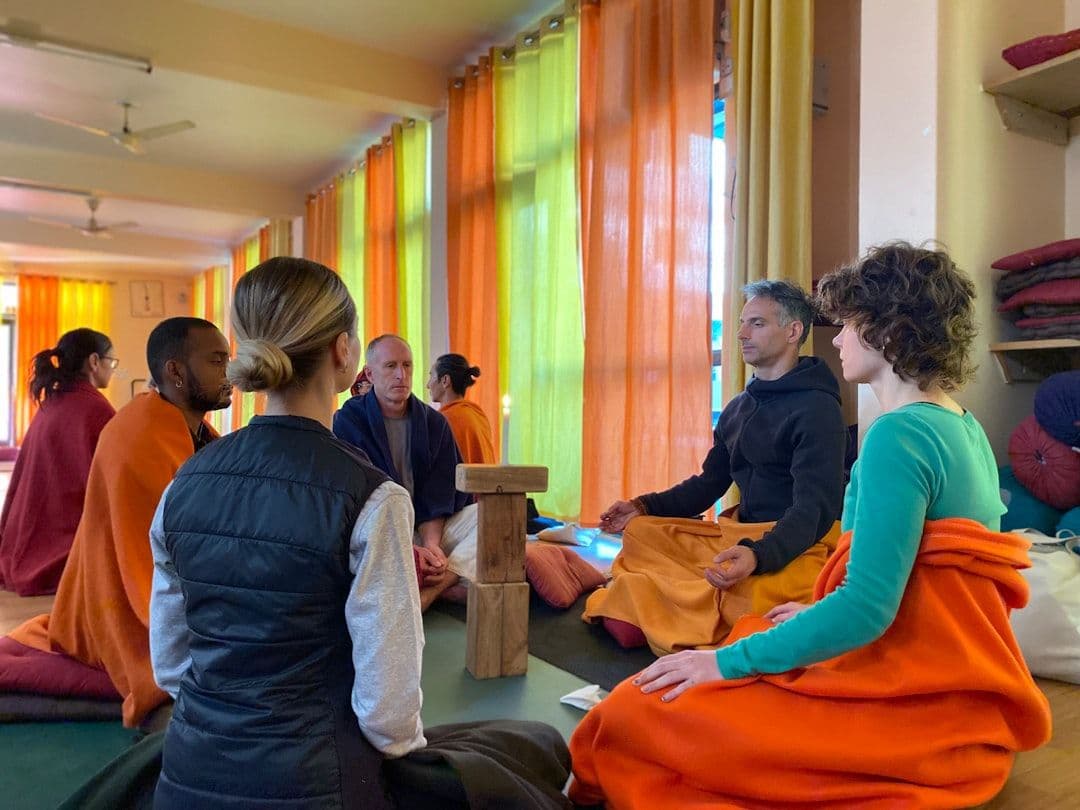
Sessions typically begin with a brief discussion about your current concerns and spiritual openness to the practices involved. You'll remain fully clothed whilst lying on a treatment table, with soft lighting and perhaps Tibetan music or chanting in the background.
The practitioner often starts by invoking protection and calling upon Tibetan healing masters or deities. They may guide you through initial visualisations—perhaps imagining golden light entering through your crown chakra or visualising specific colours associated with different energy centres.
During the treatment, expect periods of gentle hand placement alternating with the practitioner working in your energy field without physical contact. They might trace symbols above your body, focus intensively on particular chakras, or guide you through visualisation exercises. Sessions commonly last 60 to 90 minutes, often concluding with a brief discussion of sensations or insights that arose.
Finding Qualified Practitioners and Practical Considerations
Expect to pay between £50-£100 per session, with costs varying by location and practitioner experience. Initial sessions may cost more due to extended consultation time. Some practitioners offer packages for multiple sessions, which traditionally are spaced weekly or fortnightly.
Look for practitioners trained in both traditional Reiki and specific Tibetan energy work lineages. Many will have certifications from recognised Reiki organisations as well as training in Tibetan Buddhist practices or meditation instruction. The CNHC register includes some energy healers, though not all Tibetan Reiki practitioners seek formal registration.
Ask potential practitioners about their training background, particularly their grounding in both traditions. A qualified practitioner should be able to explain their approach clearly whilst respecting the spiritual nature of the practice. They should also be honest about what the work can and cannot provide, positioning it as spiritual support rather than medical intervention.