The Sound of Bronze and Intention
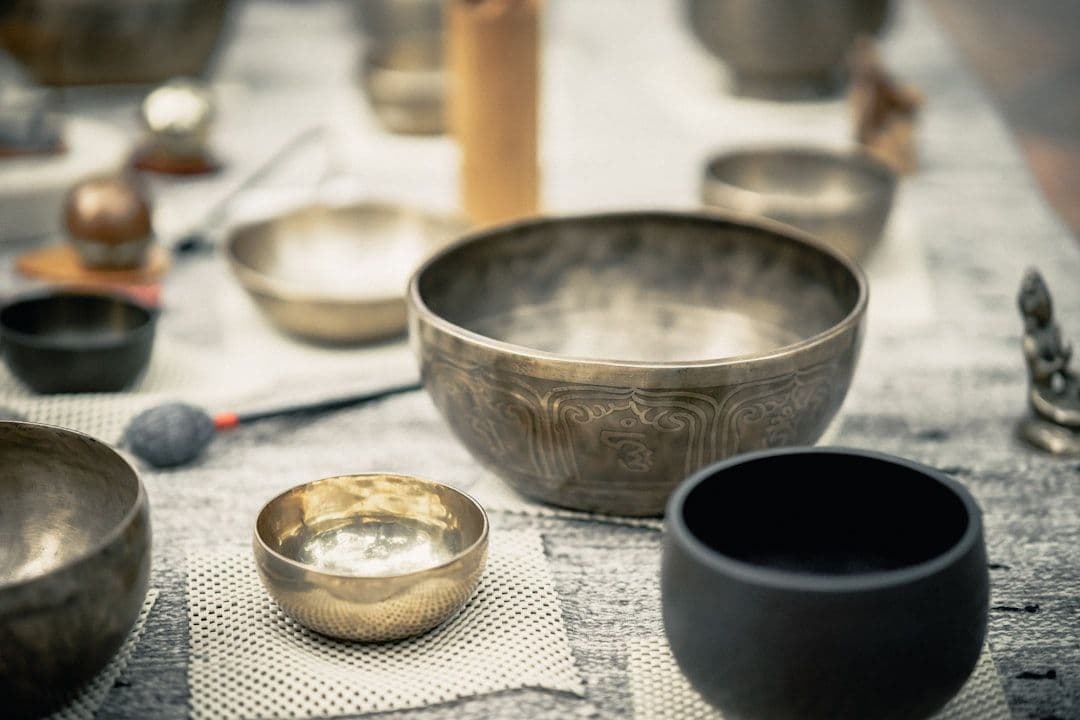
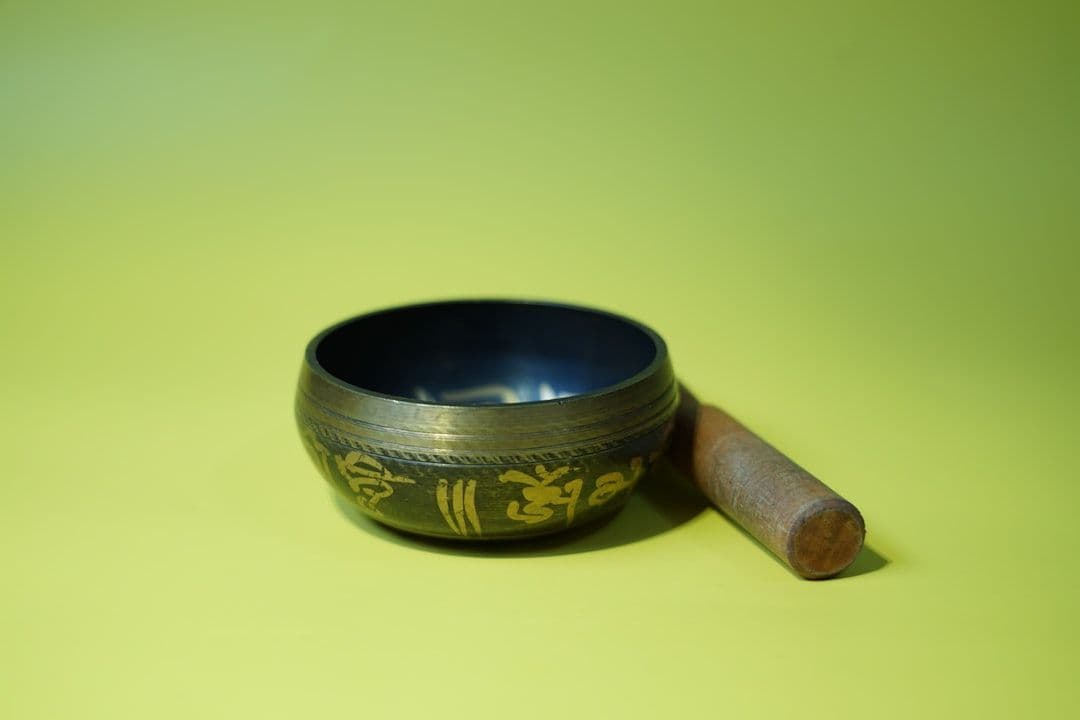
When a wooden mallet strikes the rim of a hand-hammered bronze bowl, the metal responds with layers of tone that seem to hang in the air long after the initial contact. The fundamental note emerges first, followed by a cascade of harmonics and overtones that create an almost tangible presence in the room. This is the signature of a genuine Tibetan singing bowl — not the mass-produced alternatives found in many shops, but vessels crafted according to traditional methods that produce complex, sustained resonance.
The sound penetrates beyond hearing into felt sensation. Practitioners and participants often describe experiencing the vibrations as much as hearing them, particularly when bowls are placed directly on the body or used in the intimate acoustics of a dedicated session room. The sustained nature of the sound creates what many describe as a cocoon of resonance that seems to slow time and quiet mental chatter.
Himalayan Origins and Sacred Context
Within Tibetan Buddhist and Bon traditions, singing bowls serve purposes that extend far beyond relaxation. Monasteries have used metal bowls for centuries to mark meditation periods, call communities to prayer, and accompany ritual practices. The seven-metal alloy traditionally used — gold, silver, mercury, copper, iron, tin, and lead — connects the bowls to planetary symbolism within Tibetan cosmology, though modern bowls more commonly contain bronze or brass for practical and safety reasons.
The practice emerged from a worldview where sound carries both physical and spiritual properties. Within these traditions, specific frequencies and sustained tones can influence consciousness, clear energetic blockages, and support contemplative states. This understanding positions singing bowl work not as a therapeutic intervention in the Western sense, but as a spiritual technology for working with awareness itself.
As the practice moved into Western wellness contexts, it evolved to emphasise relaxation and stress reduction whilst often maintaining connections to its contemplative roots. Modern practitioners may combine traditional Tibetan approaches with contemporary understanding of sound, vibration, and nervous system response.
Vibration as Gateway
From the Tibetan perspective, singing bowl practice works by harmonising subtle energies and supporting natural meditation states. The sustained tones create what practitioners describe as a vibrational field that can help settle both mind and body into deeper stillness. Different bowl sizes and metals produce distinct frequency ranges, allowing practitioners to work with various energetic qualities during sessions.
Modern practitioners often describe the mechanism through the lens of nervous system science. The sustained, complex tones may encourage parasympathetic activation — the rest-and-digest response that counters stress-driven sympathetic arousal. The repetitive, rhythmic nature of bowl sounds shares characteristics with other practices known to influence brainwave patterns, potentially promoting alpha and theta states associated with relaxation and meditative awareness.
The physical vibration component adds another dimension. When bowls are placed on or near the body, the metal's resonance creates subtle vibrations that some people experience as deeply soothing. This tactile element may enhance the auditory experience, creating what practitioners describe as full-body sound immersion.
Who Seeks the Singing Bowl
People drawn to singing bowl sessions often share certain characteristics: they respond well to meditative or contemplative practices, prefer non-verbal approaches to relaxation, or feel overwhelmed by talk-based therapies. The practice particularly appeals to those who find traditional seated meditation challenging but crave similar states of inner stillness.
Those experiencing chronic stress, sleep difficulties, or racing thoughts frequently report that bowl sessions provide respite in ways that other relaxation techniques haven't achieved. The enveloping nature of the sound seems to create permission for deep letting-go that some find difficult to access otherwise.
Individuals interested in Buddhist contemplative traditions or sound-based spiritual practices often seek singing bowls as an entry point into these ancient approaches to working with consciousness. The practice requires no specific beliefs or background knowledge, making it accessible whilst maintaining connections to its traditional roots.
What to Expect in Practice
Individual sessions typically begin with a brief conversation about intentions and any physical considerations. You'll usually lie fully clothed on a massage table or comfortable floor arrangement whilst the practitioner positions various bowls around you — some near your head, others by your feet or sides, and sometimes directly on your body if you're comfortable with contact.
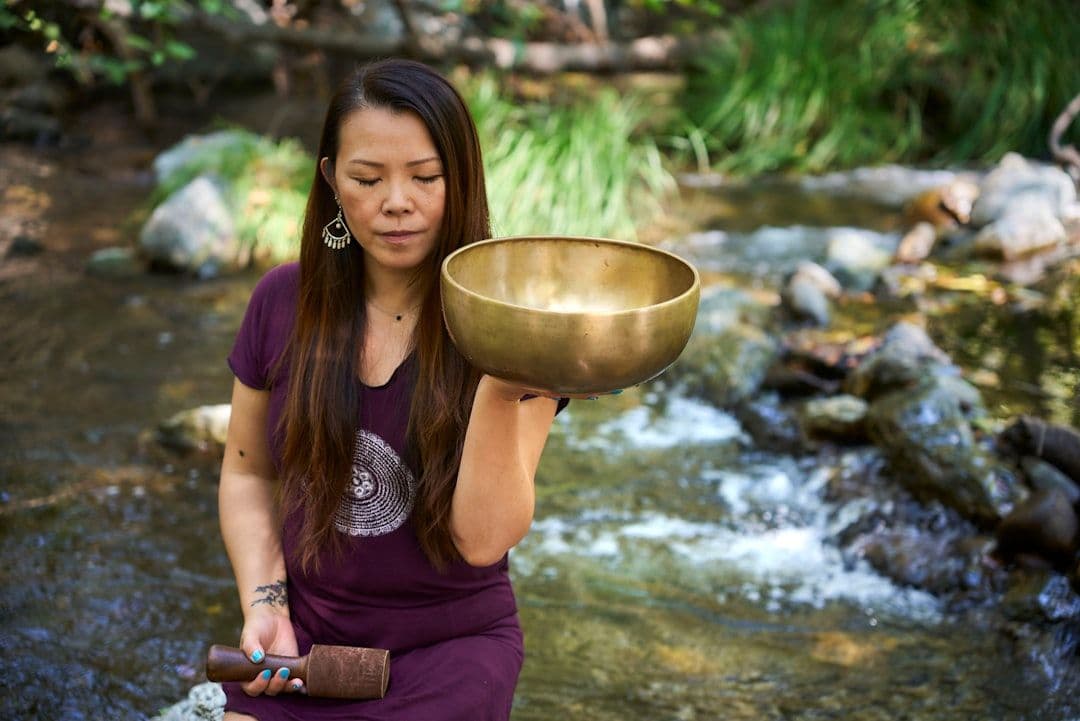
The practitioner uses different techniques to create sound: striking bowls with felt-covered mallets, running wooden implements around the rims to create sustained tones, or gently tapping to produce specific rhythms. Sessions often begin softly, building layers of sound before allowing natural fade-outs into periods of silence. Many people find themselves in deeply relaxed states that feel similar to the edge of sleep whilst remaining aware.
Group sessions or sound baths involve multiple participants lying on yoga mats whilst practitioners play various bowls, often combined with other instruments like gongs or chimes. These communal experiences can create powerful group resonance, with participants often reporting that the shared sound field enhances individual relaxation.
Sessions typically last 45 to 90 minutes, ending with several minutes of complete silence to allow integration of the experience. Many people feel profoundly relaxed afterwards, though some experience temporary emotional sensitivity or unusual dream patterns as part of the settling process.
Finding Authentic Practice
Group sound bath sessions typically cost £15-40, depending on location and venue. Individual sessions range from £50-90 for 60-90 minutes. Studios often offer introductory packages or sliding scale options for regular attendance.
Look for practitioners who understand the traditional context of singing bowl work, not just the relaxation applications. Many qualified practitioners have trained with Tibetan teachers or completed comprehensive sound healing programmes through organisations like the British Academy of Sound Therapy or the Sound Healers Association. Some combine singing bowl work with qualifications in meditation instruction, yoga, or complementary therapy.
Authentic practitioners will discuss the bowls they use — hand-hammered bowls from Nepal or Tibet produce distinctly different sounds than machine-made alternatives. They should also understand contraindications and be able to adapt sessions for different needs and sensitivities.
Many people begin with group sessions to experience the practice before committing to individual work. Regular monthly sessions often provide more cumulative benefit than occasional visits, particularly for those seeking to deepen contemplative practice rather than simply occasional relaxation.