A Living Tradition in Modern Switzerland
In Swiss clinics today, practitioners press their fingers to your pulse points, examine your tongue's colour and coating, and peer into your iris whilst asking detailed questions about your sleep patterns, food preferences, and emotional tendencies. They're not conducting a conventional medical assessment. They're reading your humoral constitution according to principles that Hippocrates outlined 2,500 years ago.
This is Traditional European Naturopathy (TEN), known in German as Traditionelle Europäische Naturheilkunde. Unlike the eclectic naturopathy familiar in Britain and America, TEN represents an unbroken thread of European medical thinking stretching from ancient Greece through medieval monasteries to contemporary Swiss practice. Since 2009, Switzerland has recognised TEN as one of four official complementary medicine systems, granting it the same regulatory status as Traditional Chinese Medicine and Ayurveda.
From Hippocratic Roots to Swiss Recognition
TEN emerges from the Hippocratic-Galenic medical tradition that dominated European healing for over two millennia. Medieval monasteries preserved and developed this knowledge, creating the extensive European herbal pharmacopoeia that TEN practitioners use today. Whilst biomedical thinking displaced humoral medicine in most of Europe, Swiss and German practitioners maintained these approaches, particularly through the influence of Sebastian Kneipp's 19th-century hydrotherapy revival.
The formal recognition of TEN in Switzerland represents more than historical preservation. It acknowledges that traditional European medicine offers a sophisticated diagnostic and therapeutic framework worthy of professional practice. This recognition required developing standardised training programmes, professional standards, and integration with the Swiss healthcare system.
The Four Temperaments in Practice
TEN operates through the classical framework of four humours (blood, yellow bile, black bile, phlegm) and their corresponding temperaments (sanguine, choleric, melancholic, phlegmatic). Each temperament exhibits particular physical characteristics, emotional tendencies, and disease patterns. A sanguine constitution tends towards heat and moisture, showing a ruddy complexion, sociable nature, and tendency towards inflammatory conditions. The melancholic temperament embodies cold and dryness, often presenting with darker colouring, introspective personality, and digestive challenges.
Practitioners assess your constitutional type through pulse diagnosis, observing twelve distinct pulse qualities that reveal humoral states. Tongue examination reveals colour, coating, and texture patterns. Iris analysis identifies constitutional markings and acquired changes. This comprehensive assessment reveals both your inherent temperament and current humoral imbalances requiring treatment.
From a biomedical perspective, TEN's constitutional assessment captures individual variations in metabolism, stress response, and physiological patterns that influence health and disease susceptibility. The humoral framework provides a systematic way of understanding these individual differences and tailoring treatment accordingly.
The Therapeutic Arsenal
TEN practitioners draw from four primary therapeutic modalities, each designed to restore humoral balance. European phytotherapy utilises the extensive Western herbal tradition, prescribing plants according to their energetic qualities rather than isolated active compounds. Warming herbs like ginger and cinnamon support cold, moist constitutions, whilst cooling plants such as violet and plantain calm hot, dry conditions.
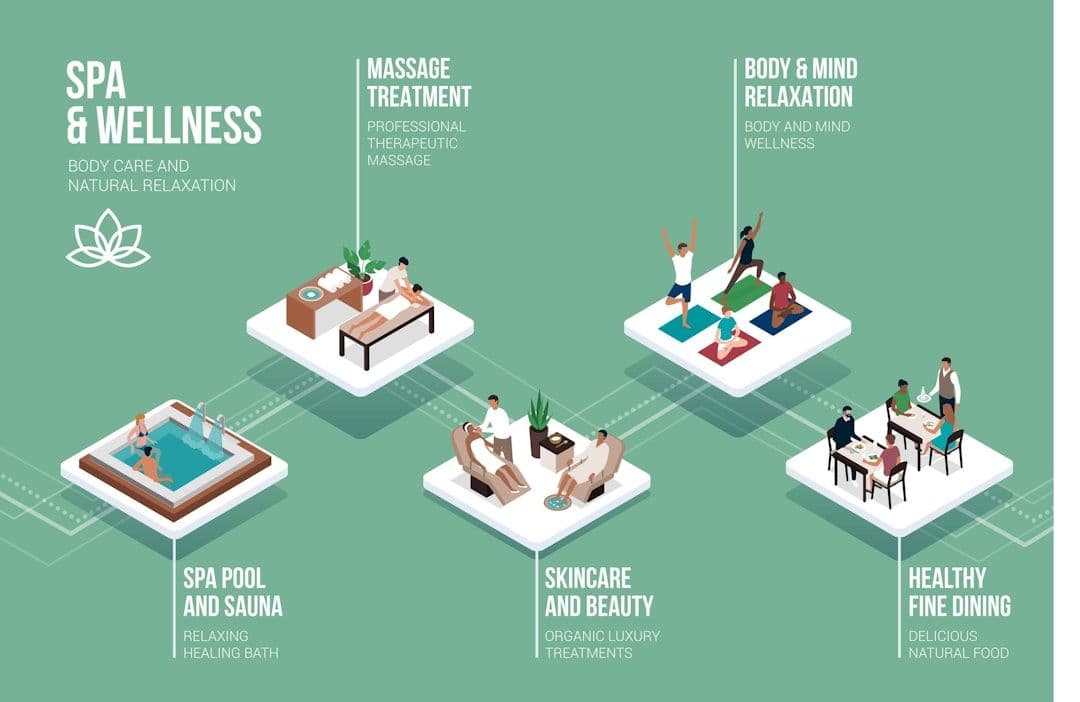
Kneipp-derived hydrotherapy forms a central pillar of TEN practice. Cold water applications reduce heat and inflammation, warm baths increase circulation and support cold constitutions, and alternating hot-cold treatments stimulate regulatory mechanisms. These aren't simply spa treatments but precisely prescribed therapeutic interventions.
Constitutional nutrition matches food energetics to individual needs. Heavy, warming foods support thin, cold constitutions, whilst light, cooling foods balance robust, heated temperaments. Manual therapies including massage and manipulation address structural aspects of humoral imbalance.
Who Seeks TEN Treatment
TEN appeals particularly to people with complex, chronic conditions that resist straightforward medical treatment. Someone with recurring digestive complaints might discover through constitutional assessment that their melancholic temperament requires warming herbs, specific dietary modifications, and hydrotherapy rather than symptom-suppressing medications.
People experiencing fatigue, mood changes, or stress-related symptoms often find TEN's holistic constitutional approach more satisfying than biomedical explanations focused on isolated symptoms. Those with strong connections to European heritage sometimes feel drawn to their ancestral healing traditions. The approach also attracts individuals who prefer natural therapeutic methods but want something more systematic than general wellness advice.
A TEN Consultation Experience
Your first TEN consultation typically lasts 90 minutes and begins with extensive constitutional questioning. The practitioner asks about your sleep patterns, temperature preferences, emotional tendencies, digestion, and family history. They observe your physical appearance, noting skin tone, body build, and energy patterns.
The diagnostic examination includes pulse reading at multiple points, detailed tongue inspection, and iris analysis using magnification. Some practitioners use additional traditional diagnostic methods such as facial analysis or hand examination. This assessment reveals your constitutional type and current humoral state.
Treatment planning emerges from this constitutional picture. You might receive herbal formulations tailored to your temperament, detailed dietary guidelines based on food energetics, specific hydrotherapy prescriptions for home use, and manual therapy recommendations. Follow-up appointments typically occur every 4-6 weeks to adjust treatments as your humoral balance shifts.
Finding Qualified TEN Practitioners
In Switzerland, TEN practitioners complete 3-4 year training programmes covering humoral theory, European phytotherapy, hydrotherapy, constitutional assessment, and clinical practice. Qualified practitioners hold federal diplomas in traditional European medicine.
Outside Switzerland, finding authentic TEN practitioners requires careful research. Look for training in classical humoral medicine, European phytotherapy, and constitutional assessment methods. Some practitioners train at Swiss institutions or through established German programmes. Membership in traditional medicine organisations may indicate appropriate qualifications.
Treatment costs vary considerably by location and practitioner experience. Initial consultations typically range from £80-150, with follow-up sessions costing £50-100. Herbal preparations add £30-80 monthly. Some practitioners offer reduced rates or payment plans. Swiss residents may receive partial insurance coverage for TEN treatments.