Before Your First Session
TM begins with a structured four-day course taught by certified instructors. You cannot learn authentic TM from books, videos, or apps—personal instruction is essential. Before attending, avoid alcohol for 15 days and recreational drugs for at least 15 days, as these can interfere with the learning process.
Wear comfortable clothing to your initial session. Bring six fresh flowers, three pieces of sweet fruit, and a clean white handkerchief—these are used in a brief traditional ceremony that honours the teaching lineage. The ceremony lasts about ten minutes and doesn't require you to adopt any beliefs or practices.
Arrive with realistic expectations. TM isn't about emptying your mind or achieving specific states. Your instructor will explain that the technique works naturally, without effort or concentration. Some people worry about "doing it wrong," but the method is designed to work effortlessly once properly learned.
Learning the Technique
Day one involves one-to-one instruction where you receive your personal mantra—a meaningless sound specifically selected for you. Your instructor will teach you the exact technique for using this mantra silently. This initial session lasts about an hour and includes your first 20-minute meditation.
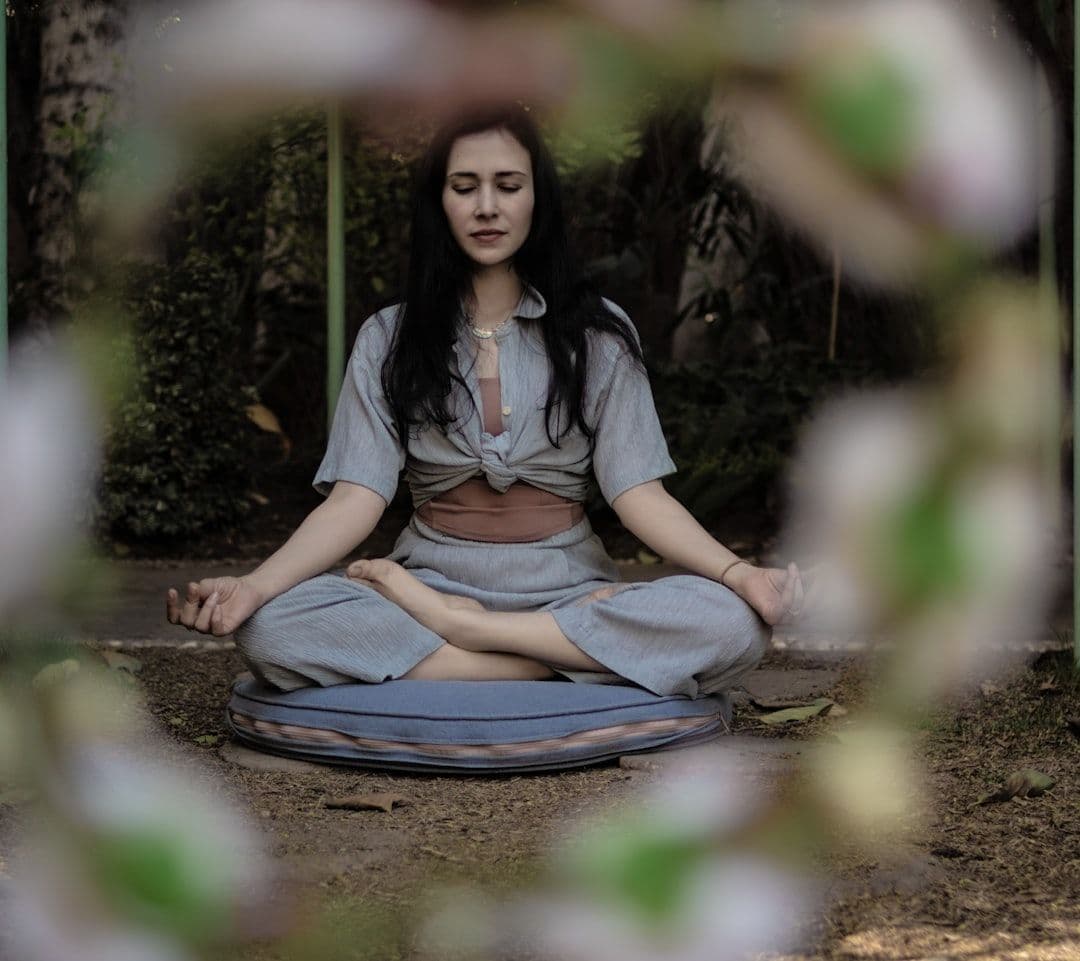
You'll sit comfortably in a chair with your eyes closed, silently repeating your mantra in a specific way. The instructor guides you through the process, ensuring you understand the effortless approach that characterises authentic TM. Unlike concentration techniques, you don't focus intensely on the mantra—instead, you use it as a gentle vehicle for the mind to settle.
Days two and three involve group sessions where you practice with other students and receive detailed knowledge about how TM works. Day four provides advanced techniques and understanding. Throughout this period, your instructor fine-tunes your practice and answers questions about your experiences.
What You Experience During Practice
During your 20-minute sessions, experiences vary considerably between people and even between different meditations. You might notice your breathing naturally becoming slower and more regular. Some people experience a sense of deep rest that feels different from sleep or ordinary relaxation.
Your mind will naturally produce thoughts during TM—this isn't a problem or failure. The technique specifically accommodates the mind's natural tendency to think. You might notice thoughts becoming quieter or more subtle, or you might have periods where you're less aware of thinking altogether. Some practitioners describe a sense of "pure awareness" without specific mental content.
Physical sensations can include a feeling of heaviness or lightness in the body, warmth, or subtle tingling. Occasionally, people experience spontaneous releases of stress through brief emotional responses, yawning, or slight muscle movements. These are normal signs that deep rest is dissolving accumulated tension.
After meditation, most people feel refreshed and alert—not drowsy as after a nap. This quality of "restful alertness" often carries into daily activities, with many practitioners noticing improved energy and mental clarity.
After Your Session
Immediately after meditation, sit quietly for two minutes before opening your eyes. Avoid rushing into activity—give yourself time to transition gradually back to normal awareness. Many instructors suggest gentle stretching or moving slowly for the first few minutes.
You'll practice TM twice daily: typically 20 minutes before breakfast and 20 minutes before dinner. Avoid meditating within two hours of eating, as digestion can interfere with the settling process. Don't meditate late at night, as the rest from TM might affect your sleep.
Some people notice benefits immediately, whilst others find effects develop gradually over weeks or months. Common early changes include feeling calmer, sleeping better, or having more energy. Research suggests that physiological benefits like reduced blood pressure typically emerge after several months of regular practice.
Monthly checking sessions with certified instructors are available indefinitely, providing ongoing support for your practice. These sessions help ensure your technique remains correct and address any questions that arise.
Building Your Practice
The standard TM course provides everything you need to establish an independent practice. Unlike some meditation approaches that require ongoing courses or retreats, TM is designed for regular home practice. Most people find a routine develops naturally within a few weeks.
Consistency matters more than perfection. If you miss a session, simply resume with the next scheduled meditation rather than trying to "make up" missed time. Many long-term practitioners report that the technique becomes more natural and effortless over months and years of regular practice.
Advanced programmes and retreats are available for those who want to deepen their understanding, but these are optional. The basic technique learned in the initial four-day course provides the foundation for lifelong practice. Your instructor will emphasise that TM works cumulatively—benefits typically increase with time and consistency rather than requiring advanced techniques or intensive practices.