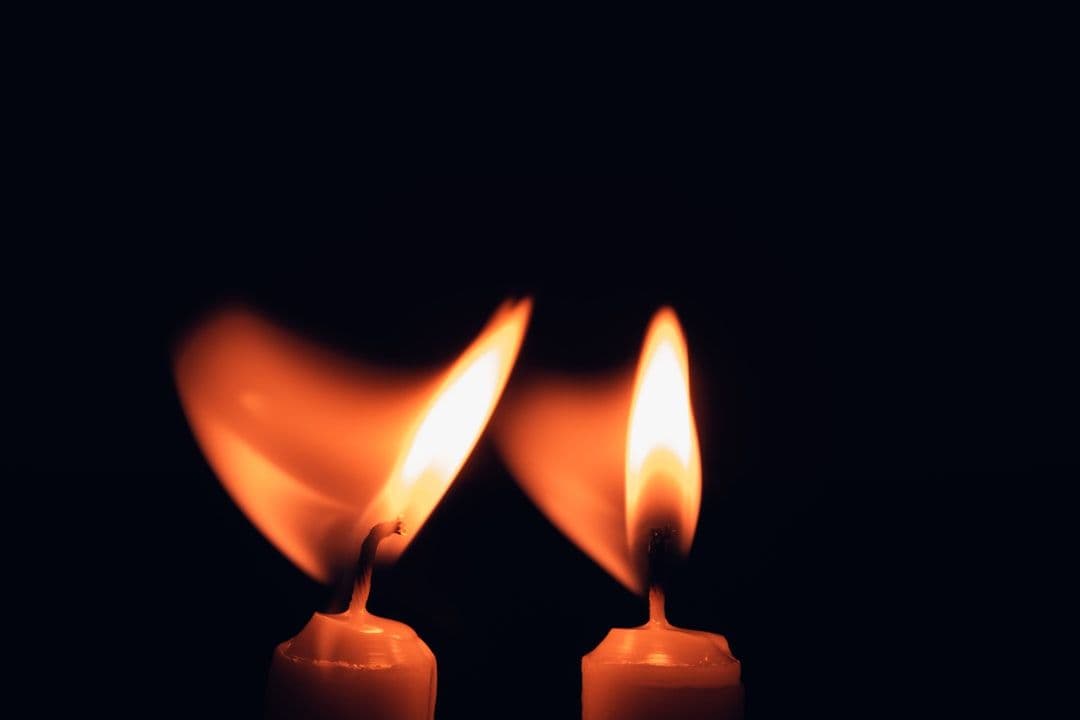
The Recognition That Changes Everything
Sarah describes the moment she met James as electric recognition—not attraction, but a startling sense of coming home to someone she'd never met. "It felt like looking into a mirror that showed not my face, but my essence," she explains. This intensity characterises what practitioners call Twin Flame connection: a metaphysical belief that two souls share an extraordinary bond, often described as two halves of one consciousness reunited in physical form.
Unlike soulmate concepts, which suggest many compatible souls, Twin Flame theory proposes each soul has only one such mirror—a spiritual counterpart that catalyses profound personal transformation. Practitioners describe this connection as immediately recognisable, intensely challenging, and ultimately aimed at spiritual evolution rather than comfortable companionship.
The concept has gained particular attention in contemporary spiritual communities, where individuals report experiencing relationships of unusual intensity and synchronicity. These connections often involve periods of separation and reunion, reflecting what practitioners call the "runner-chaser dynamic"—a pattern believed to trigger individual healing and growth.
From Ancient Mysticism to Modern Spirituality
The Twin Flame concept draws from multiple spiritual traditions, though no single historical source claims exclusive origin. Plato's "Symposium" describes soul-splitting, where Zeus divided humans into halves destined to seek reunion. Hindu traditions speak of Ardhanarishvara—the divine unity of masculine and feminine principles. Kabbalistic texts explore soul-splitting concepts within mystical frameworks.
Contemporary Twin Flame teachings emerged through 20th-century New Age spirituality, synthesising ancient wisdom with modern psychological language. Authors like Maureen St. Germain and Jeff and Shaleia Divine popularised structured approaches to understanding these connections. The concept gained broader recognition through spiritual teachers who positioned Twin Flame relationships as accelerated paths to enlightenment.
Today's practitioners blend traditional mystical concepts with contemporary spiritual psychology, creating frameworks that address both metaphysical connection and practical relationship dynamics. This evolution reflects broader trends in spiritual practice, where ancient wisdom adapts to modern contexts whilst maintaining its essential character.
The Spiritual Framework of Soul Recognition
Within the Twin Flame framework, souls incarnate separately to learn individual lessons before achieving reunion. Practitioners believe these souls share identical energetic signatures—like spiritual DNA—creating immediate recognition when they meet. This connection operates beyond physical attraction, encompassing mental, emotional, and spiritual resonance that practitioners describe as unmistakable.
The practice posits that Twin Flame relationships serve as spiritual mirrors, reflecting each person's deepest wounds and highest potentials. This mirroring effect, whilst potentially uncomfortable, catalyses healing of what practitioners call "core wounds"—fundamental emotional patterns that block spiritual growth. Unlike conventional relationship dynamics focused on compatibility, Twin Flame connections prioritise transformation.
Practitioners distinguish between the Twin Flame connection—the spiritual bond—and the relationship itself, which may or may not manifest romantically. Some believe Twin Flames may incarnate simultaneously without meeting physically, whilst others emphasise that the connection transcends traditional relationship structures. This framework positions union as an inner spiritual achievement rather than purely external romantic success.
Who Seeks Twin Flame Understanding
People exploring Twin Flame concepts typically report experiencing relationships of unusual intensity characterised by immediate recognition, synchronicities, and profound emotional impact. These individuals often describe feeling "different" in conventional relationships and seek frameworks that acknowledge their experiences of deep spiritual connection.
Those drawn to Twin Flame work frequently report heightened sensitivity to energy and intuition. Many have explored other spiritual practices and find themselves seeking understanding of connections that conventional relationship psychology doesn't fully address. Some are processing separations from intensely significant relationships that continue to feel spiritually relevant despite physical absence.
Individuals interested in accelerated spiritual growth also engage with Twin Flame concepts. They may view challenging relationship dynamics as opportunities for evolution rather than problems to solve. These practitioners often integrate Twin Flame understanding with other spiritual practices, seeing soul connection as one aspect of broader metaphysical development.
Exploring the Twin Flame Journey
Twin Flame practice typically begins with recognition—either of a current connection or retrospective understanding of past relationships. Practitioners then engage with various tools to explore and develop this understanding. Sessions might include guided meditation to connect with Twin Flame energy, energy clearing work to address what practitioners call "separation blocks," and spiritual counselling to navigate the emotional intensity these connections often generate.
Many practitioners work with spiritual counsellors who specialise in Twin Flame dynamics, combining metaphysical understanding with practical relationship guidance. These sessions address both the spiritual aspects of connection and the human challenges of navigating intense relationships. Some practitioners engage in solo work, using meditation, journaling, and energy practices to develop inner union—the spiritual achievement believed to precede physical reunion.
Group workshops and online communities provide additional support, where individuals share experiences and learn from others on similar journeys. These gatherings often focus on personal development rather than achieving specific relationship outcomes, emphasising that Twin Flame work ultimately serves individual spiritual evolution.
Finding Qualified Twin Flame Guidance
Effective Twin Flame practitioners typically combine spiritual training with solid grounding in healthy relationship dynamics. Look for practitioners who emphasise personal growth over romantic outcomes and who address both spiritual connection and practical relationship skills. Many qualified practitioners hold credentials in counselling or coaching alongside their spiritual training.
Sessions with Twin Flame practitioners range from £60-£150, with ongoing support packages available. Initial consultations often last 90 minutes to allow for thorough exploration of your specific situation. Practitioners may offer combination approaches, integrating Twin Flame understanding with energy healing, spiritual counselling, or relationship coaching.
When selecting a practitioner, prioritise those who encourage healthy boundaries and individual development. Avoid practitioners who claim exclusive knowledge of your Twin Flame identity or who promise guaranteed reunion timelines. The most effective practitioners will support your spiritual exploration whilst maintaining practical wisdom about healthy relationship dynamics and personal wellbeing.