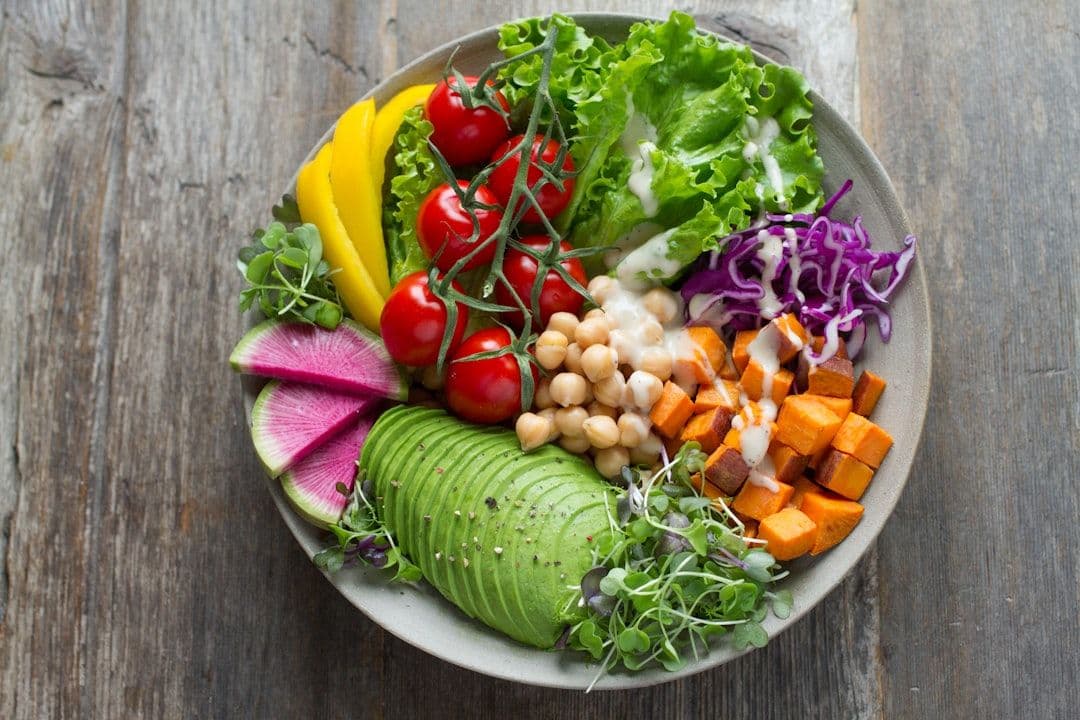
What Vegetarian Eating Actually Involves
Walk into any modern supermarket and you'll find shelves lined with products labelled 'vegetarian' — from highly processed burgers that bleed to simple lentil soups your grandmother might recognise. This contrast captures something essential about contemporary vegetarianism: it's less about what you avoid than what you choose to embrace.
Vegetarian diets centre on plant foods — vegetables, fruits, grains, legumes, nuts, and seeds — whilst excluding animal flesh. The spectrum ranges from lacto-ovo vegetarians who include dairy products and eggs, to stricter approaches that eliminate all animal-derived ingredients. Some people adopt partial vegetarianism, perhaps avoiding red meat whilst occasionally eating fish or poultry.
What distinguishes successful vegetarian eating from merely 'meat-free' eating is intentionality. Rather than simply removing animal products, effective vegetarian diets actively incorporate diverse protein sources, ensure adequate nutrition, and often emphasise whole foods over processed alternatives.
Historical Roots and Modern Evolution
Vegetarianism has ancient roots spanning multiple cultures and philosophies. Hindu, Buddhist, and Jain traditions have practised plant-based eating for millennia, often linked to principles of non-violence and spiritual development. Ancient Greek philosophers including Pythagoras advocated meat-free diets, giving rise to the term 'Pythagorean diet'.
The modern Western vegetarian movement emerged in the 19th century, initially driven by moral and health concerns. The Vegetarian Society, founded in Manchester in 1847, helped establish vegetarianism as a legitimate dietary choice rather than an eccentric practice. Early advocates included notable figures like George Bernard Shaw and Mahatma Gandhi.
Today's vegetarianism reflects diverse motivations: health optimisation, environmental concerns, animal welfare, and religious beliefs. This plurality has driven innovation in plant-based foods and expanded cultural acceptance, making vegetarian options increasingly mainstream rather than alternative.
How Plant-Based Nutrition Works
From a nutritional perspective, vegetarian diets work by replacing animal proteins with plant-based alternatives whilst potentially increasing fibre, antioxidants, and phytonutrient intake. Legumes, nuts, seeds, and whole grains provide complete amino acid profiles when consumed in variety, supporting muscle maintenance and metabolic function.
The cardiovascular benefits appear to stem from multiple mechanisms. Plant foods are naturally free from cholesterol and typically lower in saturated fat. They're rich in soluble fibre, which binds cholesterol in the digestive system, and contain plant stanols that compete with cholesterol absorption. The potassium content in many plant foods supports healthy blood pressure regulation.
Weight management benefits often result from increased satiety through higher fibre intake and lower caloric density of many plant foods. However, this isn't automatic — vegetarian diets heavy in processed foods, refined grains, or high-fat dairy products may not confer these advantages. Success depends on emphasising nutrient-dense whole foods rather than simply avoiding meat.
Who Benefits Most from Vegetarian Approaches
People with elevated cardiovascular risk factors often see meaningful improvements from well-planned vegetarian diets. Those with high cholesterol, hypertension, or family histories of heart disease may find this approach particularly valuable, especially when combined with other lifestyle modifications.
Individuals managing type 2 diabetes frequently benefit from the improved insulin sensitivity associated with high-fibre, low-glycaemic plant foods. The weight management potential of vegetarian diets can support better blood sugar control, though this requires careful carbohydrate planning rather than assuming all plant foods are automatically beneficial.
Those seeking sustainable approaches to weight management often find vegetarian diets helpful, particularly if they previously relied heavily on processed meats or high-calorie animal products. The emphasis on cooking skills and meal planning that vegetarianism often requires can support long-term dietary changes beyond simply changing protein sources.
Making the Transition Practical
Successful vegetarian adoption typically begins gradually rather than overnight. Many people start with 'Meatless Monday' approaches or replace one animal protein meal daily with plant alternatives. This allows time to develop new cooking skills, discover preferred protein sources, and adjust palate preferences without feeling deprived.
Meal planning becomes crucial for nutritional adequacy. A typical day might include porridge with nuts and fruit for breakfast, a lentil and vegetable soup with wholemeal bread for lunch, and a chickpea curry with brown rice for dinner. Snacks might feature hummus with vegetables, mixed nuts, or fruit.
Many newcomers benefit from consulting registered dietitians, particularly during the first few months. Professional guidance helps identify potential nutritional gaps, suggests appropriate supplements (B12 is typically necessary), and provides personalised meal planning based on individual preferences, cooking abilities, and health goals.
Research Evidence and Limitations
Large-scale population studies, including the EPIC-Oxford cohort and Adventist Health Studies, consistently demonstrate reduced cardiovascular disease risk among vegetarians. Meta-analyses suggest 25-30% lower rates of coronary heart disease and significant reductions in blood pressure and cholesterol levels.
Weight loss studies show modest but consistent advantages for vegetarian approaches, with systematic reviews indicating 2-4kg greater weight loss compared to omnivorous diets over 6-12 month periods. However, this advantage diminishes when studies control for total caloric intake, suggesting the benefit comes primarily from reduced caloric consumption rather than metabolic advantages.
The evidence has important limitations. Many studies compare health-conscious vegetarians to average omnivores, potentially overestimating benefits attributable to meat avoidance alone. Long-term adherence data suggests significant dropout rates, and nutritional deficiency risks — particularly B12, iron, and omega-3 fatty acids — require ongoing monitoring. Individual responses vary considerably based on baseline health, genetic factors, and overall diet quality.
Getting Started: Practical Considerations
Transitioning to vegetarian eating requires minimal financial investment — plant proteins like lentils and beans cost significantly less than meat. Weekly grocery expenses often decrease, though this depends on whether you choose whole foods or expensive meat alternatives. Budget £30-50 weekly for a varied, nutritionally complete vegetarian diet for one person.
Initial consultation with a registered dietitian costs £50-80 but can prevent costly nutritional mistakes. The Association for Nutrition maintains registers of qualified practitioners. Many people benefit from 2-3 sessions over the first six months to establish sustainable patterns and monitor nutritional status.
Supplementation typically includes vitamin B12 (10-25 micrograms daily) and potentially iron or omega-3 fatty acids based on individual needs. Blood tests at 6 and 12 months help identify any developing deficiencies early. Many GP practices can arrange these as part of routine health monitoring, particularly if you mention dietary changes during consultations.