The Flow That Connects Breath to Movement
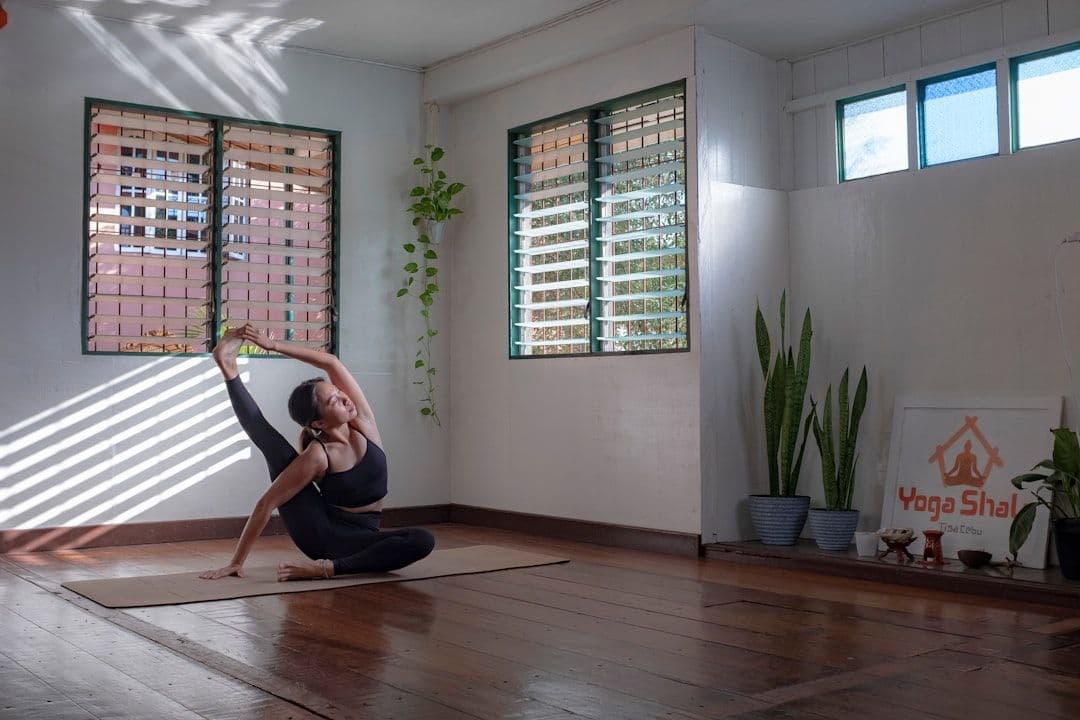
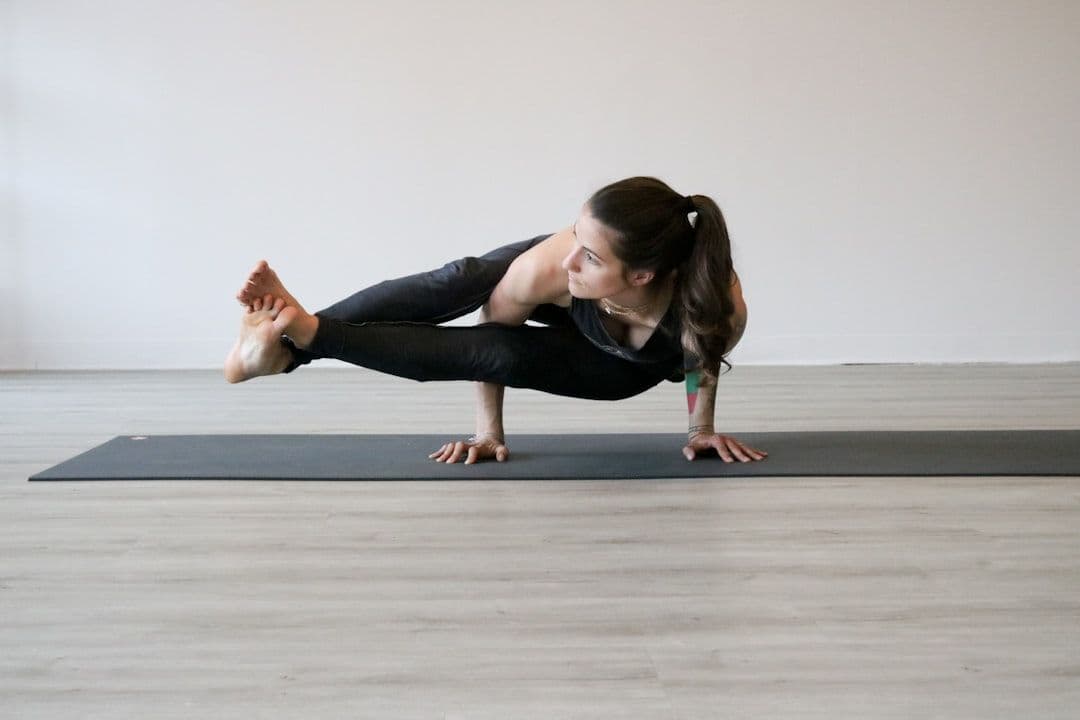
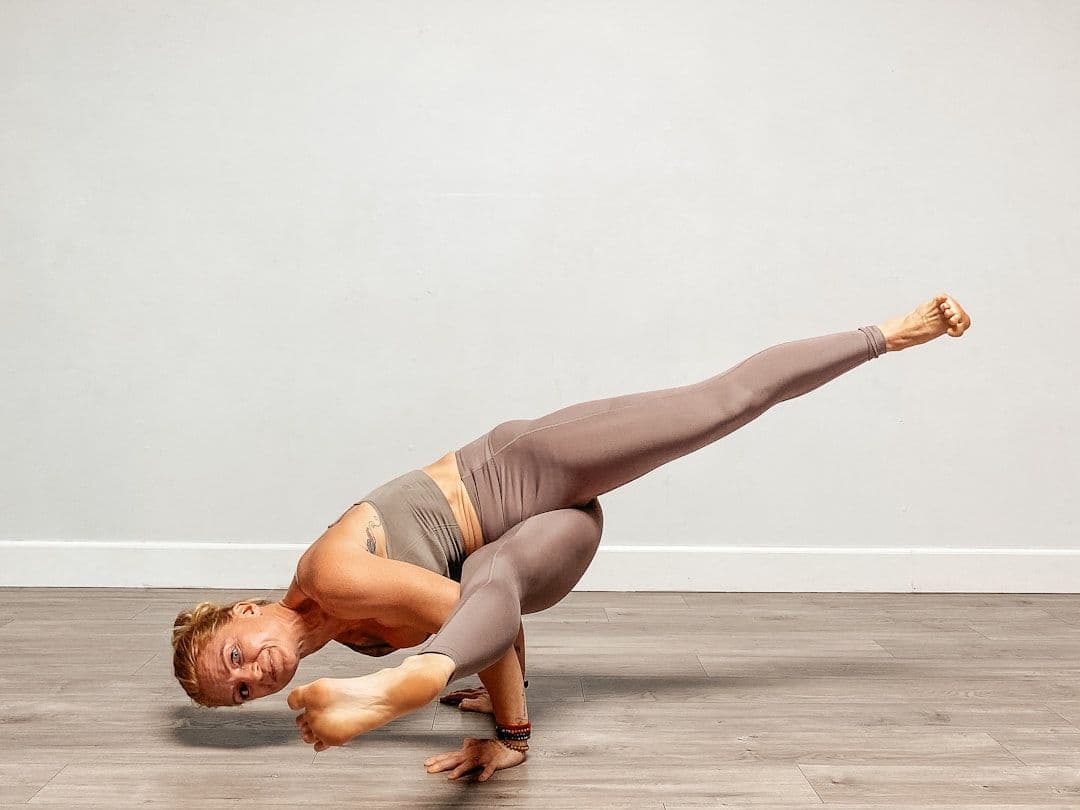
Watch a Vinyasa class and you'll see bodies moving like water - flowing from downward dog to plank to cobra in one continuous sequence, each transition timed to an inhale or exhale. This is the essence of Vinyasa: breath-synchronised movement that creates heat, builds strength, and focuses the mind through what practitioners call 'flowing meditation'.
Unlike static yoga poses held for minutes, Vinyasa sequences link postures together in choreographed flows. The Sanskrit term 'vinyasa' translates to 'to place in a special way', referring to the deliberate sequencing of poses. Most classes centre around variations of sun salutations - flowing sequences that warm the body and establish the rhythm of breath and movement.
The practice generates internal heat through sustained movement, making it more cardiovascularly demanding than slower yoga styles. Your heart rate elevates, muscles engage dynamically rather than isometrically, and the continuous flow requires sustained attention - creating what many describe as moving meditation.
From Ancient Roots to Modern Studios
Vinyasa emerged from the ancient Ashtanga system taught by Sri K. Pattabhi Jois in Mysore, India. Ashtanga follows six fixed sequences of poses, but Western teachers began adapting these into more flexible, creative flows during the 1980s and 1990s. Teachers like Shiva Rea, Seane Corn, and Baron Baptiste developed distinct approaches that maintained the breath-movement connection whilst allowing for sequence variation.
This evolution transformed Vinyasa into one of the most popular yoga styles in Western studios. Unlike traditional Ashtanga's rigid structure, modern Vinyasa allows teachers to create unique sequences whilst maintaining the fundamental principle of breath-synchronised movement. The practice has continued evolving, incorporating influences from dance, fitness, and therapeutic movement to appeal to diverse populations seeking both physical conditioning and mindfulness training.
How Flowing Movement Works on Body and Mind
Vinyasa works through several physiological mechanisms that distinguish it from both static stretching and conventional exercise. The continuous movement combined with deep breathing activates the parasympathetic nervous system whilst simultaneously providing cardiovascular conditioning - a unique combination that can reduce stress whilst building fitness.
The breath-movement coordination requires sustained attention, naturally drawing focus away from mental chatter and towards present-moment awareness. This differs from seated meditation, where the mind often wanders more easily. The physical challenge of maintaining flow provides an anchor for attention that many find more accessible than traditional mindfulness practices.
Physiologically, the practice builds both cardiovascular endurance and muscular strength through dynamic resistance. Moving through sequences creates eccentric muscle contractions that build functional strength, whilst the flowing transitions challenge proprioception and balance. The heat generated through movement increases tissue pliability, allowing for safer, deeper stretches than cold static poses.
What Research Reveals About Vinyasa's Effects
Studies consistently demonstrate Vinyasa yoga's effectiveness for improving physical fitness markers. A 2016 systematic review found significant improvements in muscular strength, endurance, and flexibility after 8-12 weeks of regular practice. Research shows comparable cardiovascular benefits to moderate-intensity exercise, with heart rates typically reaching 60-80% of maximum during vigorous flows.
The evidence for psychological benefits is more mixed but promising. Several controlled trials suggest regular Vinyasa practice can reduce symptoms of anxiety and depression, though effect sizes are generally modest. A 2017 study found that 12 weeks of Vinyasa yoga significantly improved mood and reduced perceived stress compared to stretching controls, though the mechanisms remain unclear.
What's particularly interesting is emerging research on Vinyasa's effects on interoception - awareness of internal bodily signals. Studies suggest the breath-movement coordination may enhance body awareness more effectively than either exercise or meditation alone, though this research is still in early stages and requires replication in larger samples.
What to Expect in a Vinyasa Class
A typical 60-90 minute Vinyasa class begins with centering and breath awareness, progressing through gentle warm-up movements before building to more dynamic sequences. The teacher will guide you through flowing combinations, often returning to familiar patterns like sun salutations between more complex poses.
The pace varies considerably between teachers and class levels. 'Slow flow' classes hold poses for 3-5 breaths with gentle transitions, whilst 'power vinyasa' moves quickly with challenging poses requiring significant strength. Most classes include standing sequences for strength and balance, seated poses for flexibility, and end with relaxation.
Expect to sweat - the continuous movement generates considerable heat, especially in heated studios. You'll likely feel challenged both physically and mentally, as maintaining the breath-movement rhythm whilst executing poses requires concentration. Many students report feeling simultaneously energised and relaxed after class, though this can take several sessions to achieve as you become familiar with the flow patterns.
Finding Qualified Instruction and Getting Started
Vinyasa requires proper instruction more than slower yoga styles due to the injury risk from poor alignment in dynamic movement. Look for teachers with recognised 200-hour or 500-hour certifications from established programmes. In the UK, many qualified instructors are registered with the CNHC or hold credentials through Yoga Alliance Professionals.
Class costs typically range from £12-20 per session in studios, with unlimited monthly memberships around £80-120. Many studios offer introductory packages or sliding scale pricing. Online platforms provide more affordable options (£10-20 monthly), though in-person instruction is advisable initially for alignment guidance.
Start with 'beginner flow' or 'gentle vinyasa' classes 2-3 times weekly. Avoid advanced classes until you're comfortable with basic poses and can maintain breath awareness throughout sequences. Consider private sessions if you have specific physical limitations or learn better with individual attention. Remember that building the strength and coordination for smooth flows takes time - expect several months of regular practice before feeling truly comfortable with the rhythmic patterns.