Preparing for Your Visit
Wear comfortable, loose-fitting clothing that allows easy access to your abdomen and back. A two-piece outfit works best, as you may need to remove your top whilst keeping undergarments on. Avoid eating a large meal for at least two hours beforehand — your practitioner needs to palpate your abdomen, and a full stomach makes this assessment difficult.
Bring a list of current medications, recent surgeries, or significant health events. Your practitioner will want to know about any abdominal procedures, chronic conditions, or areas of particular concern. If you're menstruating, mention this during your consultation, as it can affect tissue sensitivity.
Avoid alcohol for 24 hours before your session, as it can interfere with your body's responses to the gentle manipulations. Some practitioners also suggest drinking plenty of water in the days leading up to treatment to help facilitate tissue mobility.
The Treatment Process
Your session begins with a detailed consultation lasting 15-20 minutes. Your practitioner will ask about your medical history, current symptoms, and what you hope to achieve. They'll explain their approach and answer any questions before starting the hands-on work.
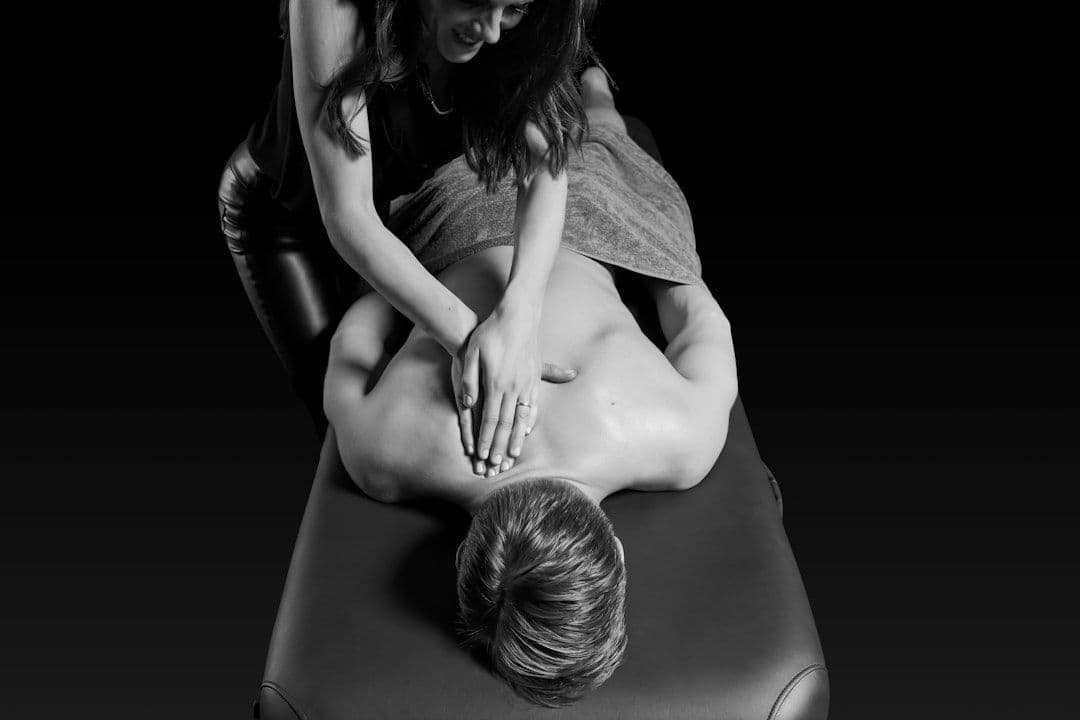
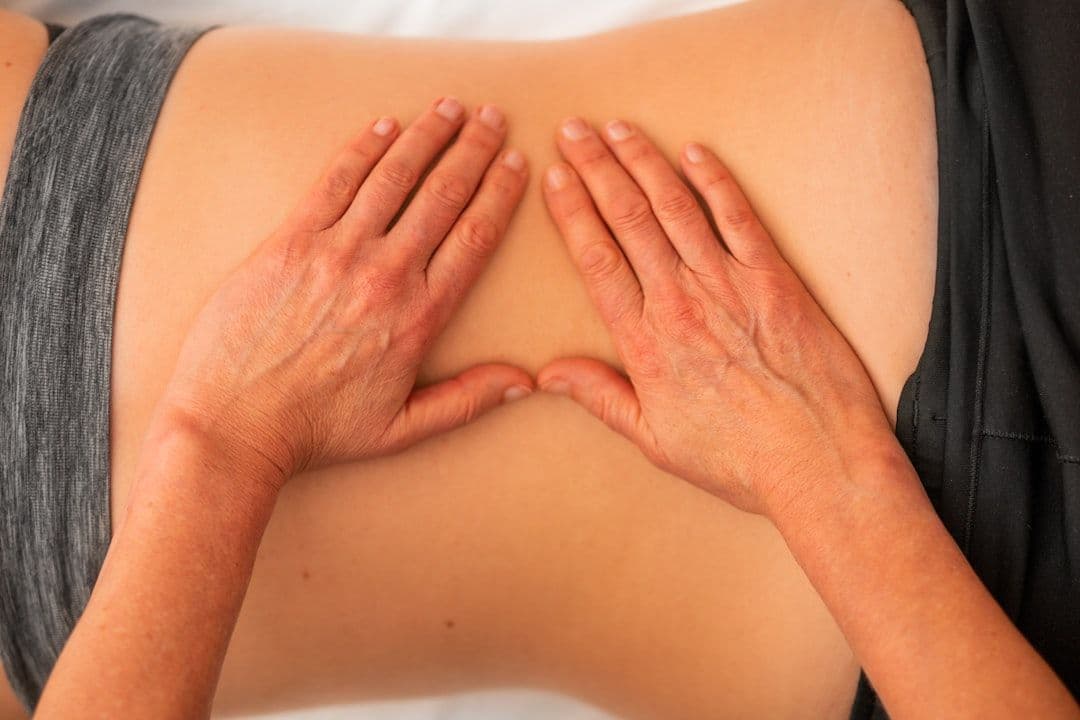
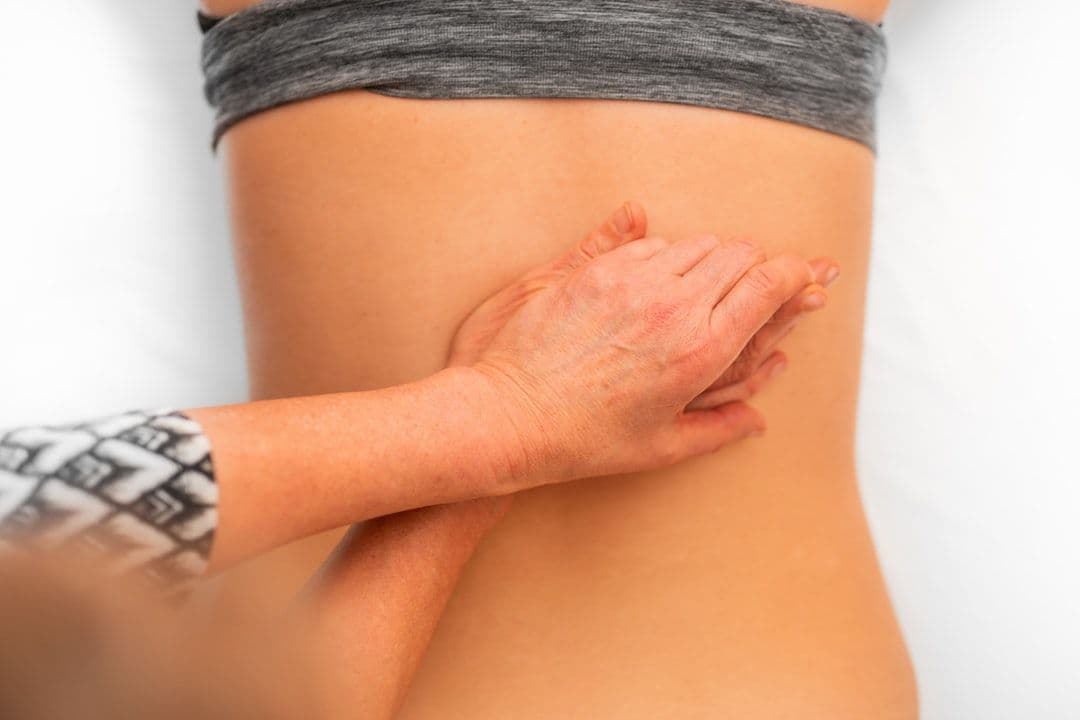
The physical assessment starts with you lying comfortably on a treatment table, usually on your back. Your practitioner places their hands gently on your abdomen, beginning with very light contact to assess tissue quality and organ mobility. This isn't massage — the touch is subtle, more like gentle listening with their hands.
Using slow, methodical palpation, they'll work systematically through different areas of your torso. You might feel gentle pressure that seems to follow the natural rhythm of your organs. Sessions typically last 45-60 minutes, with most of this time spent in quiet, focused manual work. The practitioner may ask you to breathe in specific ways or shift position slightly to facilitate their assessment.
Sensations During and After Treatment
During the session, you might experience subtle sensations that feel quite different from conventional massage. Many people describe feeling gentle movement or shifting deep within their abdomen, sometimes accompanied by soft gurgling sounds as organs resettle. Some report a sense of warmth or tingling in areas being worked on.
Emotional responses can occur unexpectedly. You might feel tearful, deeply relaxed, or experience memories surfacing — practitioners explain this as the body releasing stored tension. Others feel very little during treatment but notice changes in the following days.
After your session, you may feel deeply relaxed or somewhat unsettled as your body adjusts. Some people experience temporary changes in digestion, sleep patterns, or emotional state. Mild fatigue is common on the day of treatment, whilst others report feeling more energised.
Effects typically develop gradually over 48-72 hours rather than immediately. You might notice improved breathing, better digestion, or reduced tension in areas that seemed unrelated to where you were touched.
Post-Session Care and Recovery
Drink plenty of water in the hours following treatment to support your body's natural processes. Avoid intense exercise or heavy meals for the rest of the day, allowing your system to integrate the subtle changes that have occurred.
Pay attention to any shifts in how your body feels over the next few days. Keep a brief note of changes in sleep, digestion, pain levels, or mobility — this information helps your practitioner assess your response and plan future sessions.
Some practitioners recommend gentle movement like walking or light stretching, whilst others suggest rest. Follow your body's cues rather than forcing activity if you feel tired. Avoid alcohol for 24 hours post-treatment, as it can interfere with your body's healing responses.
Contact your practitioner if you experience concerning symptoms or have questions about what you're feeling. Mild temporary changes are normal, but severe or persistent discomfort warrants professional advice.
Treatment Frequency and Expectations
Most practitioners recommend starting with 3-4 sessions spaced 7-14 days apart to allow proper assessment of your body's response. Unlike some therapies where effects are immediately apparent, visceral manipulation often works cumulatively, with benefits building over several treatments.
Your practitioner will reassess your progress after the initial series and discuss whether additional sessions would be beneficial. Some people find significant improvement within a few treatments, whilst others may need ongoing support for chronic conditions.
Maintenance sessions might be suggested monthly or quarterly, depending on your individual response and health goals. The gentle nature of this work means it's generally safe to receive regularly, though the frequency should always be tailored to your specific needs and how your body responds to treatment.