The Theatre of the Mind
Close your eyes and imagine biting into a fresh lemon. Many people immediately notice their mouth watering, their face puckering slightly. This automatic response demonstrates something remarkable: your brain processes imagined experiences using many of the same neural pathways as real ones.
Visualisation harnesses this principle deliberately. A practitioner guides you through detailed mental scenarios—perhaps walking through a peaceful forest, feeling warm sand beneath your feet, or rehearsing a successful presentation. These aren't daydreams or wishful thinking, but structured exercises designed to engage your sensory imagination as vividly as possible.
The technique operates on the premise that what you visualise repeatedly, your nervous system begins to accept as familiar. Athletes have used this principle for decades, mentally rehearsing perfect performances. Pain clinics employ it to help patients create mental 'safe spaces' where discomfort diminishes.
From Ancient Practices to Modern Applications
Mental imagery has roots in multiple traditions. Tibetan Buddhist meditation includes elaborate visualisation practices, whilst ancient Greek physicians like Galen recognised the connection between imagination and physical health. Indigenous healing traditions worldwide have long incorporated guided imagery in ceremonial contexts.
Modern clinical visualisation emerged in the 1970s through the work of psychologists like Edmund Jacobson and Carl Simonton. Jacobson developed progressive muscle relaxation combined with imagery, whilst Simonton pioneered visualisation techniques for cancer patients. The approach gained credibility as neuroscience began mapping how mental images activate brain regions involved in sensory processing, emotion, and memory.
Today's practice blends these influences. Sports psychologists work with Olympic athletes, pain specialists teach visualisation in chronic disease programmes, and stress management courses routinely include guided imagery components.
How Mental Images Shape Physical Experience
When you visualise, multiple brain networks activate simultaneously. The visual cortex processes imagined sights, whilst areas governing other senses contribute sounds, textures, and even smells to your mental scene. This widespread neural activity can trigger measurable physiological changes.
Research consistently shows that guided imagery can lower cortisol levels, reduce heart rate, and decrease muscle tension. Brain imaging studies reveal that imagining movement activates motor cortex regions similarly to actually performing those movements. This overlap explains why mental rehearsal improves actual performance and why visualising peaceful scenes can genuinely calm the nervous system.
The relaxation response triggered by effective visualisation appears to shift the autonomic nervous system from sympathetic dominance (fight-or-flight) toward parasympathetic activation (rest-and-digest). This change supports healing, improves sleep quality, and enhances immune function.
What Happens During Visualisation Practice
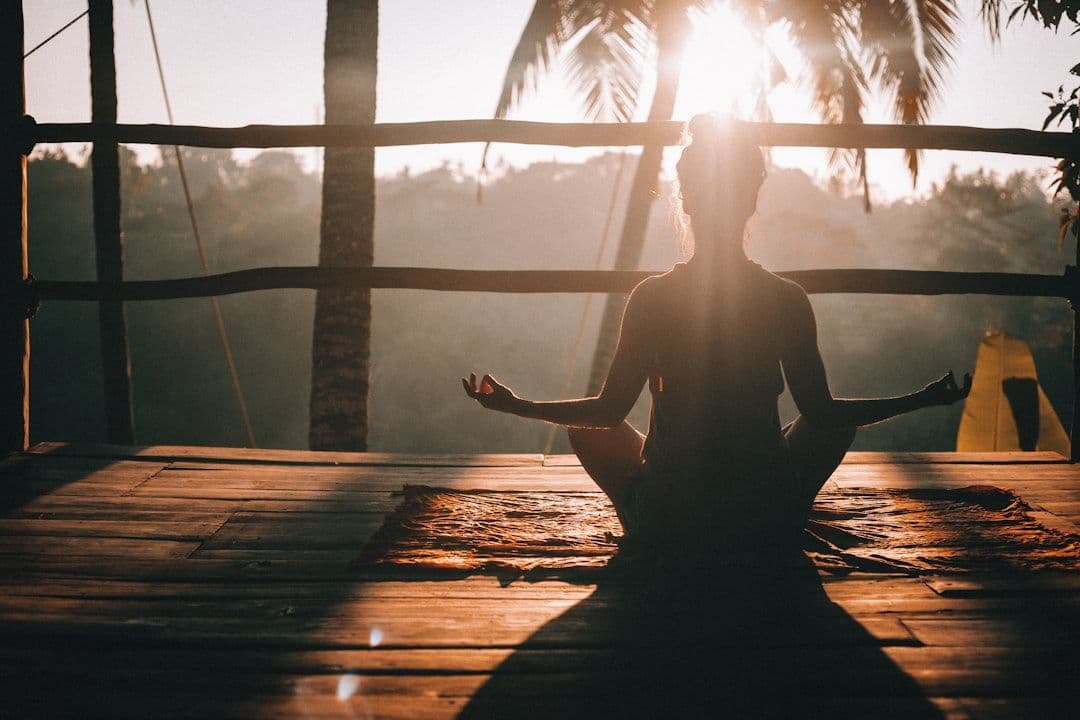
A typical session begins with settling into a comfortable position, usually lying down or seated with eyes closed. The practitioner speaks in a calm, measured pace, guiding you through initial relaxation—perhaps focusing on breath or progressively releasing muscle tension.
Once relaxed, the imagery portion begins. For stress relief, you might be guided to a personal sanctuary—a beach, mountain meadow, or cosy room. The practitioner helps you build this scene with sensory details: the warmth of sunlight, the sound of waves, the scent of pine trees. You're encouraged to explore this space, noticing textures, colours, and sounds.
For goal-oriented visualisation, the focus shifts to mental rehearsal. Athletes might visualise perfect technique, professionals might rehearse confident presentations, or patients might imagine their body healing. The key is engaging fully with the imagined experience, making it as vivid and detailed as possible.
Sessions typically last 20-45 minutes, ending with a gradual return to normal awareness. Many practitioners provide recordings for home practice, as regular repetition tends to enhance effectiveness.
The Research Landscape
Clinical trials consistently demonstrate visualisation's effectiveness for stress reduction, with studies showing significant decreases in anxiety scores and stress hormone levels. A 2019 systematic review found guided imagery reduced anxiety in medical settings, with effect sizes comparable to some pharmaceutical interventions.
Pain management research is particularly promising. Studies with cancer patients, arthritis sufferers, and post-surgical populations show meaningful pain reduction following visualisation training. Brain imaging reveals that these techniques can actually alter pain processing in the central nervous system, not merely provide distraction.
However, the evidence has notable limitations. Many studies involve small sample sizes, and there's significant individual variation in response. People with naturally vivid mental imagery tend to experience stronger benefits, whilst those who struggle to create mental pictures may find the technique less helpful. The quality of guidance also appears crucial—expert-led sessions typically produce better outcomes than self-directed practice alone.
Practical Considerations
Individual sessions with qualified practitioners typically cost £40-80, whilst group workshops range from £15-30 per session. Many NHS pain clinics and stress management programmes include guided imagery at no additional cost. Audio programmes and apps provide budget-friendly alternatives, though personal guidance often proves more effective initially.
Look for practitioners with recognised training through organisations like the CNHC or specific imagery therapy qualifications. Many clinical psychologists, counsellors, and complementary therapists incorporate visualisation into their practice. Hypnotherapists often have particularly relevant skills, as the techniques share common foundations.
Effectiveness varies considerably between individuals. Some people notice immediate relaxation and stress relief, whilst others require weeks of regular practice to experience benefits. Those who struggle with mental imagery might explore movement-based alternatives like tai chi or walking meditation. For best results, commit to practising several times weekly rather than expecting dramatic change from occasional sessions.