Before You Arrive
Eat a light meal 2-3 hours beforehand. An empty stomach can trigger nausea or dizziness when nutrients enter your system rapidly, whilst being overly full might cause discomfort whilst lying back. Drink plenty of water in the hours leading up to your appointment - good hydration makes veins more accessible and reduces the likelihood of feeling lightheaded.
Wear comfortable, loose-fitting clothing with sleeves that roll up easily past your elbow. You'll be reclining for up to 90 minutes, so choose something you'd be happy sitting in for a long film. Bring a book, tablet, or podcasts - most clinics have WiFi, but having your own entertainment helps time pass more pleasantly.
Avoid alcohol for 24 hours prior, as it can affect how your body processes certain vitamins and may increase the risk of side effects. If you take regular medications, continue as normal unless specifically advised otherwise during your consultation. List any supplements you're currently taking - some nutrients can interact or create excessive levels when combined with IV therapy.
The Consultation and Setup
Your session begins with a brief medical review, even if you've completed forms online. The practitioner will discuss your health goals, current symptoms, and medical history to determine the most appropriate nutrient blend. This conversation typically lasts 10-15 minutes and helps identify any potential contraindications.
You'll be seated in a comfortable reclining chair, similar to those used for blood donation. The practitioner will examine your arms to locate a suitable vein - usually in the forearm or back of the hand. They'll clean the area with an antiseptic wipe, which feels cool and slightly tingly.
The needle insertion lasts just seconds. Most people describe it as a sharp pinch, similar to a blood test but perhaps slightly more noticeable due to the slightly larger gauge. Once the cannula is in place and secured with medical tape, any initial discomfort typically subsides completely.
During the Infusion
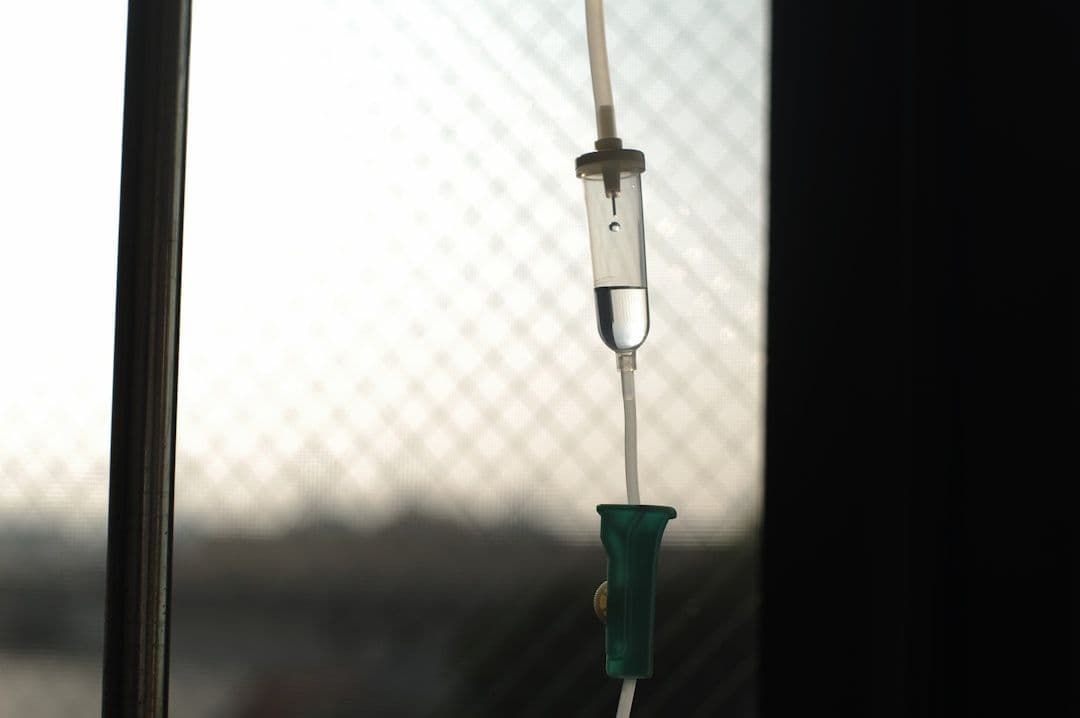
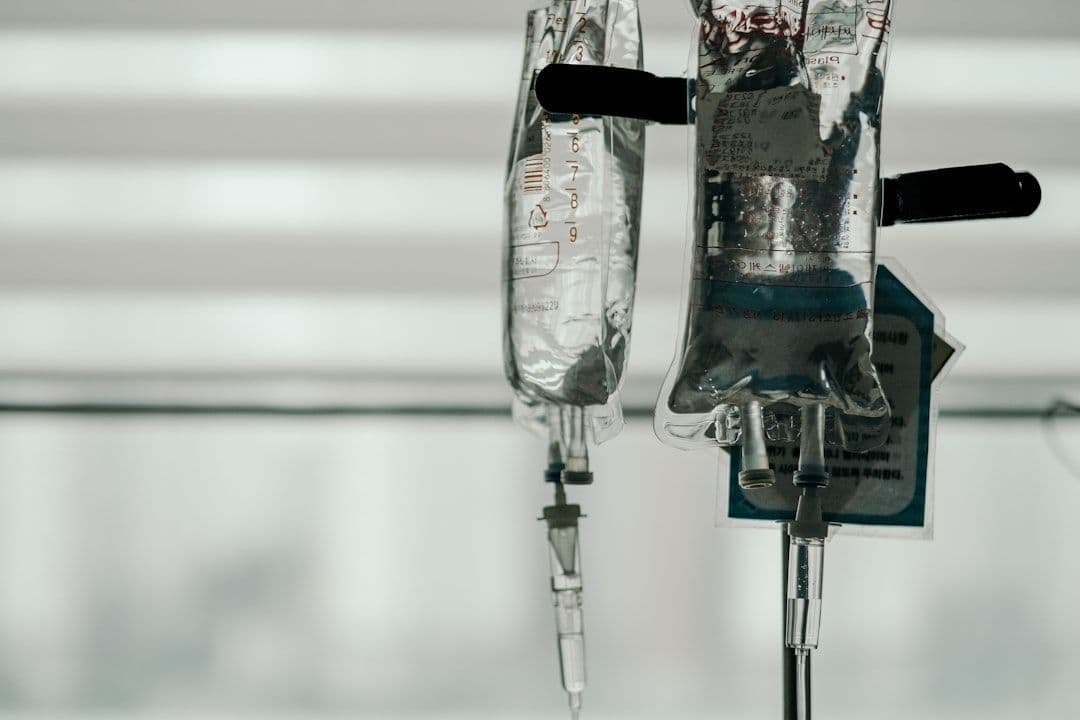
The nutrient solution begins flowing immediately through clear tubing connected to your IV line. You might notice a slight metallic taste within the first few minutes - this is normal and usually fades quickly. Some people report a mild sensation of coolness moving up their arm as the fluid enters their bloodstream.
Most infusions run for 30-60 minutes, depending on your specific formulation and tolerance. Higher concentrations of certain vitamins, particularly magnesium, may cause a warm, relaxed feeling or slight drowsiness. B vitamins often produce a subtle energy sensation that some describe as gentle alertness without jitters.
The clinical environment is typically calm and spa-like rather than sterile hospital atmosphere. Many people find the experience surprisingly relaxing - the enforced stillness and quiet time often feels restorative in itself. Practitioners usually check on you every 10-15 minutes, monitoring both your comfort and the infusion rate.
Sensations and Immediate Effects
Individual responses vary considerably, but certain patterns emerge consistently. Energy-focused formulations containing B vitamins may produce noticeable alertness within 15-20 minutes. Immune-supporting blends with high-dose vitamin C might create a subtle sense of wellbeing that's difficult to quantify but distinctly present.
Some people experience mild flushing, particularly with niacin-containing formulations - this appears as temporary warmth and slight redness, typically lasting 10-15 minutes. Magnesium can produce muscle relaxation that feels similar to post-massage looseness. These sensations are generally pleasant rather than concerning.
Occasionally, people feel slightly nauseous or dizzy, especially if they arrived dehydrated or hungry. Practitioners can slow the infusion rate or provide additional fluids to address this. Most adverse reactions are mild and resolve quickly with these adjustments.
Aftercare and Recovery
Once the infusion completes, the practitioner removes the cannula and applies pressure for a minute or two to prevent bleeding. A small plaster covers the insertion site, which you can remove after a few hours. The area might feel tender for 24 hours, similar to after blood donation.
Drink additional water throughout the day to support your kidneys in processing the concentrated nutrients. Avoid alcohol for 12-24 hours, as your liver will be metabolising higher-than-normal vitamin levels. Light exercise is fine, but avoid heavy lifting with the treated arm for the remainder of the day.
Some people notice effects immediately - increased energy, clearer thinking, or improved mood. Others observe gradual changes over 2-3 days. A minority feel little difference, which doesn't necessarily indicate the treatment was ineffective - baseline nutrient status, absorption capacity, and individual metabolism all influence outcomes.
Treatment Frequency and Courses
Single sessions can provide short-term benefits, but practitioners typically recommend 4-6 treatments spaced 1-2 weeks apart for sustained improvements. Those with diagnosed deficiencies might benefit from more frequent initial treatments, whilst people seeking general wellness support often maintain with monthly sessions.
Most clinics suggest reassessing after your initial course to determine ongoing needs. Blood tests can help track nutrient levels and guide future treatment decisions, though these aren't always necessary for wellness-focused approaches.
Costs vary significantly - budget £80-300 per session depending on formulation complexity and clinic location. Many people find the expense worthwhile for specific health goals, whilst others prefer the convenience and social aspect to taking multiple daily supplements, even though oral vitamins are considerably more economical.