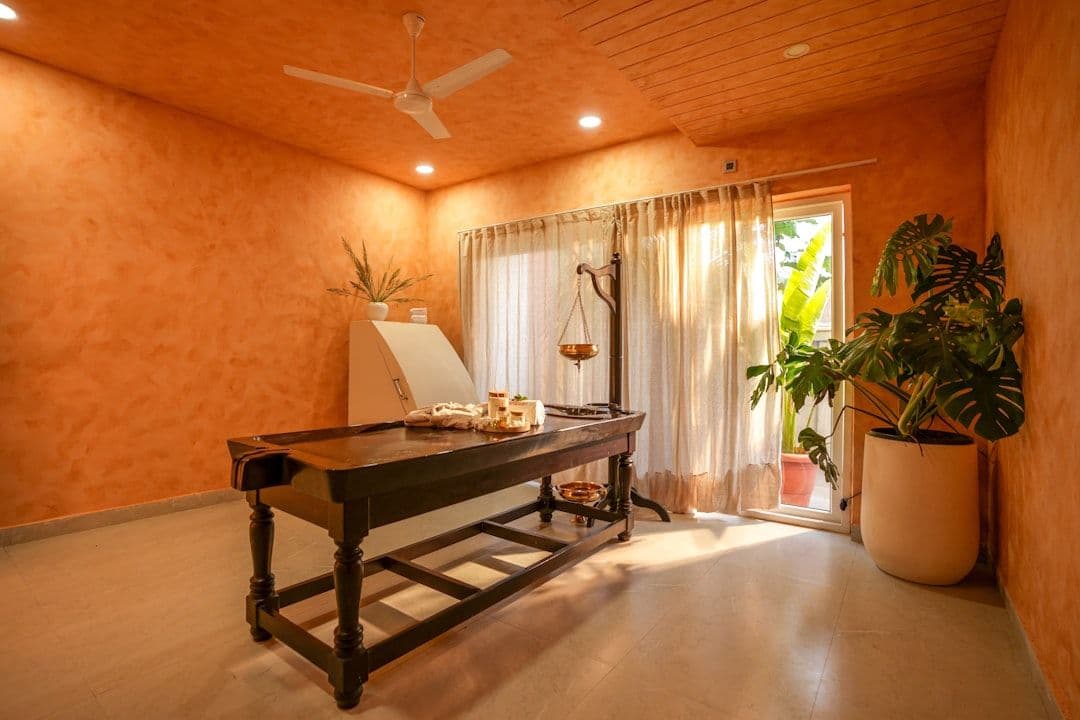
Preparing for Your Appointment
No special preparation is required, though practitioners often advise against heavy meals beforehand, as this can affect pulse reading. Bring a list of medications and supplements. Wear comfortable, natural-fibre clothing if possible.
The Assessment: Prakriti and Vikriti
The core of an Ayurvedic consultation is determining your Prakriti (constitutional type — your natural doshic balance) and Vikriti (current imbalance). Prakriti is considered fixed — your fundamental nature. Vikriti reflects imbalances that have developed through diet, lifestyle, stress, and environment. The goal of treatment is to restore your Prakriti.
Nadi Pariksha: Pulse Diagnosis
Pulse diagnosis is one of the most distinctive and debated aspects of Ayurvedic assessment. The practitioner places three fingers on your radial pulse, each reading a different dosha. An experienced practitioner interprets the quality and characteristics of the pulse to assess constitutional type and doshic state. Its biomedical validity is not established, but it is a skilled practice that experienced Ayurvedic physicians find clinically informative.
The Broader Assessment
Beyond the pulse, your practitioner will examine your tongue (for signs of toxin accumulation), eyes, skin, and nails. Detailed questioning covers your digestion, bowel function, sleep, appetite, energy levels, emotional patterns, and response to different climates and seasons.
The Recommendations
Recommendations typically cover: dietary adjustments aligned to your constitution; daily routine suggestions (dinacharya) including sleep timing and self-massage; specific herbal formulations; yoga postures and breathing practices; and further treatments such as Abhyanga or Shirodhara. The best consultations prioritise actionable, sustainable changes rather than overwhelming restriction lists.