Setting the Scene
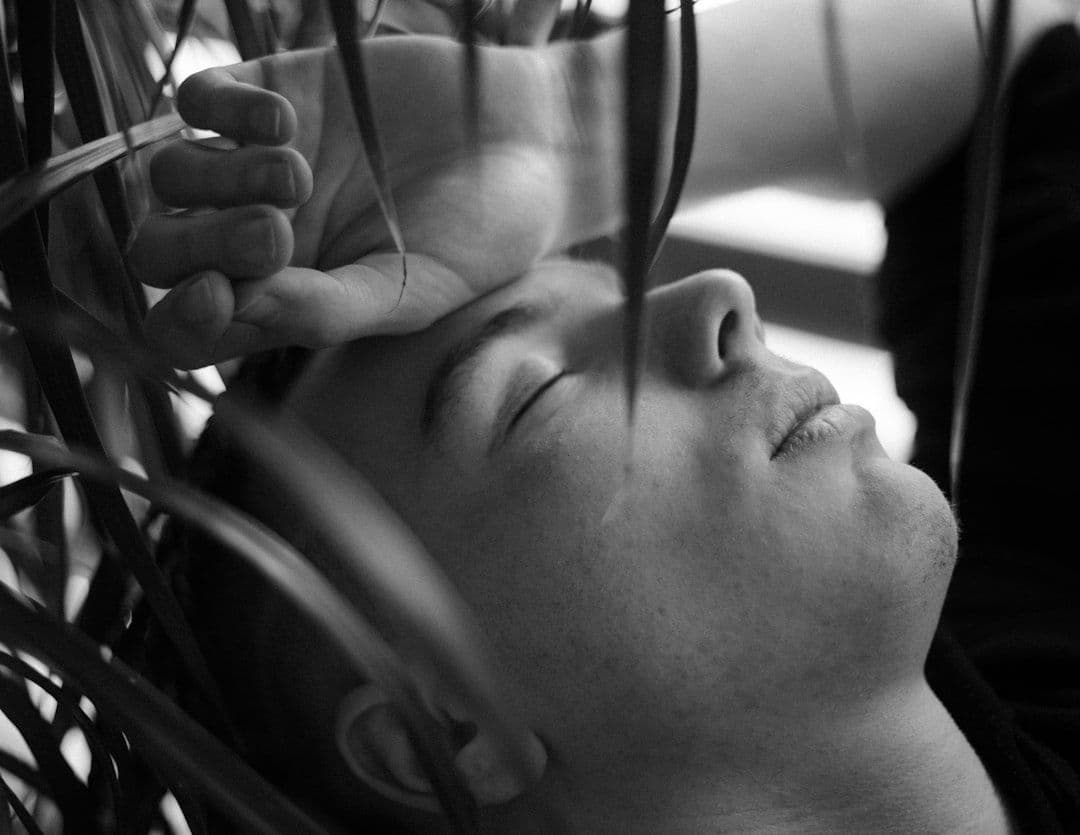
CST sessions are typically conducted in a quiet, calm treatment room. You remain fully clothed — loose, comfortable clothing is ideal — and lie on a padded treatment table. Unlike physiotherapy or chiropractic, there is no active movement, manipulation, or significant physical effort involved. The session is largely still and quiet.
The Initial Consultation
Your first session will include a detailed intake conversation. The practitioner will ask about your health history, current symptoms, any previous injuries or surgeries, medications, and what has brought you to CST. They will explain their approach and what you might experience. Be thorough — even details that seem unrelated can be relevant.
The Touch
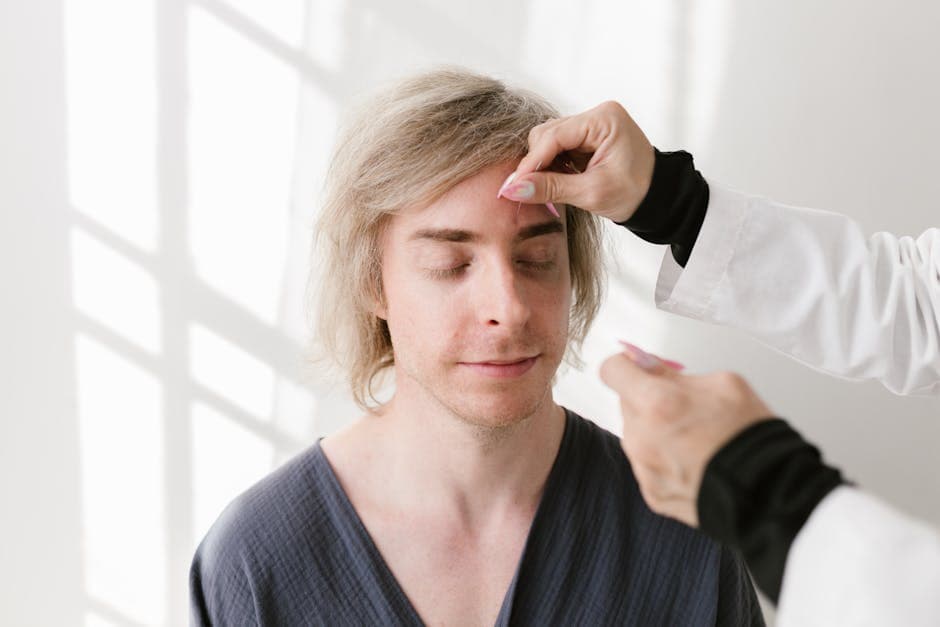
The defining characteristic of CST is the extraordinary lightness of touch. Practitioners describe applying roughly five grammes of pressure — equivalent to the weight of a coin. The practitioner's hands may rest on your head, behind your ears, at the base of your skull, along the spine, at the sacrum, or other areas. They are palpating for what they describe as subtle rhythmic motions in the craniosacral system, and gently facilitating release of perceived restrictions.
From the outside, a CST session looks as though almost nothing is happening. This is intentional — the approach is based on extremely subtle contact rather than force or manipulation.
What You May Experience
Experiences during CST vary widely. Common reports include deep relaxation, warmth, tingling, a sense of pulsation or movement, emotional release, or vivid imagery. Some people feel very little physically. Occasional feelings of temporary discomfort, dizziness, or emotion during or immediately after a session are not unusual and typically pass quickly.
Many people fall asleep during sessions — this is common and not a problem. The session continues regardless, and the practitioner will gently bring the session to a close when appropriate.
After the Session
Post-session fatigue is common. Many practitioners advise drinking plenty of water, resting if possible, and keeping the rest of the day gentle. Emotional tenderness or unusual dreams in the day or two following a session are sometimes reported. Most people describe feeling calmer and more grounded overall.