Introduction
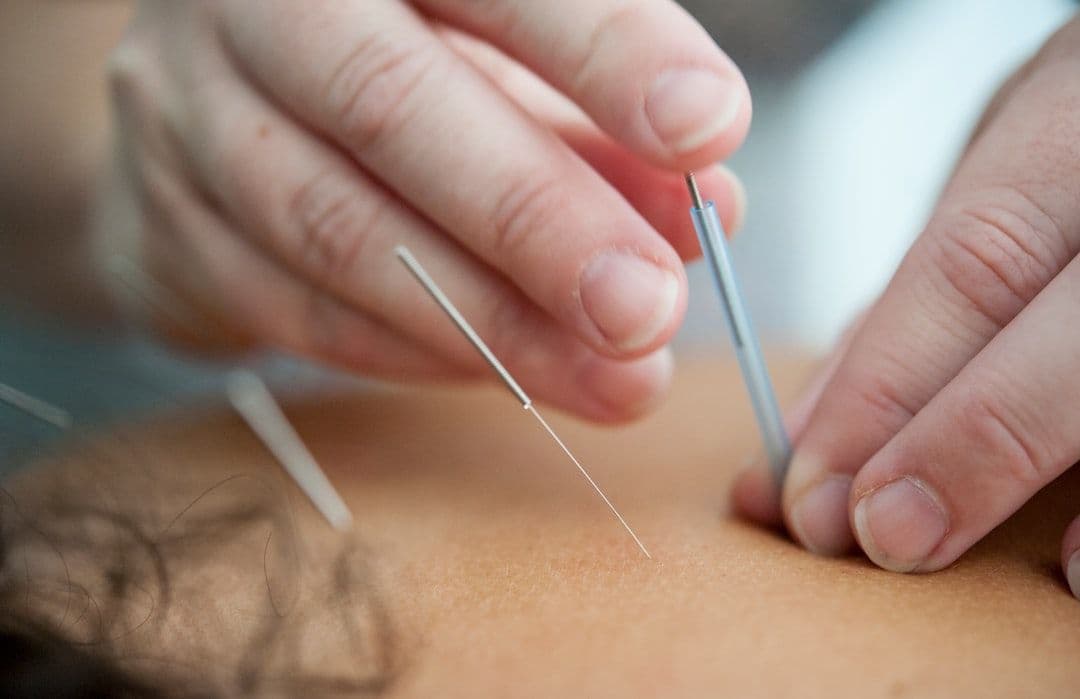
Acupuncture is a therapeutic practice with roots in traditional Chinese medicine (TCM). Practitioners insert very fine needles into specific points on the body that are traditionally believed to influence the flow of vital energy, often referred to as qi. Over the past several decades, acupuncture has also been explored within modern medical research and integrative health systems.
Traditional Foundations
Within traditional Chinese medicine, health is often described as a state of balance. Acupuncture points correspond to pathways sometimes called meridians. Practitioners historically used these points to influence internal balance and support natural healing processes.
How Acupuncture May Work
Modern research has explored possible mechanisms behind acupuncture. Some studies suggest needle stimulation may influence the nervous system, local blood flow, and the release of signaling molecules. These physiological responses are among the reasons acupuncture has attracted attention within integrative medicine.
Where Acupuncture Is Used
Acupuncture is used globally in both traditional and clinical settings. It is sometimes explored as part of supportive care for conditions such as chronic pain, headaches, stress, or musculoskeletal tension. Experiences vary, and individuals often consult qualified practitioners to determine whether it may be appropriate for them.
Modern Integrative Medicine
Today, acupuncture is practiced in hospitals, clinics, and private practices around the world. In many countries it is considered part of complementary or integrative healthcare approaches. Research continues to examine its effects and potential applications.