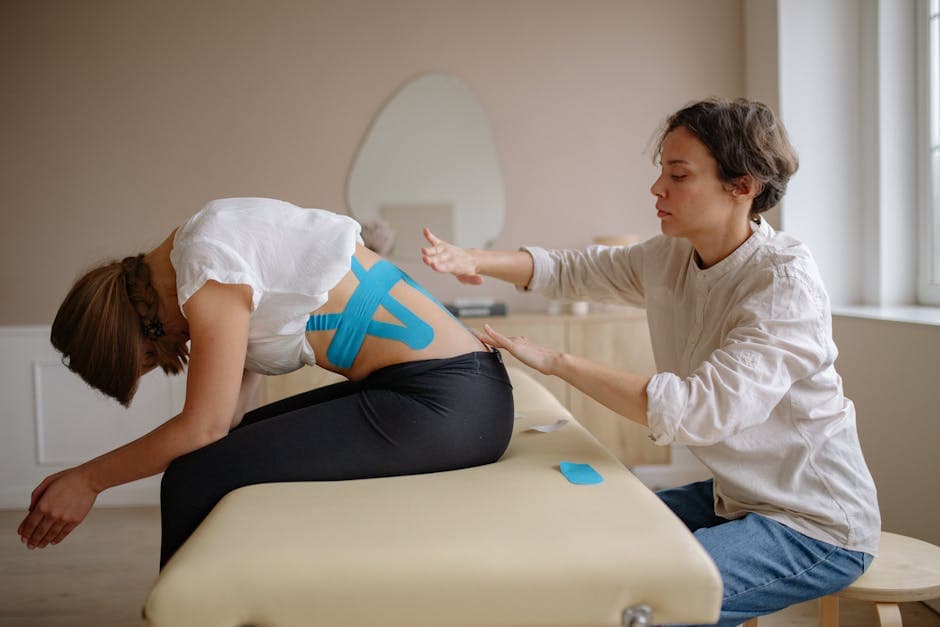
What it is
Applied Kinesiology is a complementary practice using manual muscle testing to assess potential body imbalances.
Reading the body through the language of…
At a glance
What it is
Applied Kinesiology is a complementary practice using manual muscle testing to assess potential body imbalances.
Why people explore it
How it’s experienced
A typical Applied Kinesiology session usually begins with a detailed health intake conversation, during which the practitioner gathers information about your current health concerns, medical history, lifestyle, and goals.
Evidence context
Experiential supportSee the evidence snapshotSafety
Typical risk: Low
See staying safeHistory & Origin
Applied Kinesiology (AK) is a diagnostic and therapeutic approach developed within chiropractic practice that uses manual muscle testing as its primary assessment tool. Practitioners evaluate the relative strength or weakness of specific muscles as a way to gather information about a person's structural, chemical, and emotional health. The underlying premise is that changes in muscle function may reflect imbalances elsewhere in the body, and that addressing these imbalances — through techniques such as spinal manipulation, nutritional support, acupressure, or soft tissue work — may help restore overall function and wellbeing.
AK is considered a complementary modality and is most commonly practiced by chiropractors, though some osteopaths, naturopaths, dentists, and other licensed health professionals also incorporate its methods. It draws from several traditions, including chiropractic, traditional Chinese medicine, and nutritional therapy, weaving them into a framework that aims to assess the whole person rather than isolated symptoms. Practitioners who use AK often view it as one tool among many, integrating it into broader wellness care plans.
It is important to note that Applied Kinesiology is a subject of ongoing debate within the scientific and medical communities. Its core diagnostic methods — particularly the idea that muscle testing can reveal systemic or nutritional imbalances — have not been consistently validated through rigorous clinical research. Individuals considering AK are encouraged to approach it as a complementary option and to continue working with conventional healthcare providers for any diagnosed or suspected medical conditions. As with any complementary practice, informed decision-making and open communication with all members of your care team are strongly encouraged.
Applied Kinesiology was developed in the 1960s by George Goodheart Jr., a Michigan-based chiropractor who made an early observation that correcting a structural problem in a patient appeared to restore strength to a previously weak muscle. Intrigued by this connection, Goodheart began systematically exploring relationships between muscle function, organ health, and other body systems, drawing on chiropractic principles, the work of physiotherapist Florence Kendall, and concepts from traditional Chinese medicine — particularly meridian theory.
Goodheart founded the International College of Applied Kinesiology (ICAK) in 1976, establishing a formal teaching structure for licensed healthcare practitioners. AK spread through chiropractic education in the United States and eventually internationally, gaining particular traction in Europe and Australia. Over the decades, it has continued to evolve, with practitioners adding nutritional and energetic frameworks to its original structural focus. A related but distinct practice — sometimes called Touch for Health or Behavioral Kinesiology — adapted muscle testing techniques for use by non-licensed practitioners, though these variations differ meaningfully from the clinician-oriented AK system Goodheart developed.
Mechanism
Applied Kinesiology uses manual muscle testing as a window into potential imbalances across the body's structural, chemical, and emotional systems.
The evidence
An honest read on how Applied Kinesiology has been studied — an evidence tier and the research behind it, not a guarantee and not a ranking of “better.”
Valued by experience, with limited formal research
The evidence base for Applied Kinesiology is currently limited.
See History & origin above for the full account.
Low risk — See Staying safe below for full guidance.
6 peer-reviewed studies referenced, spanning 2014–2026 — see References below.
Safety first
General, informational guidance — not diagnostic. A qualified practitioner can advise on your own situation.
For you?
A simple, human way to weigh it up. This is general guidance, not personal medical advice — a qualified practitioner can advise on your situation.
Gyfts is a discovery platform, not a medical provider. Nothing here diagnoses, treats or replaces professional care. In an emergency, contact your local emergency number.
Featured
Verified practitioners whose work commonly involves this practice. Featured placement does not affect organic ranking or recommendations.
Read next
FAQ
No — while the word kinesiology refers broadly to the study of human movement, Applied Kinesiology is a specific system developed within chiropractic practice that uses manual muscle testing for diagnostic and therapeutic purposes. Standard kinesiology and physical therapy muscle testing have a different research base and clinical application. It is worth clarifying which type of practice a provider is offering before booking.
Applied Kinesiology is not recognized by mainstream medicine as a validated diagnostic tool, and its use for identifying specific medical conditions is not supported by consistent scientific evidence. Practitioners may use muscle testing to inform their complementary assessments, but any significant health concern should be evaluated through conventional medical testing. AK is best understood as a complementary, not diagnostic, approach.
Practitioners who use Applied Kinesiology should hold a primary healthcare license — most commonly in chiropractic, though some are osteopaths or naturopaths. The International College of Applied Kinesiology (ICAK) offers training and certification for licensed professionals and maintains practitioner directories. It is advisable to verify a practitioner's primary credentials and ask about their AK training before beginning care.
Sources
Educational sources that inform this overview. Inclusion is for context and does not imply endorsement.
Full citations are maintained by the Gyfts editorial team and reviewed periodically.
Keep exploring
Browse verified practitioners, explore honest overviews, and take what you learn to a conversation — at your own pace.