What it is
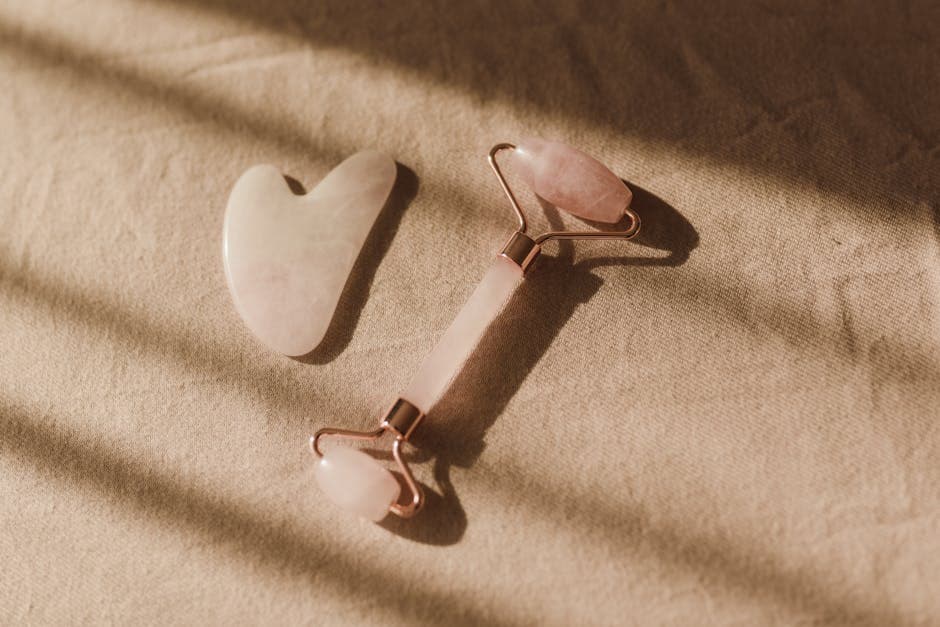
Gua sha is a traditional East Asian practice using a smooth tool to stroke the skin, aiming to support circulation and ease muscle tension.
Ancient strokes, modern recovery support.
At a glance
What it is
Gua sha is a traditional East Asian practice using a smooth tool to stroke the skin, aiming to support circulation and ease muscle tension.
Why people explore it
How it’s experienced
A typical gua sha session begins with a practitioner or the individual applying a lubricating oil or lotion to the target area of skin to reduce friction.
Evidence context
Emerging evidenceSee the evidence snapshotSafety
Typical risk: Low
See staying safeHistory & Origin
Gua sha is a traditional East Asian healing practice that involves using a smooth-edged tool to apply firm, repeated strokes across oiled skin, typically along the back, neck, shoulders, and limbs. The strokes are intended to stimulate circulation and address what practitioners describe as stagnation in the body's tissues. The technique produces a characteristic temporary reddening or bruise-like discoloration on the skin — known as 'sha' — which practitioners traditionally interpret as a sign that stagnation is being released. This fading within a few days and is generally considered a normal part of the process.
Originally developed within the framework of Traditional Chinese Medicine (TCM), gua sha has been used for centuries across China, Vietnam, and other parts of Southeast and East Asia. In recent decades, it has gained broader international recognition, both as a professional clinical practice and as a self-care tool used at home. Facial gua sha, which uses lighter pressure and specialized tools, has also grown significantly in popularity as a wellness and beauty practice.
Gua sha is practiced today by licensed acupuncturists, TCM practitioners, massage therapists, and integrative health providers, as well as by individuals using consumer-grade tools under self-guided instruction. The practice sits at the intersection of traditional healing systems and contemporary holistic wellness, and while it is not a substitute for conventional medical care, many people incorporate it as a complementary approach to managing pain, tension, and overall wellbeing.
Gua sha has roots stretching back thousands of years in East and Southeast Asian healing traditions. The practice is documented within the classical texts of Traditional Chinese Medicine and has been a household remedy across China, Vietnam (where it is known as 'cạo gió'), Korea (known as 'gwal-sha'), and neighboring cultures for generations. Historically, it was used as an accessible, low-cost method for addressing everyday ailments such as fever, heatstroke, fatigue, and musculoskeletal pain — often performed by family members at home using everyday objects like coins, spoons, or smooth stones.
The term 'gua' means to scrape or rub, while 'sha' refers to the redness or petechiae that appears on the skin during treatment. Over centuries, gua sha became embedded in the cultural fabric of many Asian communities as both a healing art and a form of familial care. Its introduction to Western wellness culture accelerated in the late 20th century as interest in integrative medicine grew. Today, gua sha is practiced globally, with both its traditional roots and its contemporary adaptations — including the widespread adoption of facial gua sha — continuing to evolve.
Mechanism
Gua sha works through a combination of traditional energetic theory and proposed physiological mechanisms involving circulation and tissue response.
The evidence
An honest read on how Gua Sha has been studied — an evidence tier and the research behind it, not a guarantee and not a ranking of “better.”
An emerging area of research
The current evidence base for gua sha is rated as moderate, meaning there is a meaningful body of research to draw from, though important limitations remain.
See History & origin above for the full account.
Low risk — See Staying safe below for full guidance.
5 peer-reviewed studies referenced, spanning 2018–2024 — see References below.
Safety first
General, informational guidance — not diagnostic. A qualified practitioner can advise on your own situation.
For you?
A simple, human way to weigh it up. This is general guidance, not personal medical advice — a qualified practitioner can advise on your situation.
Gyfts is a discovery platform, not a medical provider. Nothing here diagnoses, treats or replaces professional care. In an emergency, contact your local emergency number.
Featured
Verified practitioners whose work commonly involves this practice. Featured placement does not affect organic ranking or recommendations.
FAQ
The reddish or purplish marks that appear during gua sha — called 'sha' — are a normal and expected part of the process. They reflect increased blood flow to the surface of the skin rather than tissue damage in the traditional sense. These marks typically fade within two to five days and are usually not painful to the touch.
This varies significantly depending on the individual and the condition being addressed. Some people report noticing relief in muscle tension or discomfort after a single session, while others benefit from a series of treatments over several weeks. A qualified practitioner can offer guidance based on your specific situation and goals.
Self-administered gua sha — particularly facial gua sha using lighter pressure — is widely practiced at home with consumer tools and guided instruction. For therapeutic applications targeting deeper tissue or addressing specific musculoskeletal concerns, working with a trained and licensed practitioner is generally recommended to ensure appropriate technique and safety.
Sources
Educational sources that inform this overview. Inclusion is for context and does not imply endorsement.
Full citations are maintained by the Gyfts editorial team and reviewed periodically.
Keep exploring
Browse verified practitioners, explore honest overviews, and take what you learn to a conversation — at your own pace.