What Alternative Health Actually Encompasses
Walk into a busy integrative clinic and you'll witness the breadth of alternative health in action. An acupuncturist places fine needles whilst discussing sleep patterns with a fibromyalgia patient. Next door, a medical herbalist examines tongue colour and pulse quality before prescribing individualised botanical formulations. Down the corridor, an osteopath assesses how jaw tension relates to lower back pain, treating the body as an interconnected whole rather than separate systems.
This diversity defines alternative health—not a single practice, but dozens of distinct modalities united by common principles. These approaches view health through a wider lens than conventional medicine, considering how physical symptoms connect to emotional state, lifestyle patterns, environmental factors, and sometimes spiritual wellbeing. Rather than focusing solely on disease treatment, alternative health emphasises supporting the body's inherent capacity for healing and maintaining wellness.
The spectrum ranges from evidence-rich practices with NICE recommendations—like acupuncture for certain pain conditions—to traditional healing systems developed over centuries within specific cultures. Some modalities work alongside pharmaceutical treatments, whilst others offer entirely different frameworks for understanding health and illness.
Origins: Ancient Wisdom Meets Modern Integration
Alternative health draws from multiple wellsprings. Traditional Chinese Medicine contributes acupuncture, herbal formulations, and diagnostic methods refined over millennia. Ayurveda offers constitutional assessment and plant-based interventions from the Indian subcontinent. European herbal medicine evolved through monastery gardens, folk traditions, and early pharmaceutical development.
Indigenous healing systems worldwide contribute plant knowledge, energy concepts, and holistic treatment approaches that modern practitioners increasingly recognise as sophisticated medical systems rather than primitive folk remedies. Osteopathy and chiropractic emerged in 19th-century America, applying mechanical principles to spinal health. Homeopathy developed in Germany through systematic observation of symptom patterns.
The modern integration movement began in earnest during the 1970s, when patients and forward-thinking physicians started combining effective traditional practices with contemporary medical understanding. This wasn't about rejecting scientific medicine, but expanding healthcare options to address gaps in conventional treatment—particularly for chronic conditions, preventive care, and quality-of-life concerns that pharmaceuticals alone couldn't adequately address.
How These Approaches Work
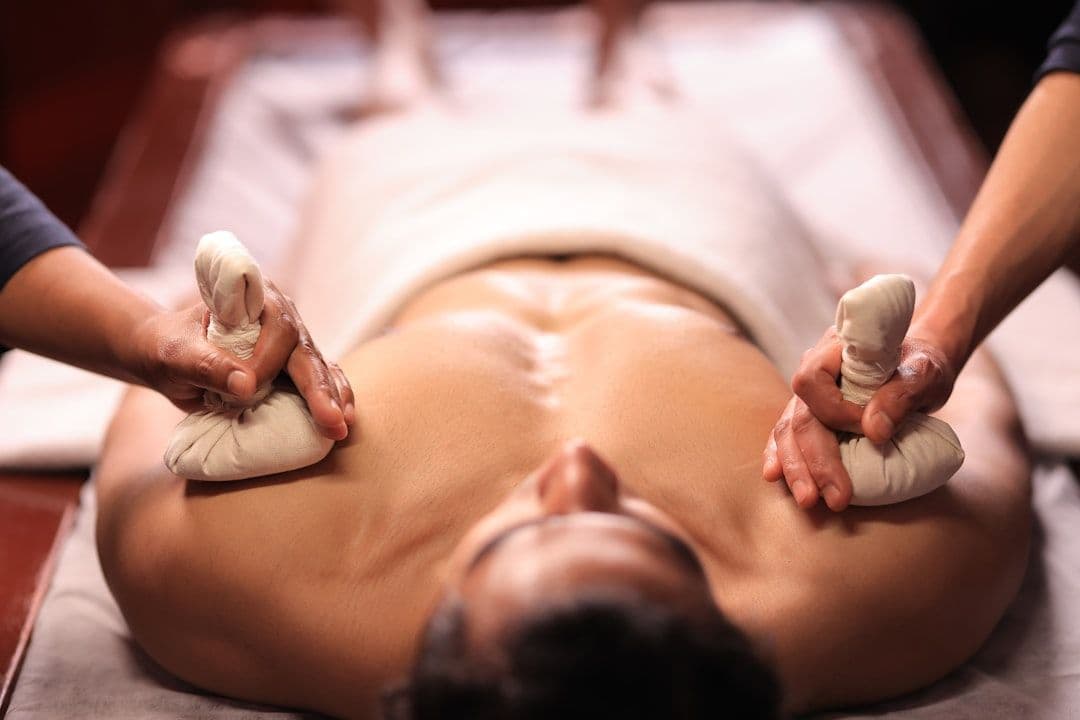
Alternative health modalities operate through several mechanisms, depending on the specific practice. Physical interventions like acupuncture, osteopathy, and massage therapy work through documented physiological pathways—stimulating endorphin release, improving circulation, reducing muscular tension, and modulating pain signals through the nervous system.
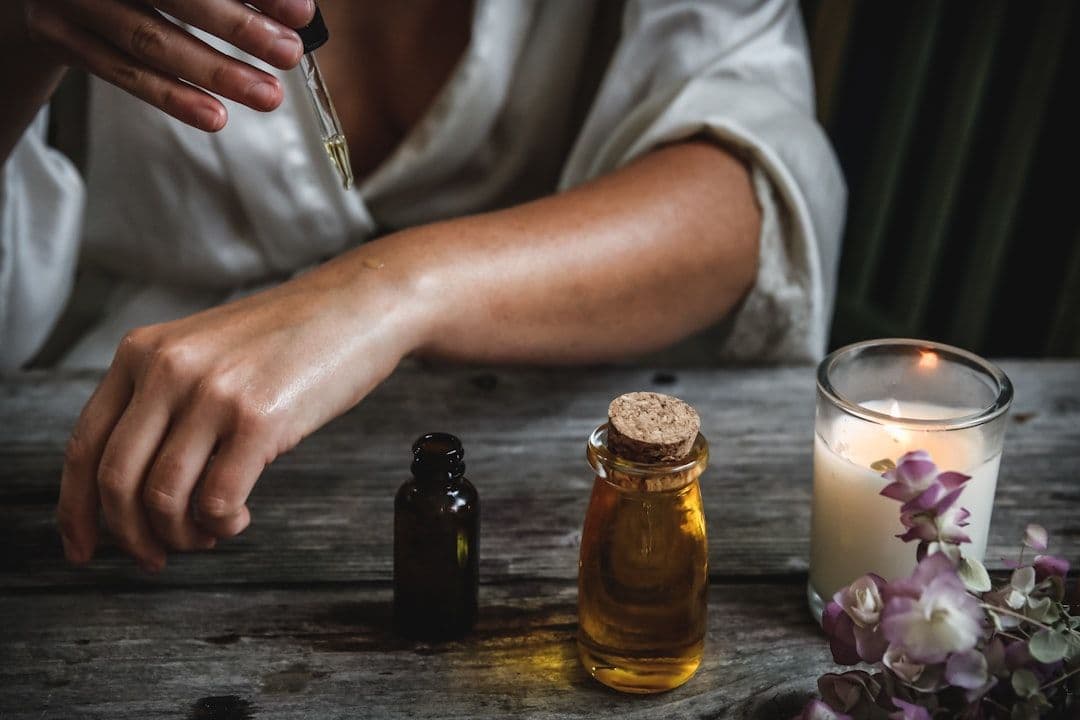
Herbal medicines contain active compounds that interact with biological systems much like pharmaceutical drugs, though often in more complex, multi-targeted ways. Echinacea supports immune function through polysaccharides and alkamides. Turmeric reduces inflammation via curcumin's effects on inflammatory pathways. St John's wort influences neurotransmitter balance for mild to moderate depression.
Mind-body practices like meditation, breathwork, and guided imagery work through the psychoneuroimmune system—the documented connections between psychological state, nervous system function, and immune response. Regular meditation measurably reduces cortisol levels and inflammatory markers whilst improving stress resilience.
Some approaches work through frameworks that don't translate directly into biomedical terms. Traditional Chinese Medicine understands health through qi (vital energy) flow, whilst homeopathy operates through principles of similitude and potentisation. These systems demonstrate clinical effectiveness within their own paradigms, though the mechanisms remain incompletely understood through Western scientific models.
Who Finds Alternative Health Helpful
People with chronic pain conditions often turn to alternative health when conventional treatments provide incomplete relief. Acupuncture helps with osteoarthritis, migraines, and fibromyalgia. Osteopathy addresses chronic back pain through structural realignment. Herbal medicine supports inflammatory conditions where long-term pharmaceutical use raises concerns about side effects.
Those managing stress-related symptoms frequently benefit from mind-body approaches. Meditation and breathwork help with anxiety, sleep disorders, and stress-related digestive issues. Massage therapy addresses tension-related headaches and muscular problems. These modalities teach self-regulation skills that patients can use independently.
People seeking preventive healthcare gravitate towards alternative approaches for wellness maintenance rather than disease treatment. Nutritional therapy optimises dietary patterns for energy and longevity. Traditional Chinese Medicine identifies imbalances before they manifest as symptoms. Herbal adaptogens support stress resilience and immune function.
Individuals experiencing treatment side effects or medication limitations often find alternative options helpful as adjunctive care. Cancer patients use acupuncture for chemotherapy-induced nausea. Those with medication sensitivities explore herbal alternatives. People wanting to reduce pharmaceutical dependence gradually incorporate complementary approaches under professional guidance.
What to Expect
Alternative health consultations typically begin differently than conventional medical appointments. Initial sessions often last 60–90 minutes, with practitioners taking detailed histories covering not just symptoms, but sleep patterns, stress levels, digestive function, emotional state, and lifestyle factors. Many traditions include physical assessment methods unfamiliar in conventional medicine—pulse diagnosis in Chinese medicine, constitutional assessment in Ayurveda, or structural evaluation in osteopathy.
Treatment approaches vary dramatically by modality. Acupuncture sessions involve needle insertion at specific points, often followed by 20–30 minutes of quiet rest. Herbal medicine consultations result in individualised formulations—tinctures, teas, or standardised extracts taken over weeks or months. Osteopathic treatments combine hands-on manipulation with movement education. Mind-body practices teach techniques for home use between sessions.
Progress tracking focuses on overall wellbeing rather than single symptom measures. Practitioners monitor energy levels, sleep quality, stress resilience, and functional improvements alongside specific symptom changes. Treatment plans typically unfold over weeks to months, with regular reassessment and protocol adjustments based on response patterns.
Evidence and Integration
Research quality varies enormously across alternative health modalities. Acupuncture has robust evidence for chronic pain, with NICE recommending it for tension headaches, migraines, and osteoarthritis. Mindfulness-based stress reduction shows strong evidence for anxiety, depression, and chronic pain management. Certain herbal medicines like St John's wort for depression and ginkgo for cognitive function have substantial research support.
Other practices have emerging evidence from smaller studies or pilot trials. Osteopathy shows promise for back pain and pregnancy-related discomfort, though large-scale trials remain limited. Many traditional practices demonstrate effectiveness in clinical use whilst awaiting definitive research—often hampered by funding constraints and methodological challenges in studying complex, individualised interventions.
The most sophisticated approach involves integrative medicine—combining evidence-based alternative practices with conventional care rather than choosing one or the other. Leading medical centres now employ acupuncturists, offer meditation programmes, and work collaboratively with qualified complementary practitioners to provide comprehensive patient care.
This integration requires discernment. Not all alternative practices have equal merit, and some make unsupported claims. The key lies in evidence-informed selection—choosing modalities with research support or strong traditional use patterns whilst maintaining realistic expectations about outcomes.
Finding Qualified Practitioners
Practitioner quality varies significantly across alternative health fields, making careful selection essential. For regulated practices, verify registration with appropriate bodies. Acupuncturists should be registered with the British Acupuncture Council (BAcC). Osteopaths must be registered with the General Osteopathic Council (GOsC). Chiropractors require General Chiropractic Council (GCC) registration.
For less regulated practices, check membership with professional organisations like the Complementary & Natural Healthcare Council (CNHC) or specialist bodies such as the National Institute of Medical Herbalists (NIMH). Look for practitioners with substantial training—degree-level qualifications rather than weekend certification courses.
Costs range from £40–80 per session for most modalities, with initial consultations often higher. Herbal medicine may involve additional costs for prescribed formulations. Some practices require weekly sessions initially, then monthly maintenance appointments. Others work intensively over shorter periods.
Integrative medical centres often provide the highest standards, employing qualified practitioners who work collaboratively with medical doctors. Many GPs now have knowledge of local complementary practitioners they trust for referrals. Personal recommendations from healthcare providers or satisfied patients often prove more valuable than online directories alone.