Before You Arrive
Alternative health practitioners typically request detailed information before your first visit. Expect to complete an intake form covering your medical history, current symptoms, lifestyle habits, diet, sleep patterns, and stress levels. Some practitioners may ask about emotional or spiritual concerns — this comprehensive approach helps them understand your individual picture.
Wear comfortable, loose-fitting clothing that allows easy movement. Many sessions involve some form of physical assessment or hands-on work. Avoid wearing strong perfumes or scented products, as some practitioners work closely with clients and may be sensitive to fragrances.
Arrive well-hydrated but avoid large meals within two hours of your appointment. Some modalities work more effectively when you're not digesting food. Bring a list of all medications and supplements you're taking, including over-the-counter remedies — this information is crucial for practitioners who may recommend herbal medicine or other interventions.
Consider what you hope to achieve from the sessions. Alternative health practitioners often ask about your goals and expectations, so having clarity about whether you're seeking symptom relief, general wellness support, or help with specific lifestyle changes will guide the consultation.
The Initial Consultation
First sessions typically last 60-90 minutes and begin with an extensive conversation. Your practitioner will explore your health concerns in detail, but may also ask about relationships, work stress, childhood experiences, or spiritual beliefs. This holistic assessment helps them understand potential connections between different aspects of your life and your current symptoms.
Many practitioners conduct some form of physical assessment. This might involve checking your posture, observing your skin or tongue, feeling your pulse, or testing muscle strength and flexibility. Some energy-based practitioners may work with their hands near but not touching your body, sensing what they describe as energy patterns or blockages.
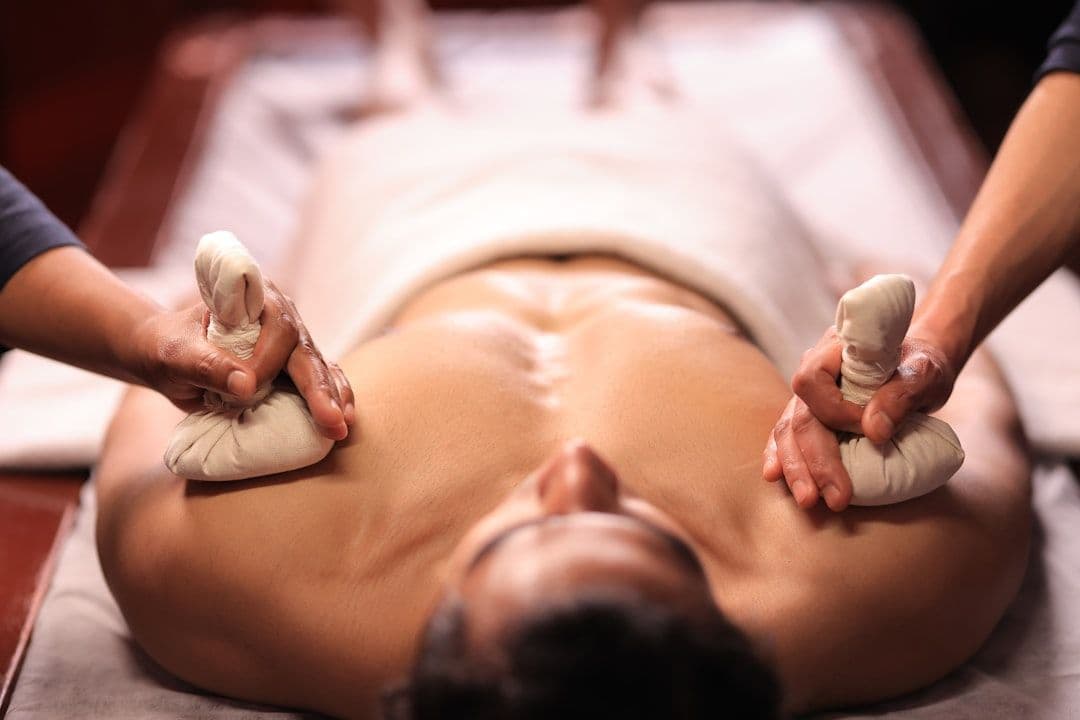
The treatment portion of your first session may be gentle and exploratory. Rather than diving into intensive work, many practitioners prefer to observe how you respond to lighter interventions. You might receive a brief massage, some acupressure, breathing exercises, or guidance on simple movements.
Expect plenty of discussion throughout. Alternative health practitioners often explain their observations and reasoning as they work, helping you understand their perspective on your health patterns. This educational aspect is central to many holistic approaches.
What You Might Experience
Physical sensations during alternative health sessions vary enormously depending on the modality. Hands-on therapies might produce warmth, tingling, or areas of tension releasing. Energy-based practices could create sensations of movement or shifting within your body, though some people feel nothing physical at all.
Emotional responses are common and often unexpected. Many people find themselves feeling tearful, angry, or euphoric during or after sessions. These reactions typically relate to stress release or processing of emotions connected to physical tension or energy blockages. Practitioners trained in holistic approaches expect these responses and can provide appropriate support.
Immediately after sessions, you might feel energised and clear-headed, or deeply relaxed and slightly disoriented. Some people experience what practitioners call a 'healing response' — a temporary worsening of symptoms or emergence of new sensations as your body processes the work. This typically resolves within 24-48 hours.
Results develop along different timelines for different people. Some notice immediate improvements in energy, mood, or specific symptoms. Others find changes emerge gradually over days or weeks. A minority may not notice significant changes until several sessions have accumulated.
Aftercare and Integration
Most alternative health practitioners provide specific aftercare guidance tailored to your session. Common recommendations include drinking plenty of water to support your body's natural detoxification processes, avoiding alcohol for 24 hours, and getting adequate rest to allow integration of the work.
You may receive 'homework' — breathing exercises, dietary suggestions, herbal remedies, or lifestyle modifications to support the session's effects. These recommendations are often as important as the hands-on treatment itself, reflecting the self-empowerment philosophy central to many alternative approaches.
Pay attention to changes in your sleep, digestion, mood, and energy levels over the following week. Many practitioners ask clients to keep a simple journal noting daily symptoms, energy levels, and any shifts they observe. This information helps guide subsequent sessions.
Avoid making major life decisions immediately after intensive sessions, particularly those involving emotional or energy work. Some people find their perspective shifts significantly, and it's wise to allow a few days for integration before acting on new insights.
Building a Treatment Plan
Most alternative health practitioners recommend an initial series of 3-6 sessions scheduled 1-2 weeks apart. This frequency allows them to assess your individual response patterns and adjust their approach accordingly. Some modalities work cumulatively, with benefits building over time rather than appearing immediately.
After the initial phase, session frequency typically decreases. You might continue with monthly maintenance sessions, or work intensively for specific issues before taking breaks. Many people develop ongoing relationships with their practitioners, returning for support during stressful periods or seasonal wellness tune-ups.
Costs vary significantly by modality and practitioner experience, typically ranging from £45-120 per session. Some practitioners offer package deals for multiple sessions. Consider this investment in the context of your overall health budget, including how alternative approaches might reduce your need for other interventions.
Success in alternative health often depends on the therapeutic relationship and your active participation. Unlike some conventional treatments where you remain passive, these approaches typically require engagement with lifestyle changes, self-awareness practices, or ongoing self-care routines between sessions.