The Sensory Embrace
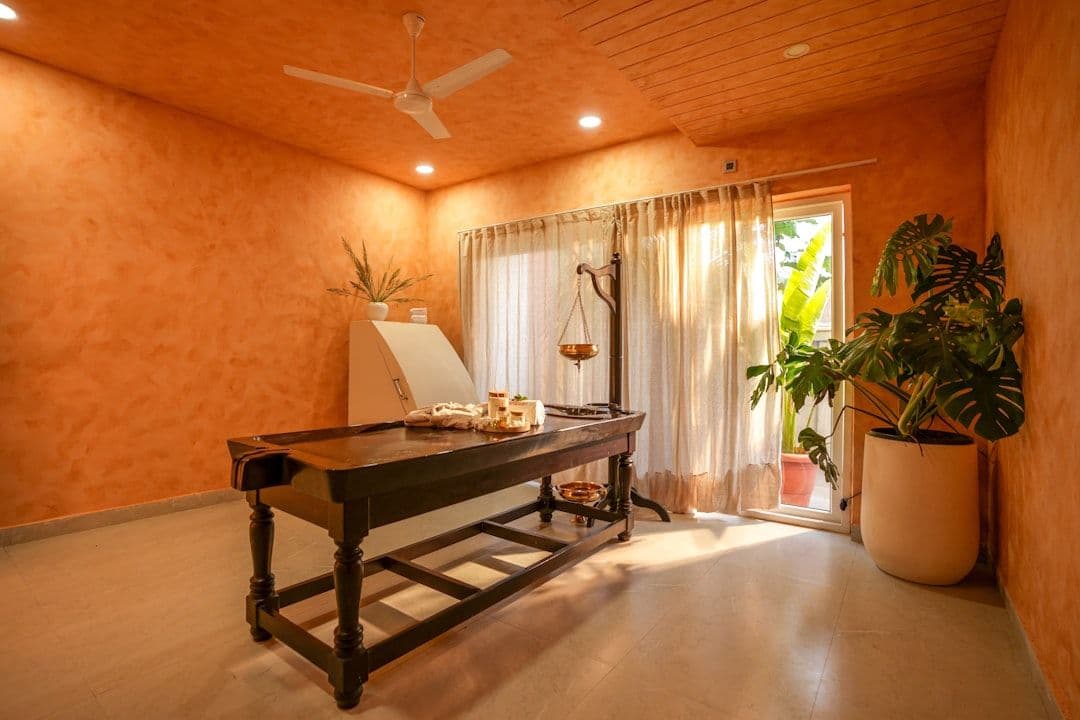
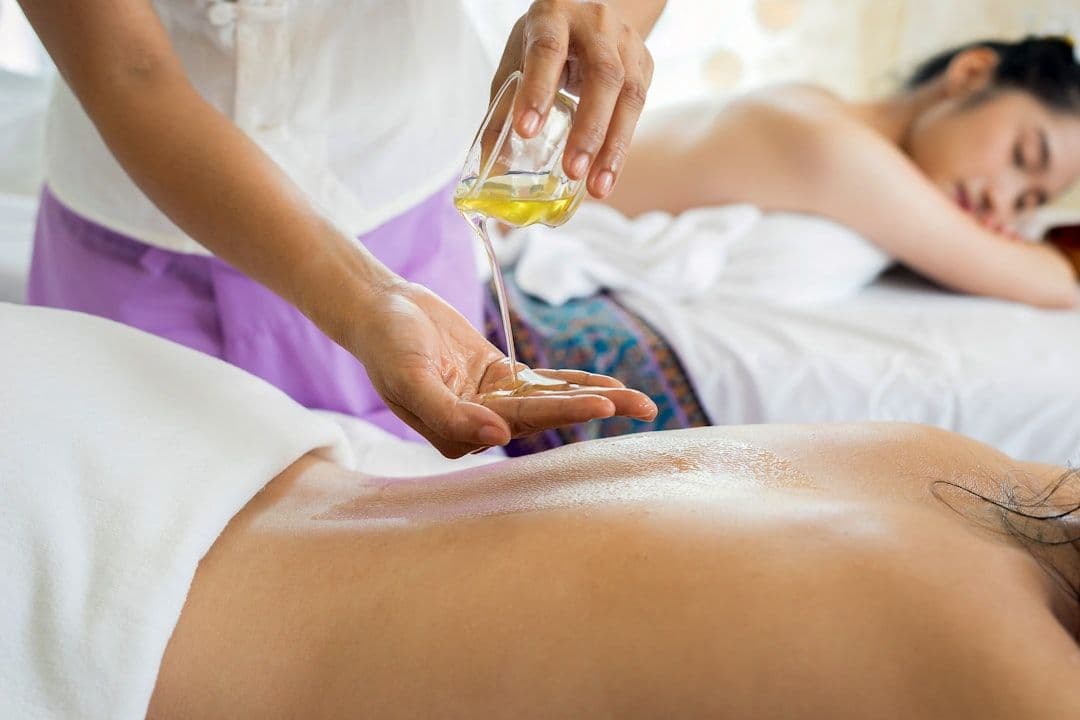
Picture lying on a massage table as your practitioner warms a small amount of oil between their palms. The scent of lavender or bergamot begins to fill the room before their hands make contact with your shoulders. This is aromatherapy massage—where the therapeutic touch of skilled massage techniques meets the aromatic influence of carefully selected essential oils.
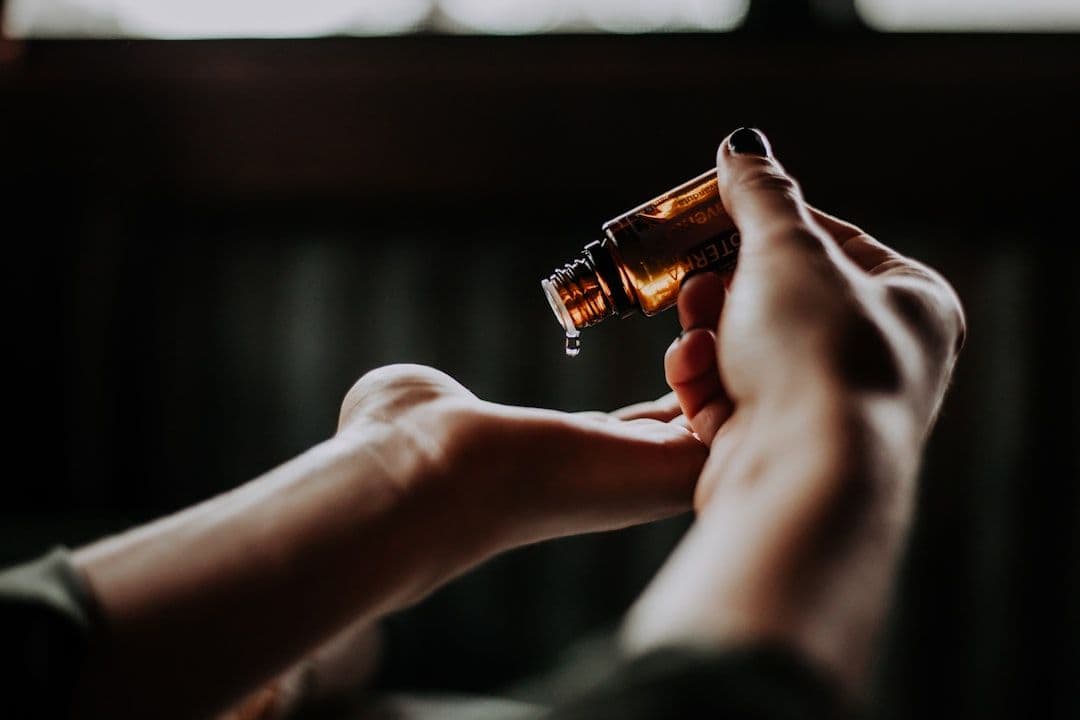
Unlike standard massage oils that simply provide lubrication, aromatherapy massage uses specific essential oils chosen for their potential effects on mood, stress levels, or sleep. The oils are diluted in carrier oils like sweet almond or jojoba and applied through familiar massage strokes—Swedish techniques for general relaxation, deeper pressure for muscle tension, or gentle lymphatic drainage movements.
What makes this approach distinctive is its deliberate engagement of multiple senses. Whilst your muscles respond to pressure and movement, your olfactory system processes the aromatic compounds, potentially influencing your nervous system's relaxation response.
From Ancient Practices to Modern Therapy Rooms
Essential oil use stretches back millennia—ancient Egyptian, Greek, and Chinese cultures all documented aromatic plant medicine. However, aromatherapy massage as we know it developed much more recently, emerging in the 20th century as French and British practitioners began systematically combining massage therapy with essential oil aromatherapy.
The practice gained momentum in the 1980s and 1990s as complementary medicine grew more mainstream. Today, it occupies a middle ground between spa treatments and clinical massage therapy. Professional aromatherapists undergo specific training in both massage techniques and essential oil properties, understanding how different oils might support particular therapeutic goals.
In the UK, aromatherapy massage is practised by qualified massage therapists with additional aromatherapy training, often working in integrative health clinics, wellness centres, or independent practice. The treatment has evolved to incorporate modern understanding of both massage physiology and aromatic compound absorption.
How Touch and Scent Work Together
Aromatherapy massage operates through two complementary pathways. The massage component follows well-understood mechanisms: pressure and movement stimulate mechanoreceptors in the skin and deeper tissues, potentially reducing muscle tension and activating the parasympathetic nervous system's relaxation response.
The aromatic element works differently. When you inhale essential oil molecules, they reach olfactory receptors that connect directly to the limbic system—brain structures involved in emotion, memory, and stress response. Some compounds may also absorb through the skin, though this pathway is less well-studied.
Research suggests certain essential oils may have measurable effects: lavender shows consistent evidence for reducing anxiety and improving sleep quality, whilst citrus oils may have mood-lifting properties. However, individual responses vary considerably, and the concentrations used in massage are much lower than those typically studied in aromatherapy research.
Practitioners often emphasise that the combination may be greater than its parts—the relaxation from massage potentially enhancing receptivity to aromatic effects, whilst pleasant scents may deepen the overall sense of wellbeing during treatment.
Who Seeks This Sensory Approach
Aromatherapy massage particularly appeals to people who respond well to sensory-rich relaxation approaches. If you find certain scents naturally calming or energising, you may be more likely to benefit from the aromatic component.
Those experiencing chronic stress often appreciate the multi-layered approach. The combination of therapeutic touch and carefully chosen aromatics can create a more immersive relaxation experience than either modality alone. People with tension headaches frequently report that oils like peppermint or eucalyptus, combined with neck and shoulder massage, provide greater relief than unscented treatments.
Individuals with mild sleep difficulties form another common group. Sessions using relaxing oils like chamomile or sandalwood, particularly when scheduled in the early evening, may support better sleep patterns. However, this works best for stress-related sleep issues rather than underlying sleep disorders.
Some people simply prefer the enhanced sensory experience. If you enjoy massage but find your mind stays active during treatment, the aromatic element may help facilitate deeper mental relaxation.
What Happens During a Session
A typical aromatherapy massage session begins with a consultation about your current concerns, health status, and scent preferences. Your practitioner will ask about allergies, medications, and any essential oils you particularly like or dislike. This matters—forcing someone who dislikes floral scents to endure rose oil defeats the therapeutic purpose.
The practitioner then selects and blends oils for your session. They might choose lavender for anxiety, rosemary for mental fatigue, or a citrus blend for low mood. The oils are always diluted—typically 1-3% concentration in a carrier oil to prevent skin irritation.
The massage itself usually lasts 60-90 minutes and follows established techniques rather than anything exotic. You might receive Swedish massage for general relaxation, focused work on tense areas, or gentle lymphatic drainage movements. The difference lies in the aromatic oils and the practitioner's understanding of how different scents might complement the physical work.
Sessions often conclude with a few minutes of rest whilst you enjoy the lingering aromatics. Some practitioners offer a small sample of the oil blend for home use, though this varies by practice.
The Evidence Landscape
The research picture for aromatherapy massage reflects its dual nature. Massage therapy has robust evidence for stress reduction, pain management, and quality of life improvements across various conditions. This provides a solid foundation for the touch-based component.
Essential oil aromatherapy shows more modest but consistent benefits for anxiety reduction and sleep quality. A 2020 systematic review found that lavender aromatherapy produced statistically significant reductions in anxiety scores, though effect sizes were generally small to moderate.
Specific research on combined aromatherapy massage is more limited. Small studies suggest the combination may enhance relaxation compared to massage with unscented oils, and pilot research in cancer care settings shows promise for reducing anxiety and improving wellbeing. However, larger, well-controlled trials are needed to establish definitive benefits.
The subjective nature of scent preference adds complexity—what one person finds deeply relaxing, another may find cloying or unpleasant. This individual variation means aromatherapy massage may work better for some people than others, regardless of the underlying mechanisms.
Finding Quality Care and Managing Costs
Look for practitioners qualified in both massage therapy and aromatherapy. In the UK, this typically means registration with the Complementary & Natural Healthcare Council (CNHC) or membership of the Federation of Holistic Therapists (FHT). Many qualified massage therapists complete additional aromatherapy certification through organisations like the International Federation of Aromatherapists.
Sessions typically cost £40-80 depending on location, practitioner experience, and session length. London and other major cities command higher fees, whilst some NHS trusts and cancer centres offer subsidised aromatherapy massage as part of supportive care programmes.
Frequency depends on your goals. For stress management, monthly sessions may suffice, whilst people dealing with chronic conditions might benefit from fortnightly treatments initially. Many practitioners offer package deals for multiple sessions.
When booking, ask about the practitioner's aromatherapy training and their approach to oil selection. A qualified practitioner should discuss your health history, explain their choice of oils, and be willing to adjust scents if you find them unpleasant. Trust your comfort level—if the aromatics feel overwhelming or irritating, speak up. The goal is enhanced relaxation, not endurance.