Preparing for Your Appointment
Book your session when you can relax afterwards—ideally not before driving long distances or important meetings. Eat lightly 2-3 hours beforehand; a full stomach can make lying face-down uncomfortable.
Wear loose, comfortable clothing that's easy to remove. Most practitioners ask you to undress to your comfort level—typically underwear or completely, with professional draping throughout. Avoid strong perfumes or scented lotions on the day, as these can interfere with the carefully chosen essential oil blends.
Arrive 10-15 minutes early for your consultation. Your practitioner will ask about health conditions, allergies, stress levels, and what you hope to achieve. Be specific about any plant allergies—even common ones like citrus can matter. This conversation shapes which oils they'll select and which massage techniques they'll use.
The Session Unfolds
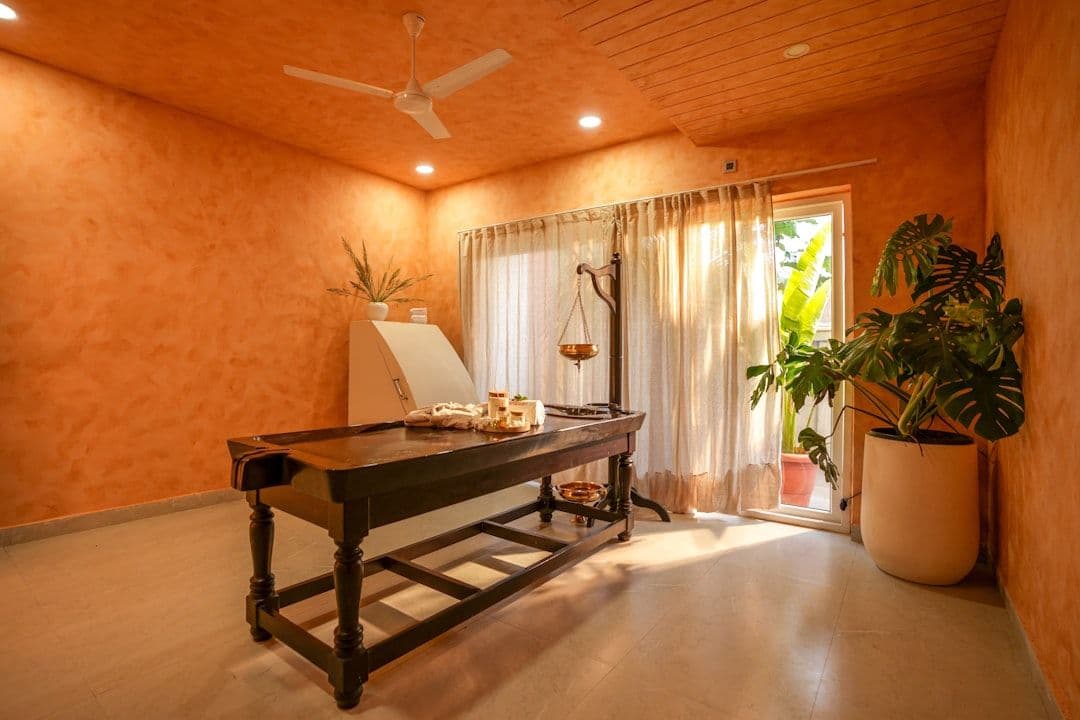
You'll enter a warmly lit room, often with soft music playing. The massage table is typically heated, with fresh linens and a face cradle for comfort when lying prone. Your practitioner steps out whilst you undress and position yourself under the sheet.
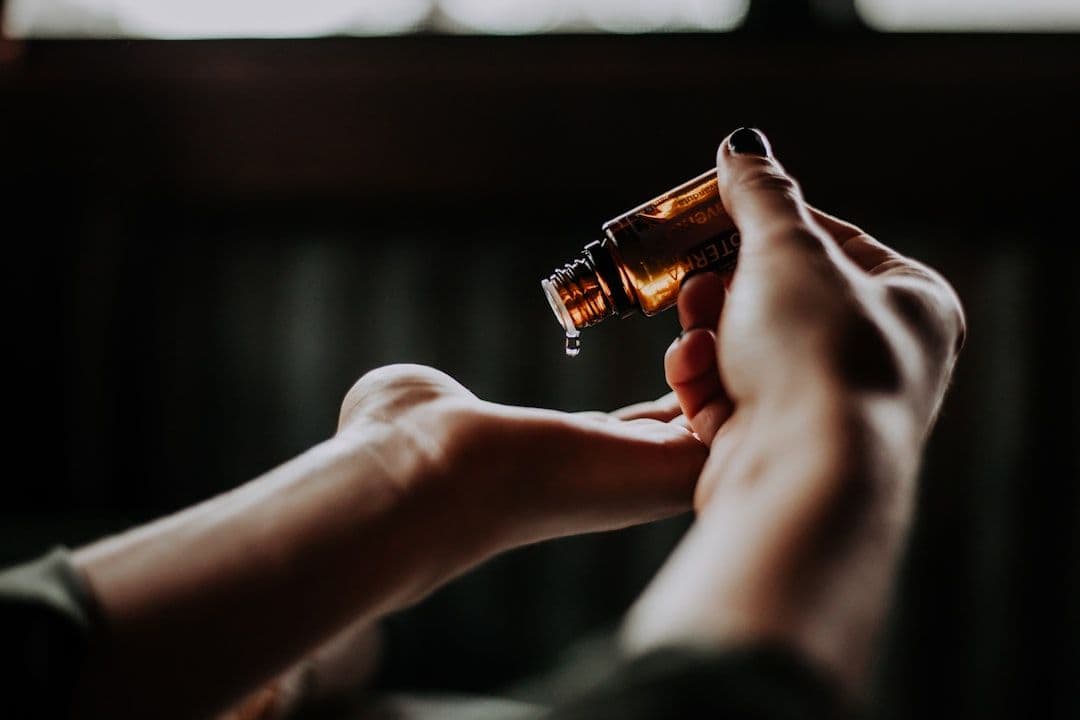
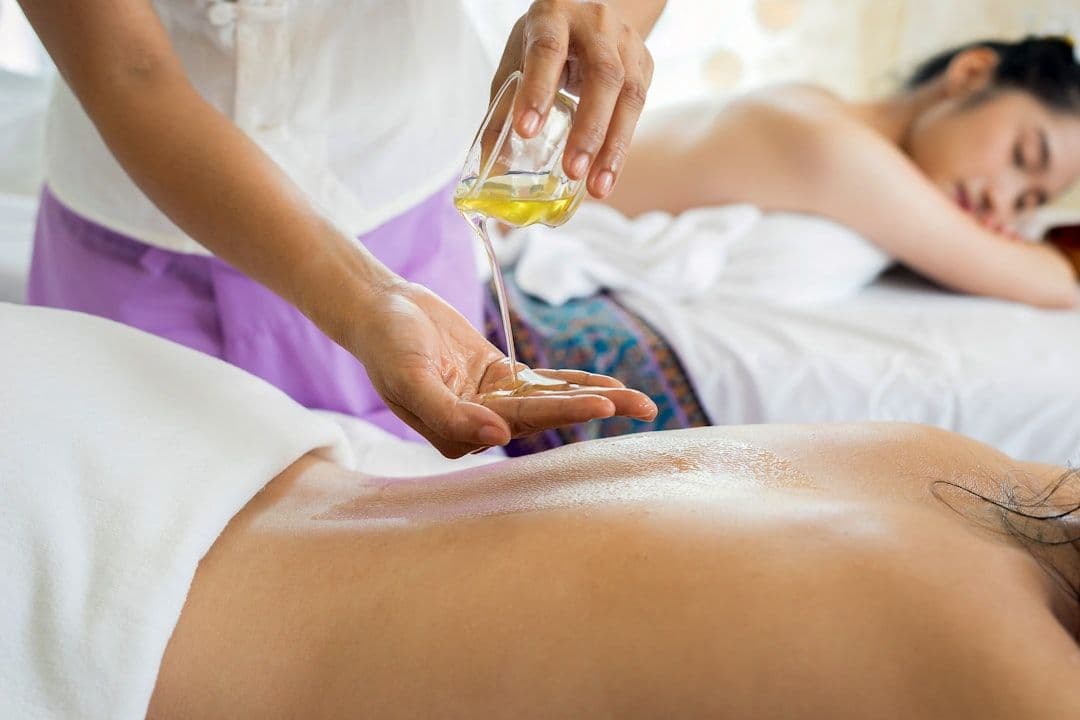
The session begins with your practitioner warming the oil blend between their palms—you'll catch the first hint of your chosen scents. They start with broad, sweeping strokes to distribute the oils and allow your body to adjust to touch. This initial phase lasts about 10 minutes, establishing rhythm and trust.
The main massage follows, typically lasting 45-60 minutes. You'll experience varying pressure and techniques—perhaps long strokes along your back, circular motions around shoulders, or gentle stretching of limbs. The oils are reapplied throughout, intensifying the aromatic experience. Your practitioner may focus on areas of particular tension you've discussed.
Sessions conclude with several minutes of lighter, integrating strokes. You're left to rest quietly for 5-10 minutes, allowing the experience to settle. The room often retains the essential oil scents, extending the sensory component even after touch has ended.
What You Might Experience
During the massage, most people notice an immediate sense of slowing down. The combination of skilled touch and carefully chosen scents can feel quite powerful—lavender might make you drowsy, whilst peppermint could feel invigorating. Some people experience emotional responses; it's not uncommon to feel tearful or unexpectedly moved.
Physically, you'll likely notice muscle tension releasing, particularly in areas the practitioner has focused on. Your breathing may naturally deepen, and you might feel warmth spreading through your body. The aromatic oils can affect you throughout the session—some people report feeling more alert with citrus blends or more grounded with woody scents like sandalwood.
After the session, many people describe feeling both relaxed and refreshed—a paradox that speaks to aromatherapy massage's dual nature. You might feel slightly lightheaded initially; this usually passes within minutes. The oil scents often linger on your skin for hours, potentially extending the relaxation response.
Not everyone responds dramatically. Some people notice subtle shifts in mood or sleep quality over the following days rather than immediate changes. Your response may vary between sessions depending on your stress levels, the oils used, and your general health.
Post-Session Care
Plan to move slowly for the first hour after your session. Drink water to support your body's natural processes, and avoid alcohol for the rest of the day. The oils on your skin will gradually absorb, so resist the urge to shower immediately unless the scents feel overwhelming.
Some people feel tired after their first session—this is normal and often indicates deep relaxation. Others feel energised. Either response can last several hours. If you feel emotional or unsettled, this often resolves within a day as your nervous system integrates the experience.
Avoid vigorous exercise for 24 hours if you've had deep tissue work combined with the oils. Light stretching or walking is fine and may enhance the benefits. Sleep often improves the night following treatment, though some people notice effects accumulating over 2-3 days.
Be cautious with sun exposure if your oils included citrus blends, which can increase photosensitivity. Your practitioner will advise you about any specific precautions based on the oils they've used.
Planning Your Treatment Course
Most people book aromatherapy massage as needed for stress relief, though some find regular sessions beneficial. If you're addressing chronic tension or sleep issues, weekly sessions for 4-6 weeks often work better than sporadic appointments.
For general relaxation and stress management, monthly or bi-monthly sessions maintain benefits without overcommitting. Some people book seasonally—perhaps monthly during particularly stressful work periods, then spacing out to quarterly maintenance sessions.
Expect to try different oil blends as you and your practitioner learn what works best for you. What feels perfect in summer might not suit winter stress levels. Many practitioners keep notes about your preferences and responses, building a personalised approach over time.
Consider your budget realistically. Regular aromatherapy massage is an investment in your wellbeing, but it shouldn't create financial stress that undermines its relaxation benefits. Many people find that even three sessions spaced over two months can provide insights into whether this approach suits them long-term.