The Art of Symbolic Interpretation
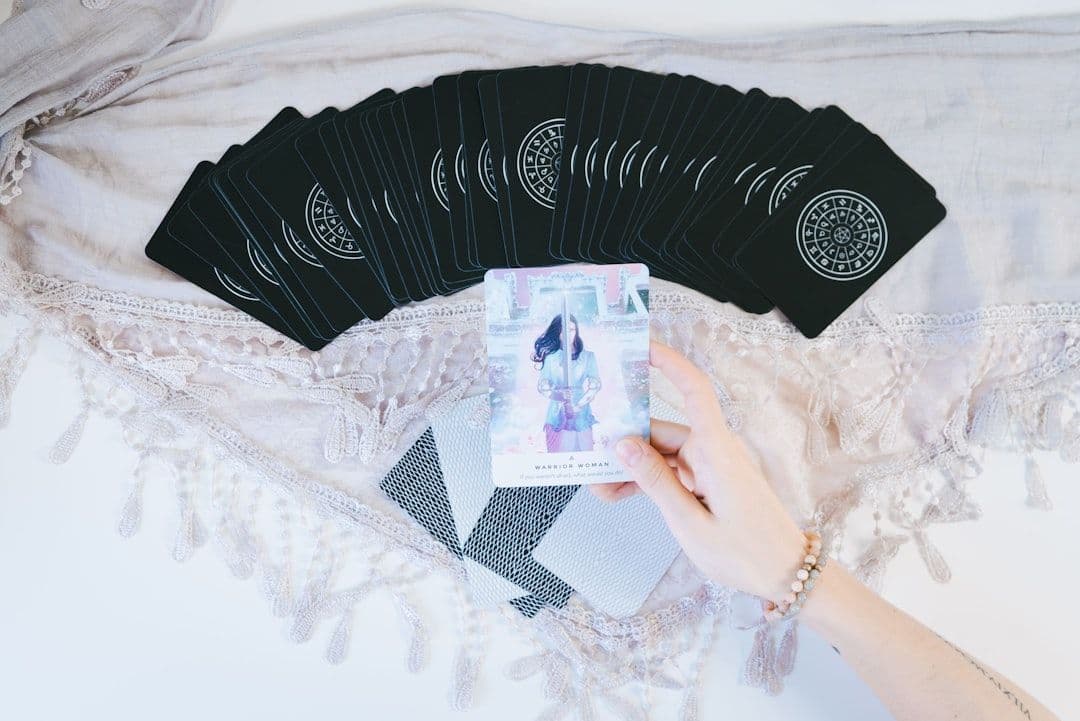
A practitioner fans seventy-eight cards across a velvet cloth, each bearing intricate artwork that has inspired contemplation for centuries. As you focus on a pressing question, she shuffles the deck with practised hands, then draws three cards in a deliberate pattern. The images before you—perhaps a tower struck by lightning, a figure balancing scales, a star shining over still water—become the foundation for a conversation about your current situation and potential paths forward.
Card reading transforms abstract symbols into personalised guidance through the practitioner's interpretation skills and your own intuitive responses. Rather than fortune-telling in the popular sense, contemporary card reading functions more as structured reflection, using symbolic imagery to illuminate aspects of situations you might not have considered. The cards themselves don't contain mystical properties; their power lies in how their archetypal images and traditional meanings prompt deeper thinking about your circumstances.
From Ancient Divination to Modern Reflection
Playing cards emerged in medieval Europe, but the symbolic systems used in modern card reading draw from much older traditions. Tarot cards, the most recognised divination deck, developed in 15th-century Italy, initially as playing cards for games. The divinatory meanings evolved later, incorporating elements from Christian symbolism, Jewish mysticism, and Renaissance philosophy.
The practice expanded significantly during the 19th-century spiritualist movement, when organised card reading systems became more accessible to the general public. The 20th century brought explosion in deck variety—oracle cards, angel cards, and themed decks addressing everything from chakras to Celtic mythology. Today's card reading reflects this diversity, with practitioners often specialising in particular deck types or interpretive approaches.
Modern card reading has shifted from predicting fixed outcomes to facilitating personal insight. Contemporary practitioners typically frame sessions as explorative conversations rather than prophetic pronouncements, acknowledging that you remain the author of your own choices.
How Symbolic Frameworks Create Meaning
Within the card reading tradition, divination operates through synchronicity—meaningful coincidences that reveal hidden connections between your internal state and external circumstances. Practitioners understand that the cards drawn at any moment reflect your current energy and situation, providing symbolic commentary on your questions or concerns.
The process begins with intention-setting as you formulate a question or area of focus. The practitioner then shuffles whilst maintaining awareness of your query, drawing cards according to a chosen spread pattern. Each position in the spread represents different aspects—past influences, current challenges, potential outcomes, hidden factors, or advised actions. The practitioner interprets the cards' traditional meanings alongside their intuitive impressions and your personal context.
From a psychological perspective, card reading might function as a sophisticated form of projection, where symbolic images trigger subconscious insights about your situation. The archetypal imagery in quality decks taps into universal themes—love, loss, growth, conflict—that resonate across cultures and personal experiences, potentially revealing perspectives that purely rational analysis might miss.
What to Expect in a Card Reading Session
A typical session begins with discussion about what areas of your life you'd like to explore. The practitioner may offer several deck options—traditional Tarot for complex life questions, oracle cards for gentler guidance, or specialised decks targeting specific themes like relationships or career. You'll often handle the cards yourself, either shuffling or simply touching the deck to establish connection.
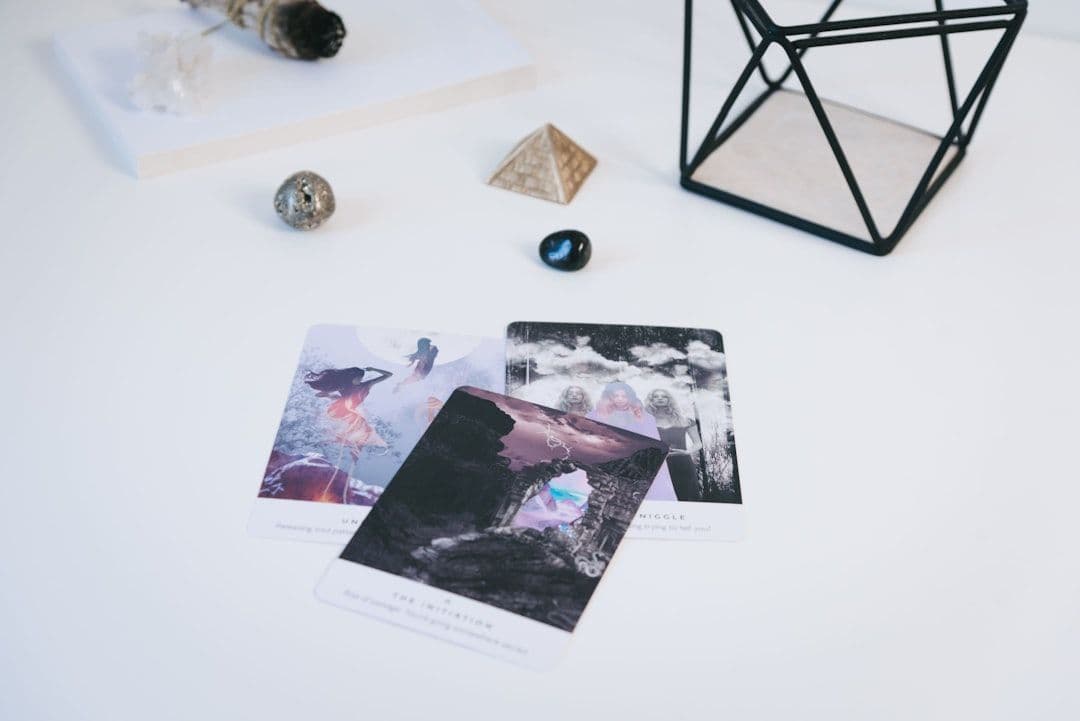
The card drawing follows a predetermined spread pattern chosen for your particular question. Simple three-card spreads might explore past-present-future or situation-action-outcome, whilst complex layouts can examine multiple life areas simultaneously. The practitioner interprets each card's meaning within its position, weaving the individual meanings into a cohesive narrative about your situation.
Sessions typically last 30-60 minutes and emphasise dialogue rather than passive listening. Quality practitioners encourage questions and invite your own interpretations of the imagery. Many provide written notes or photographs of your spread to support reflection afterwards. The atmosphere usually feels more like guided conversation than mystical ritual, though some practitioners incorporate meditation, crystal work, or other spiritual elements based on their training and your preferences.
Understanding the Traditional Knowledge Framework
Card reading operates within metaphysical traditions that understand reality as interconnected and meaningful beyond purely material explanations. These systems recognise that symbolic interpretation can reveal truths about your inner life and circumstances that conventional analysis might overlook. The practice doesn't require belief in supernatural forces—many people find value in the structured reflection and fresh perspectives that symbolic interpretation provides.
Traditional card reading acknowledges both free will and destiny, suggesting that whilst certain patterns and potentials exist in your life, you retain the power to make choices that shape outcomes. Quality practitioners emphasise this empowerment aspect, using card insights to expand your awareness of options rather than prescribing specific actions.
The divination framework also honours mystery and uncertainty as natural parts of human experience. Rather than promising definitive answers, card reading often reveals the complexity within situations and suggests multiple possible directions, reflecting the nuanced reality of most life decisions.
Finding Quality Practitioners and Understanding Costs
Professional card readers often train through established schools or mentorship programmes, though no standardised qualifications exist in the UK. Look for practitioners who belong to organisations like the Complementary & Natural Healthcare Council (CNHC) or Federation of Holistic Therapists (FHT), which provide some professional standards and insurance requirements.
Session fees typically range from £30-80 depending on duration, practitioner experience, and location. Many readers offer shorter phone or video sessions alongside in-person appointments. Some practitioners combine card reading with other modalities like counselling, astrology, or energy work, which may affect both approach and pricing.
When choosing a practitioner, consider their communication style and philosophical approach. Quality readers focus on empowerment and reflection rather than dependency or dramatic predictions. They should respect your autonomy, acknowledge the interpretive nature of their work, and encourage your own intuitive responses to the cards. Avoid practitioners who insist on expensive follow-up services, make alarming predictions, or claim their guidance supersedes practical decision-making.