Preparing for Your Session
Most practitioners suggest arriving with specific questions or life areas you'd like to explore, rather than expecting general predictions about your future. Write these down beforehand — the clarity of your intention often influences how meaningful you'll find the interpretation.
Wear comfortable clothing, as you'll be sitting for 30-60 minutes. Some readers work at low tables where you'll sit cross-legged, whilst others use conventional chairs. Avoid alcohol or recreational substances beforehand, as these can cloud your ability to engage meaningfully with the symbolic content.
Bring a notebook if you'd like to record insights, though many practitioners offer audio recordings or written summaries. Switch your phone to silent — the contemplative atmosphere helps both you and the reader focus on the interpretive process.
The Reading Unfolds
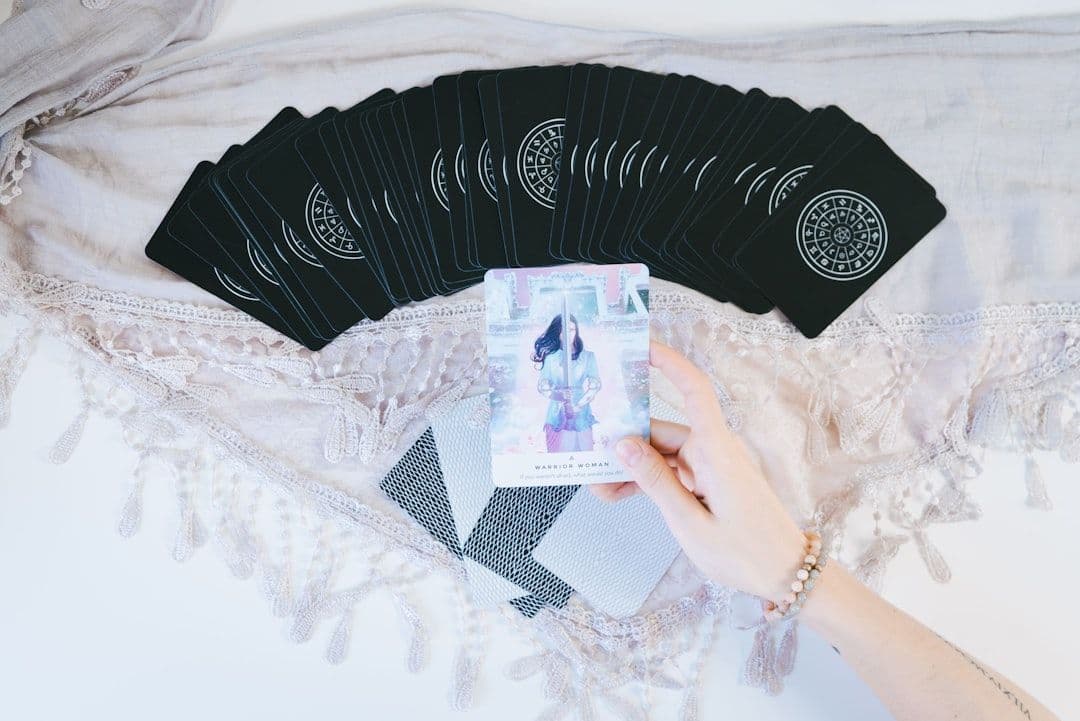
Your session typically begins with the practitioner explaining their approach and asking about your questions or focus areas. They'll select an appropriate deck — Tarot, oracle cards, or specialised themed sets — and may invite you to handle the cards briefly to establish connection.
The shuffling phase follows, during which you'll be asked to concentrate on your question whilst the reader mixes the deck. This usually takes 2-3 minutes. Some readers shuffle themselves whilst maintaining focus on your energy; others ask you to shuffle until you feel ready to stop.
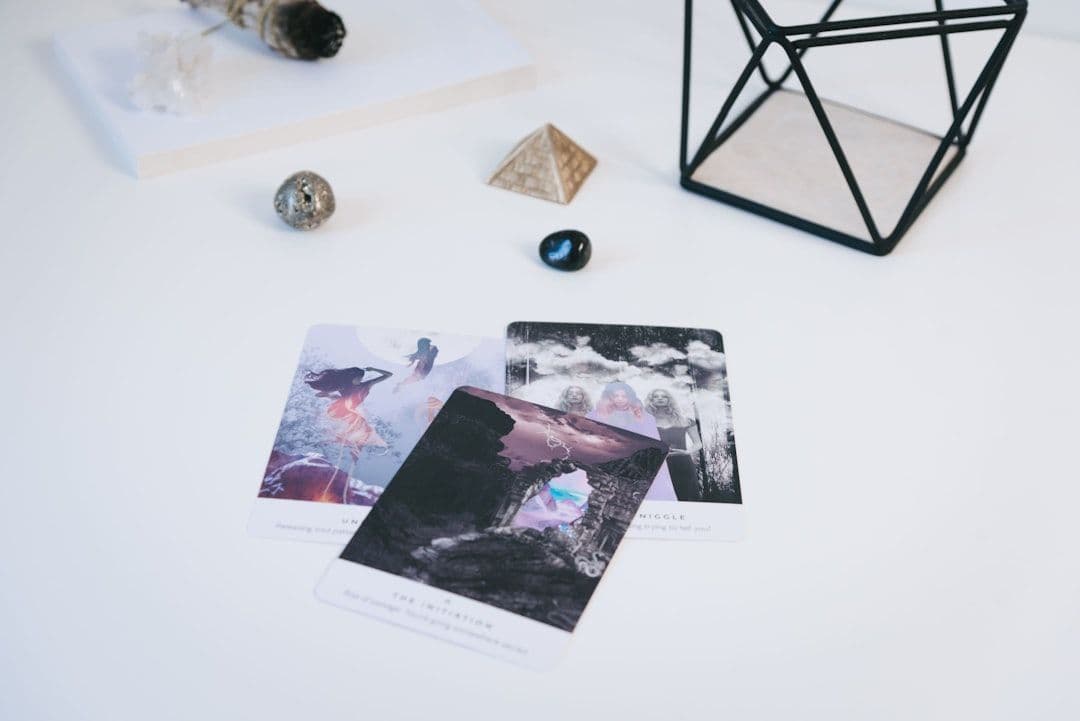
Cards are then drawn and arranged in a predetermined pattern called a spread. Simple three-card layouts explore past-present-future or situation-action-outcome themes, whilst more complex spreads like the Celtic Cross examine multiple life aspects simultaneously. The reader turns each card deliberately, often pausing to absorb initial impressions before speaking.
Interpretation forms the session's heart, typically lasting 20-45 minutes. The practitioner weaves together each card's traditional symbolism with their intuitive responses to your specific situation, creating a narrative that addresses your original questions. Expect dialogue rather than monologue — good readers encourage your reactions and associations to the imagery.
What You Might Experience
Physical responses vary considerably. Some people feel deeply relaxed, almost meditative, whilst others experience excitement or nervous energy as interpretations unfold. The rich imagery on many cards can trigger unexpected emotional responses — don't be surprised if certain symbols resonate powerfully or bring up memories you hadn't considered.
Mentally, you might notice your thinking shifting into more symbolic, associative patterns. The metaphorical language encourages different perspectives on familiar situations. Some find this immediately enlightening; others feel initially confused before insights crystallise over the following days.
After the session, many people report feeling either energised by new perspectives or emotionally stirred by themes that emerged. Both responses are normal. Some experience vivid dreams that night, whilst others find themselves noticing synchronicities or meaningful coincidences in daily life.
Post-Session Integration
Avoid making impulsive decisions immediately after your reading. Instead, let the themes and insights settle for at least 24-48 hours before acting on any guidance received. The symbolic nature of card interpretation benefits from reflection time.
Review any notes you took or recordings provided. Often, details that seemed minor during the session prove more significant upon reflection. Notice which aspects of the reading continue to resonate and which fade — this natural filtering process helps identify genuinely useful insights.
Stay hydrated and eat grounding foods if you feel emotionally stirred or energetically scattered. Some people find gentle physical activity like walking helps integrate the experience. Avoid alcohol or other substances that might cloud your ability to process the session's themes clearly.
Frequency and Follow-Up Sessions
Most people benefit from card readings as occasional rather than regular practice. Monthly or quarterly sessions work well for general life guidance, whilst some prefer readings only during significant transitions or decision points.
Avoid becoming dependent on readings for daily decisions. The practice works best when used for broader perspective-gathering rather than constant direction-seeking. If you find yourself unable to make choices without consulting cards, consider whether this dependency serves your personal growth.
Some practitioners offer follow-up sessions to explore how previous themes have developed, though this isn't essential. Single sessions often provide sufficient material for months of reflection. Trust your instincts about timing — you'll usually know when you're ready for another reading.