The Evidence Landscape: A Sparse Field
The research base for couples massage sits at an unusual intersection. Whilst massage therapy enjoys robust clinical evidence — with systematic reviews demonstrating benefits for pain reduction, stress relief, and muscle tension — couples massage as a specific practice remains virtually unstudied.
A comprehensive search of major databases reveals no randomised controlled trials examining couples massage outcomes. The evidence gap extends beyond methodology to basic descriptive research. We lack even observational studies describing physiological responses, relationship outcomes, or comparative effectiveness against individual sessions.
This absence stands in stark contrast to the substantial evidence base for individual massage therapy, where Cochrane reviews have examined effectiveness across multiple conditions. The disconnect suggests couples massage has evolved as a commercial offering rather than a clinically-driven intervention.
Extrapolating from Related Research
Without direct studies, practitioners and researchers extrapolate from two separate evidence streams. Individual massage therapy research demonstrates measurable reductions in cortisol levels, improved sleep quality, and decreased anxiety scores. A 2015 systematic review of 60 trials involving over 6,000 participants confirmed massage effectiveness for various stress-related outcomes.
Relationship psychology offers the second evidence stream. Research on shared activities shows that couples engaging in novel, arousing experiences together report increased relationship satisfaction and intimacy. Studies examining synchronized behaviours — from walking in step to breathing together — suggest that coordinated activities can enhance emotional connection.
The theoretical framework seems sound. Combining individual massage benefits with shared experience psychology could amplify both relaxation and relationship outcomes. Yet this remains hypothesis rather than demonstrated fact.
What Practitioners Report
Clinical evidence may be lacking, but practitioner observations provide insight into couples massage outcomes. Qualified massage therapists working with couples consistently report several patterns that warrant future investigation.
Many describe enhanced communication between partners during and after sessions. The shared vulnerability of massage appears to facilitate emotional openness that extends beyond the treatment room. Practitioners note that couples often synchronize their breathing naturally during sessions, even without explicit instruction.
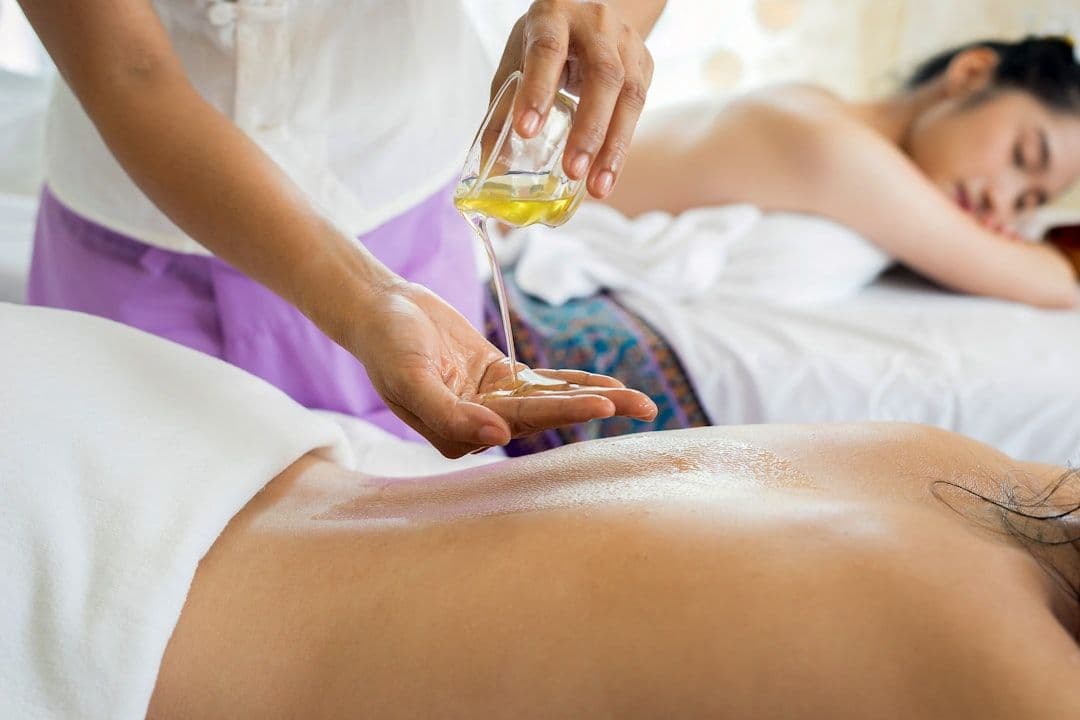
The timing element receives particular attention from experienced therapists. Unlike individual massage, couples sessions require coordination between two practitioners, creating a choreographed experience that many clients describe as deeply relaxing. The shared rhythm seems to amplify individual relaxation responses, though this observation lacks quantitative measurement.
Some practitioners report that couples massage serves as a gateway to individual massage therapy for hesitant partners. The shared experience reduces anxiety about professional touch, potentially expanding access to evidence-based massage benefits.
Limitations and Research Gaps
The evidence limitations extend beyond simple study absence to fundamental methodological challenges. How would researchers define couples massage outcomes? Individual physiological measures like cortisol or blood pressure could capture relaxation benefits, but the relationship components require entirely different assessment tools.
Relationship satisfaction scales exist, but their sensitivity to brief interventions like single massage sessions remains questionable. Long-term relationship studies would require substantial sample sizes and follow-up periods, making research financially challenging for what many view as a luxury service rather than therapeutic intervention.
The heterogeneity problem looms large. Couples massage protocols vary significantly between providers — from synchronized Swedish massage to differentiated techniques based on individual needs. This variation would complicate any attempt to study the modality as a standardised intervention.
Comparator group selection poses additional challenges. Should researchers compare couples massage to individual sessions, to other shared activities, or to no intervention? Each choice would answer different questions about the practice's unique value.
Future Research Directions
Despite the challenges, several research approaches could advance understanding of couples massage. Pilot studies examining immediate physiological responses — cortisol, blood pressure, heart rate variability — in both partners during synchronized sessions would provide basic outcome data.
Comparative studies could examine whether couples massage produces different relaxation responses than individual sessions. Such research would need to control for total therapist attention time and session duration to isolate the shared experience effect.
Longer-term relationship research might examine whether regular couples massage influences communication patterns, physical affection, or relationship satisfaction over time. These studies would require partnership with relationship researchers familiar with validated assessment tools.
Qualitative research could explore client experiences more systematically than current practitioner anecdotes allow. Understanding what couples value about shared massage sessions would inform both practice development and outcome measurement for future quantitative studies.
Until such research emerges, couples massage remains an experiential offering rather than an evidence-based intervention. The practice draws theoretical support from related fields whilst awaiting direct investigation of its unique contributions to individual and relationship wellbeing.