The Synchronised Touch Experience
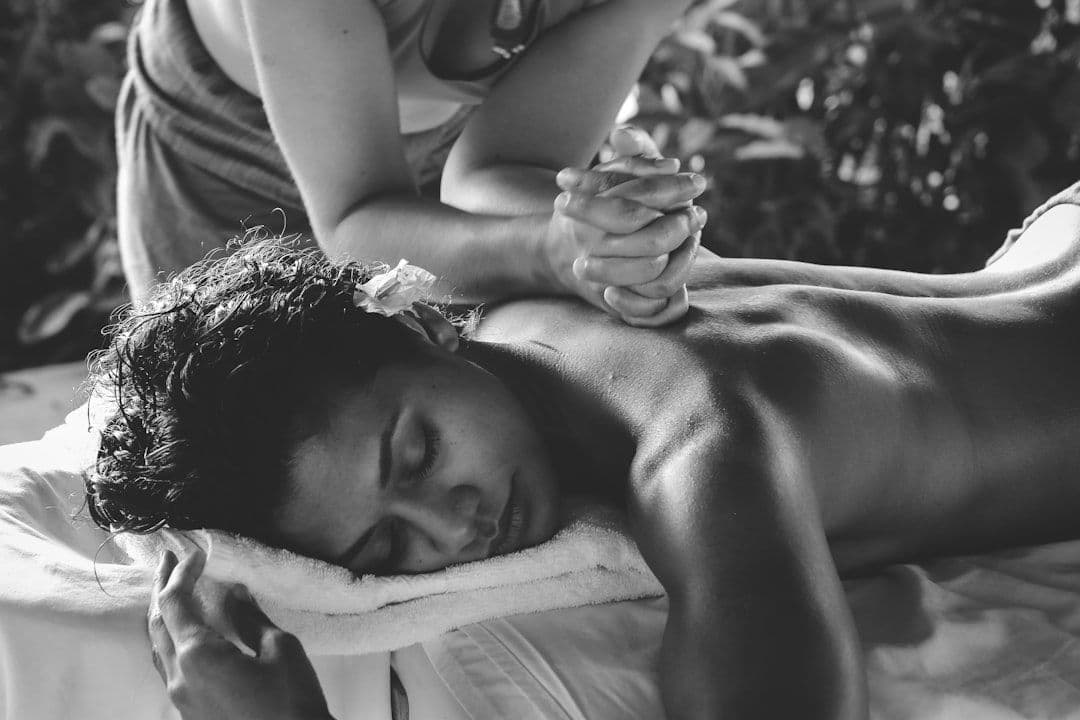
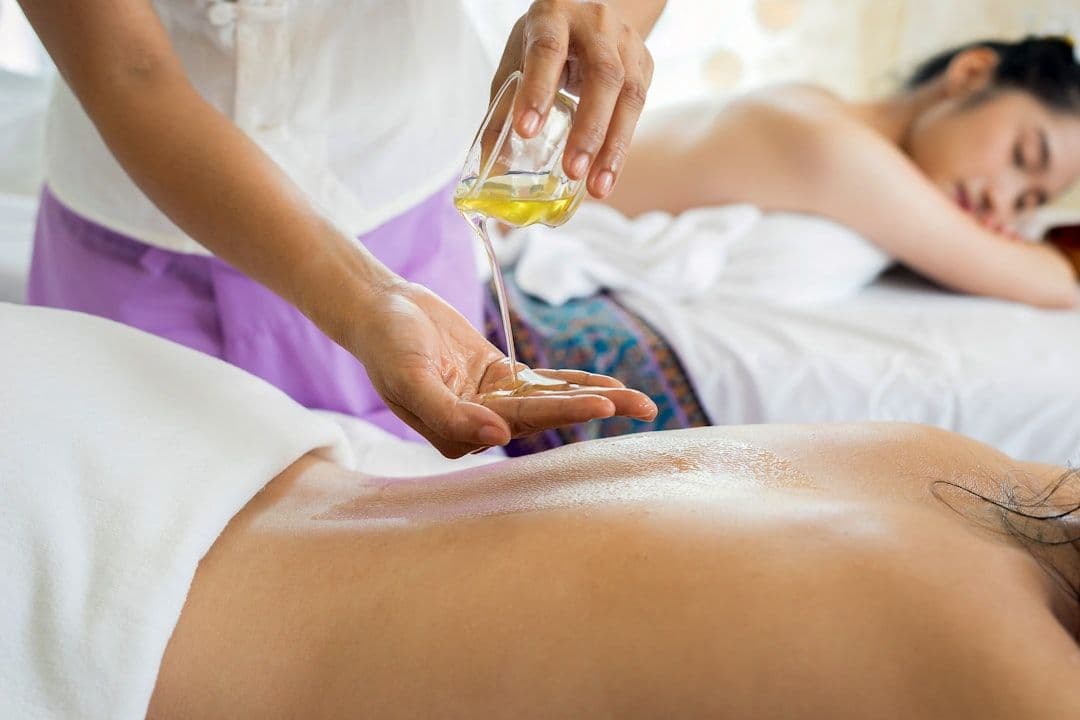
Picture two massage tables positioned side by side, soft lighting creating pools of warmth across the room, and the sound of synchronised breathing as two therapists work in parallel rhythm. This is couples massage — a practice where partners receive individual treatments simultaneously, creating an intimate shared wellness experience.
Unlike traditional massage where you're alone with your thoughts and the therapist's touch, couples massage transforms the treatment room into a space of mutual presence. Each partner receives personalised attention — different pressure levels, specific problem areas addressed, varied techniques applied — whilst remaining aware of their partner's parallel experience of relaxation and release.
The practice emerged from the recognition that wellness need not be a solitary pursuit. Many couples find that sharing the vulnerability of massage — the letting go, the deep breathing, the gradual release of tension — creates a unique form of intimacy that extends beyond the treatment room.
From Luxury Indulgence to Wellness Practice
Couples massage evolved from the luxury spa industry of the 1990s, initially marketed as romantic indulgence for special occasions. Resort spas began offering side-by-side treatments as premium experiences, capitalising on the growing wellness tourism market.
The practice has since broadened beyond romantic partnerships. Some spas now offer sessions for friends, family members, or even colleagues seeking shared stress relief. This evolution reflects a growing understanding that therapeutic touch, when experienced collectively, can strengthen various types of relationships.
Whilst rooted in commercial spa culture rather than traditional healing systems, couples massage has drawn techniques from established massage traditions — Swedish, deep tissue, hot stone, and aromatherapy treatments all translate well to the paired format. The adaptation lies not in the massage techniques themselves, but in the orchestration of simultaneous delivery.
The Neurobiology of Shared Relaxation
From a physiological standpoint, couples massage leverages the well-documented benefits of therapeutic touch whilst adding elements of social bonding. Massage therapy reliably activates the parasympathetic nervous system, reducing cortisol levels and promoting the release of endorphins and oxytocin — the same hormone associated with bonding and attachment.
When partners experience this neurochemical shift simultaneously, practitioners report observing enhanced relaxation responses. The shared environment appears to amplify the calming effects, possibly through a phenomenon called emotional contagion — where one person's relaxed state influences their partner's ability to let go of tension.
The synchronised timing also creates what therapists describe as a meditative quality to the session. Unlike individual massage where your mind might wander to work stress or daily concerns, the awareness of your partner's presence often anchors attention in the immediate sensory experience. This heightened mindfulness may enhance the therapeutic benefits of the touch itself.
Who Finds Value in Paired Treatment
Couples massage particularly appeals to partners who struggle to prioritise self-care individually but find motivation in shared experiences. Many clients report feeling "permission" to fully relax when their partner is doing the same, removing the guilt that sometimes accompanies solo wellness treatments.
The practice also serves couples navigating stressful life periods — new parents craving simultaneous rest, busy professionals needing to reconnect with physical presence rather than digital communication, or partners recovering from illness who want gentle, healing touch together.
Interestingly, massage-hesitant individuals often feel more comfortable trying bodywork for the first time alongside a trusted partner. The shared experience reduces anxiety about the unknown, whilst allowing both people to discover their preferences for pressure, techniques, and communication with therapists.
Inside a Typical Session
Sessions begin with both partners completing intake forms and discussing any areas of concern with their respective therapists. The room setup varies — some venues use one large room with two tables, whilst others prefer adjoining rooms with open doorways to maintain intimacy whilst allowing privacy for individual needs.
Most couples massage sessions last 60 to 90 minutes, beginning and ending simultaneously. Therapists often coordinate their timing for major transitions — starting with back work, moving to arms and legs, finishing with neck and shoulders. This synchronisation creates a sense of shared ritual whilst allowing each therapist to address individual muscular needs.
During treatment, conversation varies by preference. Some couples enjoy quiet connection — holding hands during face-up portions, sharing gentle smiles when making eye contact. Others prefer complete silence to maximise relaxation. Experienced therapists read the room's energy and adjust their approach accordingly, maintaining the shared atmosphere whilst delivering effective individual treatment.
Evidence and Practitioner Observations
Clinical research specific to couples massage remains limited, with most evidence extrapolated from general massage therapy studies. Individual massage has robust support for reducing muscle tension, improving circulation, and lowering stress hormones — benefits that logically extend to the coupled format.
Practitioners consistently report that couples massage creates deeper relaxation than individual sessions for many clients. They observe enhanced treatment outcomes when partners feel supported in their wellness choices, and note that couples often book more regular massages after experiencing the shared format.
The relationship benefits, whilst harder to measure clinically, form a significant part of the practice's value. Therapists describe witnessing increased physical affection between partners post-treatment, improved communication about physical needs, and greater openness to ongoing wellness practices. These observations, whilst anecdotal, align with broader research on shared positive experiences strengthening relationship bonds.
Finding Quality Practitioners and Planning Sessions
Couples massage requires two qualified massage therapists, so verify that venues have adequate staffing rather than splitting one therapist's attention. Look for practitioners registered with professional bodies like the Complementary & Natural Healthcare Council or Federation of Holistic Therapists.
Expect to pay £150-300 per couple for a 60-90 minute session, with luxury spas commanding higher fees than therapeutic massage clinics. Day spas often bundle couples massage with other treatments, whilst wellness centres may offer standalone sessions at lower cost.
Book well in advance, particularly for weekends or special occasions, as coordinating two therapists' schedules can be challenging. Discuss any significant health concerns, injuries, or preferences during booking. Many venues offer brief consultations before treatment to ensure both partners receive appropriate care.
Consider starting with a shorter session if either partner is new to massage therapy. The shared experience can feel vulnerable initially, and a 60-minute introduction allows you to gauge comfort levels before committing to longer treatments.