The Evidence Landscape
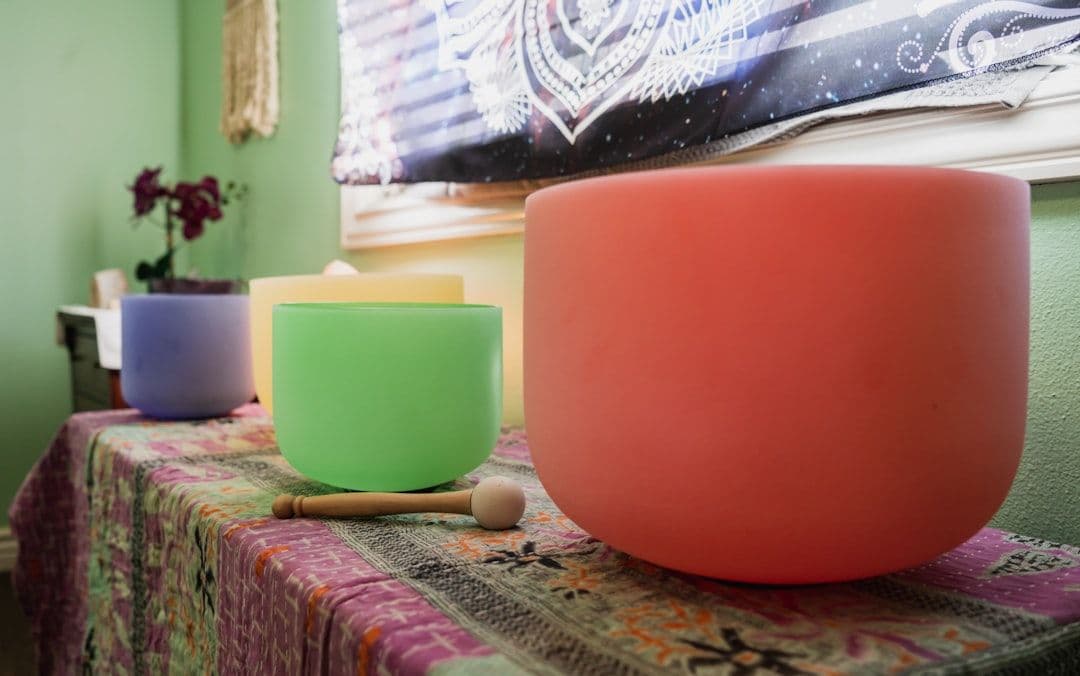
Crystal singing bowls occupy a unique position in the sound therapy world — widely used yet barely studied. No peer-reviewed clinical trials have specifically examined the therapeutic effects of crystal bowl sessions. This absence of formal research doesn't reflect neglect by the scientific community but rather the practice's origins within metaphysical traditions that operate on different knowledge systems.
The closest research parallel comes from broader sound therapy studies. A 2020 systematic review examining various sound interventions found moderate evidence for stress reduction and improved mood, though most studies focused on Tibetan bowls or recorded music rather than crystal instruments. The methodological challenges are significant: how do you blind participants to a sound intervention? How do you separate the effects of the sound itself from the meditative context?
What exists instead is a rich tradition of practitioner observation and client feedback spanning several decades. Within sound therapy circles, practitioners report consistent patterns in client responses — deep relaxation, altered states of consciousness, and subjective experiences of energetic shifts — though these remain outside formal research frameworks.
Related Research Findings
While crystal bowls themselves lack specific study, research on related sound modalities offers relevant insights. Studies on Tibetan singing bowls have shown measurable effects on stress markers and brain activity. A 2016 study of 62 participants found significant reductions in tension, anxiety, and physical pain following a singing bowl session, with effects measured using validated psychological scales.
Vibroacoustic therapy research — using low-frequency sound vibrations applied directly to the body — has demonstrated effects on pain perception and muscle tension in several small trials. The frequencies used (typically 20-120 Hz) differ substantially from crystal bowls (often 200-800 Hz), but the research suggests that sustained tones can influence physiological states.
Neurological studies using EEG have shown that rhythmic auditory stimulation can indeed influence brainwave patterns, supporting the theoretical basis for entrainment effects that crystal bowl practitioners often describe. However, these studies typically use carefully controlled frequencies and durations unlike the variable nature of live crystal bowl sessions.
Research Gaps and Limitations
The primary limitation is simple: crystal singing bowls haven't been studied in controlled clinical settings. This creates several knowledge gaps. We don't know optimal session lengths, frequencies, or protocols. We can't predict who might respond most favourably or identify potential adverse effects beyond immediate sound sensitivity.
Even within the broader sound therapy research, methodological issues persist. Sample sizes remain small — typically 20-80 participants. Control conditions vary widely, from silence to recorded nature sounds. Outcome measures focus heavily on self-reported symptoms rather than objective physiological markers. Publication bias likely favours positive results, as small negative studies often remain unpublished.
The metaphysical framework within which crystal bowls operate presents unique research challenges. How do you measure 'chakra balancing' or 'energetic clearing' using conventional scientific methods? These concepts exist within complete cosmological systems that don't translate easily into randomised controlled trial designs.
Evidence-Based vs Traditional Frameworks
The absence of clinical research doesn't invalidate the crystal bowl experience for those who find value in it. These instruments operate within sound healing traditions that emphasise subjective, phenomenological knowledge — what people actually experience during sessions. Within this framework, the quality of the sound, the intention of the practitioner, and the receptivity of the participant all matter more than measurable physiological changes.
What the limited related research does support is the general principle that sustained, pure tones can influence relaxation responses. Whether crystal bowls offer unique benefits over other sound modalities remains unknown. The quartz crystal material produces distinctively clear, sustained tones that many people find more aesthetically pleasing than metal bowls, though this preference hasn't been systematically studied.
Clinical evidence supports sound therapy as a low-risk intervention for stress reduction and relaxation. Crystal singing bowls represent one specific application of this broader category, distinguished more by their unique acoustic properties and the metaphysical context in which they're typically used than by any proven therapeutic mechanisms.
Future Research Directions
Meaningful research on crystal singing bowls would require studies designed with respect for both scientific rigour and the practice's traditional context. Feasible approaches might include observational studies documenting physiological responses during sessions — heart rate variability, cortisol levels, or brain imaging — without necessarily claiming therapeutic mechanisms.
Comparative studies could examine whether crystal bowls produce different physiological or subjective effects compared to Tibetan bowls or recorded sounds. Such research would need careful attention to standardising session protocols whilst preserving the authentic practice context that practitioners consider essential.
Qualitative research exploring how people describe and integrate crystal bowl experiences could provide valuable insights into the practice's subjective dimensions. These phenomenological studies wouldn't prove therapeutic efficacy but would document the range of human responses to this unique sound modality.
Ultimately, the most important research question may not be whether crystal singing bowls 'work' in a clinical sense, but rather how they function within the broader landscape of contemplative practices and sound-based meditation techniques.