What Are Crystal Singing Bowls?
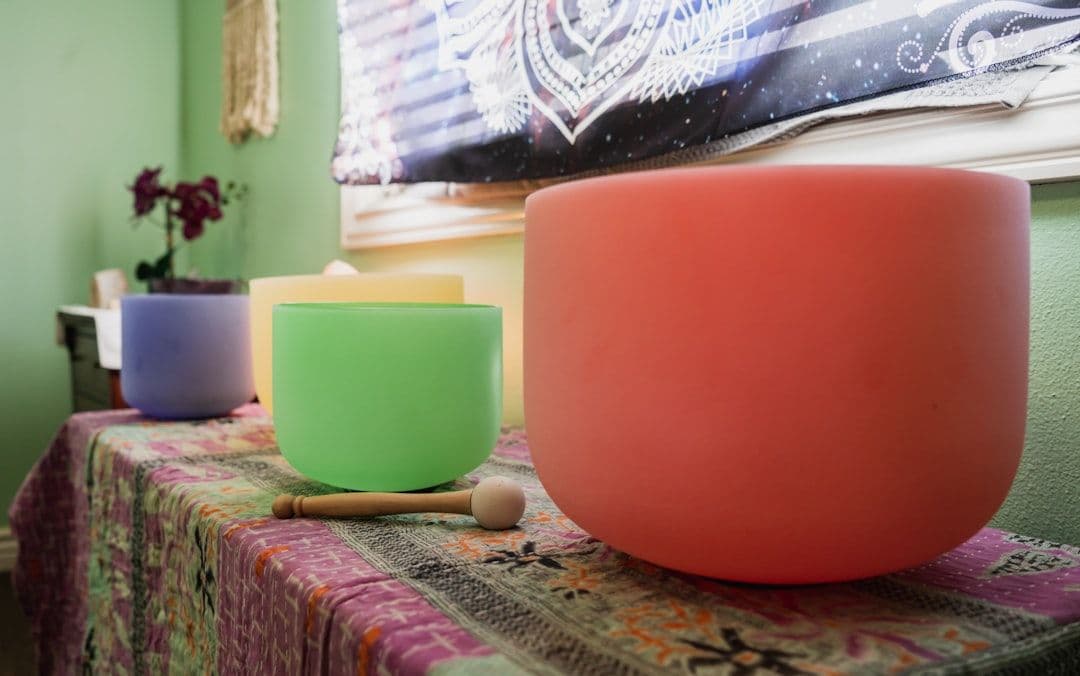
The sound begins before you see the bowl - a sustained, crystalline tone that seems to hang in the air long after the mallet has moved away. Crystal singing bowls are precisely that: bowls crafted from quartz crystal that produce pure, resonant tones when struck or when a mallet is circled around their rim.
Unlike Tibetan metal singing bowls, these instruments are made from crushed quartz that's heated to extremely high temperatures and formed into bowl shapes. The resulting instruments produce remarkably pure tones with long sustain and complex overtones that can fill a room with layered sound.
Practitioners play these bowls individually or in sets, creating what they describe as 'sound baths' - immersive experiences where participants lie down whilst the bowls are played around them. The goal isn't musical performance but rather the creation of a sonic environment intended to induce relaxation and altered states of consciousness.
Origins and Development
Crystal singing bowls emerged in the 1980s in the United States, making them relative newcomers to the sound healing world. They developed alongside the New Age movement's interest in crystal healing and vibrational medicine, combining elements from Tibetan bowl traditions with contemporary metaphysical practices.
The bowls themselves are products of modern technology rather than ancient tradition. They're manufactured using industrial processes originally developed for creating quartz laboratory equipment, then adapted for sound healing purposes. This technological origin distinguishes them from traditional instruments that evolved over centuries within specific cultural contexts.
The practice has grown rapidly within complementary therapy circles, with practitioners often incorporating concepts from chakra systems, energy medicine, and sound frequency theories. Some also blend the bowls with other modalities such as Reiki, meditation guidance, or aromatherapy.
How Crystal Bowl Sound Therapy Works
Within the sound healing framework, practitioners understand crystal bowls as tools for creating vibrational harmony within the body's energy system. Each bowl is often associated with specific chakras or energy centres, with different sizes and pitches believed to resonate with different aspects of wellbeing.
The sustained tones are thought to 'entrain' brainwave activity, potentially shifting recipients towards slower frequency patterns associated with relaxation and meditative states. Practitioners also believe the vibrations can release energetic blockages and restore what they term 'vibrational equilibrium' throughout the body's energy field.
From a physiological perspective, the sustained, pure tones may activate the parasympathetic nervous system through auditory pathways, whilst physical vibrations from nearby bowls could potentially stimulate mechanoreceptors in the skin and deeper tissues. The focused listening required may also function similarly to mindfulness meditation, directing attention away from internal chatter towards present-moment awareness.
What to Expect in a Session
Most crystal bowl sessions take place in softly lit, comfortable spaces with participants lying on yoga mats or massage tables. You'll typically be encouraged to wear loose, comfortable clothing and may be offered blankets or eye pillows to enhance comfort.
Sessions usually begin with brief guidance about relaxing and allowing the sounds to wash over you. The practitioner then plays various bowls - sometimes moving around the room, sometimes placing smaller bowls near or on your body. The experience is largely passive; your role is simply to listen and notice what arises.
Most people report feeling progressively more relaxed as sessions continue, with some describing altered states of consciousness, visual imagery, or emotional releases. Others simply enjoy the meditative quality of sustained, beautiful sounds. Sessions typically conclude gradually, with gentler tones and time to slowly return to normal awareness.
Group sessions are common and often more affordable than individual work. Private sessions may incorporate discussion of specific intentions or challenges you'd like to address through the sound experience.
Finding a Practitioner and Practical Considerations
Crystal bowl practitioners often train through sound healing schools or receive mentorship from experienced practitioners, though there's no single governing body for this modality. Look for practitioners who've completed comprehensive training programmes rather than weekend workshops, and who can clearly explain their approach and experience.
Many practitioners are also qualified in other complementary therapies such as massage, Reiki, or counselling. Membership of organisations like the CNHC or FHT can indicate commitment to professional standards, though specific crystal bowl certifications may vary.
Group sessions typically cost £15-30 per person, whilst private sessions range from £40-80 depending on duration and location. Most practitioners recommend starting with single sessions to gauge your response before committing to packages. Sessions are usually offered weekly or monthly rather than intensive programmes.
Some people find crystal bowl sounds deeply moving from their first experience, whilst others need several sessions to appreciate the subtleties. The practice requires no special preparation or beliefs, though approaching it with openness and curiosity tends to enhance the experience.