Before Your Session: Connecting with Intention
Your practitioner will likely ask you to bring something meaningful from nature — perhaps a stone that caught your attention on a recent walk, leaves from a tree in your garden, or water collected from a natural source. These items become part of the session's focus, so choose something that feels significant rather than grabbing anything at random.
Wear comfortable, natural fabrics if possible. Many practitioners work outdoors or in spaces that feel connected to the earth, so dress for potential weather changes. Avoid synthetic fragrances, as the session may involve working with plant medicines and natural scents. Some practitioners ask you to fast lightly beforehand or avoid alcohol for 24 hours, particularly if herbal preparations are planned.
Prepare to discuss not just physical concerns but your relationship with natural cycles. When do you feel most energised during the day or year? What draws you to spend time outdoors? This information helps the practitioner understand how to work within your natural rhythms.
The Session Unfolds: Ceremony Meets Consultation
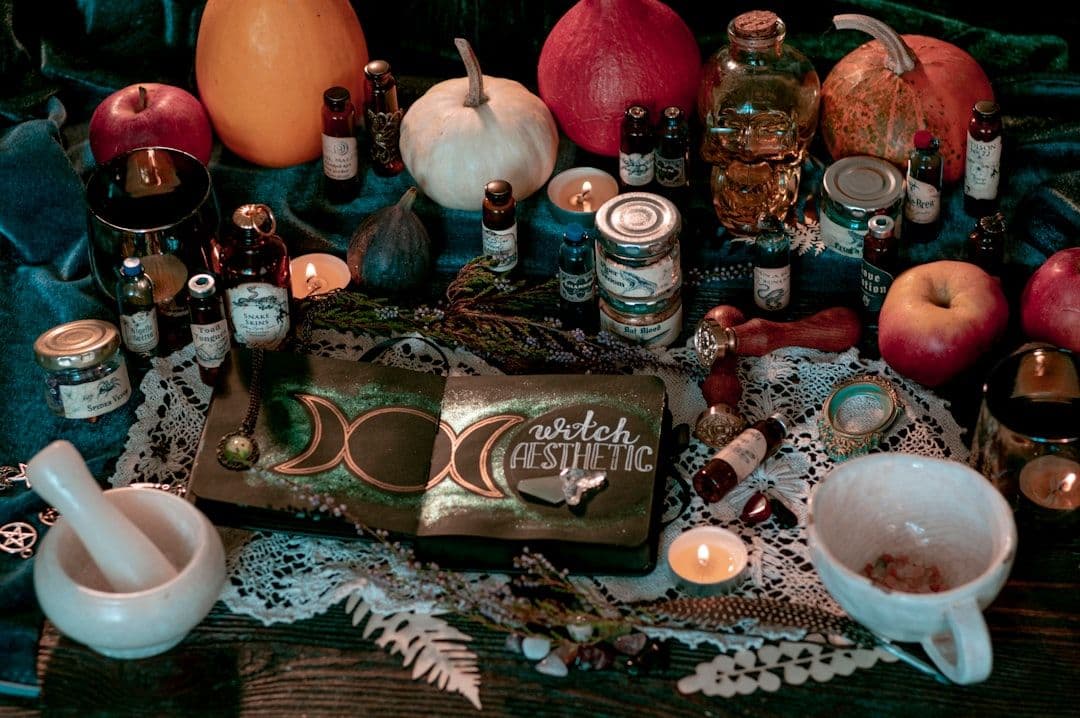
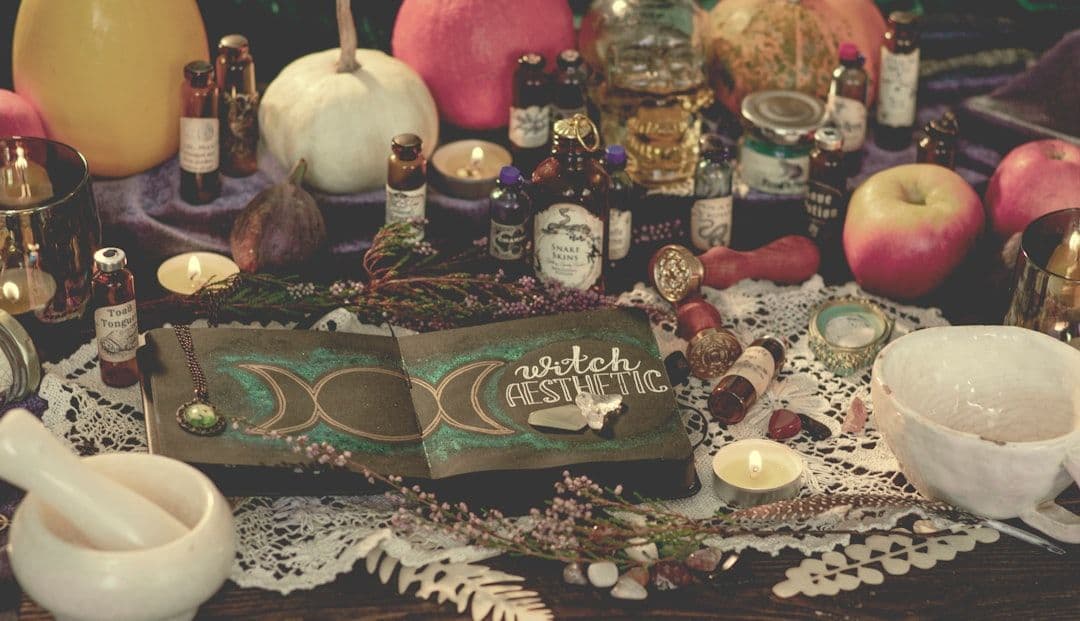
Sessions typically begin with what feels like a blend of herbal consultation and gentle ceremony. Your practitioner might start by creating a simple sacred space — lighting a candle, arranging natural objects, or speaking a few words of acknowledgment to the directions or elements. This isn't theatrical; it's more like a moment of quiet intention-setting.
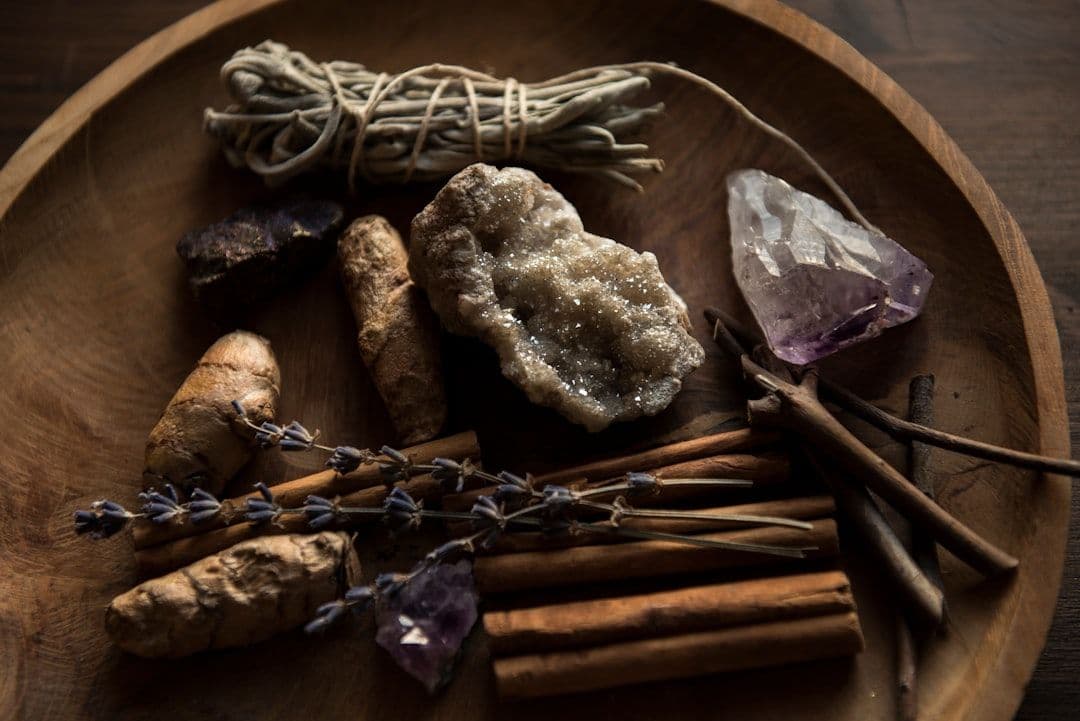
The herbal consultation forms the practical heart of most sessions. Expect detailed questions about your health history, sleep patterns, and relationship with seasonal changes. Many practitioners use traditional Celtic plant lore alongside modern herbal knowledge, so you might hear about plants you've never encountered alongside familiar herbs like nettle or elderflower.
The middle portion often involves hands-on work. This might include gentle energy work whilst you lie clothed on a treatment table, or the practitioner might guide you through a visualisation connecting you to natural landscapes. Some sessions include simple ritual elements — perhaps blessing water you've brought or creating a small offering to place outside later.
Sessions typically last 60 to 90 minutes, with the final portion focused on integration. Your practitioner will likely prepare a herbal blend to take home and suggest ways to maintain the session's focus through simple daily practices.
What You Might Experience: Subtle Shifts and Natural Rhythms
During the session, people commonly report feeling more grounded than when they arrived. The combination of slowing down, focusing on natural elements, and receiving individual attention often creates a sense of settling. Some notice warmth in their hands or feet, or a feeling of gentle energy moving through their body during any hands-on work.
Emotional responses vary considerably. You might feel unexpectedly moved by the simple ceremony, or find yourself thinking about family connections to the land. Others experience a quiet sense of belonging or homecoming that's difficult to articulate. Some people feel very little during the session itself but notice shifts in the following days.
In the hours after your session, many people report sleeping particularly well or having vivid dreams. The herbal preparations often support this deeper rest. You might find yourself more aware of natural light, seasonal changes, or the weather. Some people describe feeling more patient with life's daily rhythms rather than fighting against them.
Aftercare: Honoring the Work
Take your herbal preparations as directed, but start with smaller amounts if you're sensitive to new substances. Keep a simple journal for a few days, noting any changes in sleep, mood, or awareness rather than looking for dramatic shifts. Many people find benefit in spending at least a few minutes outdoors each day following their session, even if it's just stepping into a garden or park.
Avoid rushing back into intense social situations immediately after your session. The practice emphasises slowing down and connecting with natural rhythms, so honour that by maintaining some gentleness with yourself. If you placed any offerings outdoors as part of your session, visit that spot again within a week to notice any changes in how the space feels to you.
Pay attention to your relationship with food, sleep, and seasonal changes over the following lunar cycle. This tradition works with longer timeframes than many complementary practices, so shifts often unfold gradually rather than immediately.
Course of Treatment: Following Natural Cycles
Rather than weekly appointments, Druidic Healing often follows natural rhythms. Many practitioners suggest sessions at seasonal transitions — the equinoxes and solstices that mark significant shifts in the year's energy. Others work with lunar cycles, offering sessions around new or full moons depending on whether you're focusing on beginning something new or releasing what no longer serves.
A typical course might involve four sessions across a year, each timed to seasonal changes, with the herbal and ritual focus adjusted accordingly. Spring sessions often emphasise renewal and new growth, whilst autumn work focuses on harvesting insights and preparing for quieter months.
Some people choose intensive weekend workshops that combine multiple sessions with outdoor time and group ceremonial work. Others prefer the depth that comes from working with the same practitioner across several seasons, building understanding of how your own rhythms align with natural cycles. The approach emphasises quality and timing over frequency, working with the pace of natural change rather than forcing therapeutic timelines.