Preparing for Your Session
Wear comfortable, loose-fitting clothing that won't distract you when sitting still for 30-45 minutes. Layers work well, as body temperature often drops during deep relaxation. Avoid tight waistbands, restrictive collars, or anything that might dig in when seated.
Eat lightly beforehand — a growling stomach proves distracting, but a heavy meal can make you drowsy. Have your last substantial meal 2-3 hours before the session. Limit caffeine for at least two hours prior, as it can interfere with the settling process.
Bring a small water bottle and perhaps a light blanket or shawl. Many practitioners find they cool down as their metabolism slows. Remove or switch off mobile phones, watches, and any devices that might interrupt the session. If you wear contact lenses and find them uncomfortable when keeping your eyes closed for extended periods, consider wearing glasses instead.
The Session Unfolds
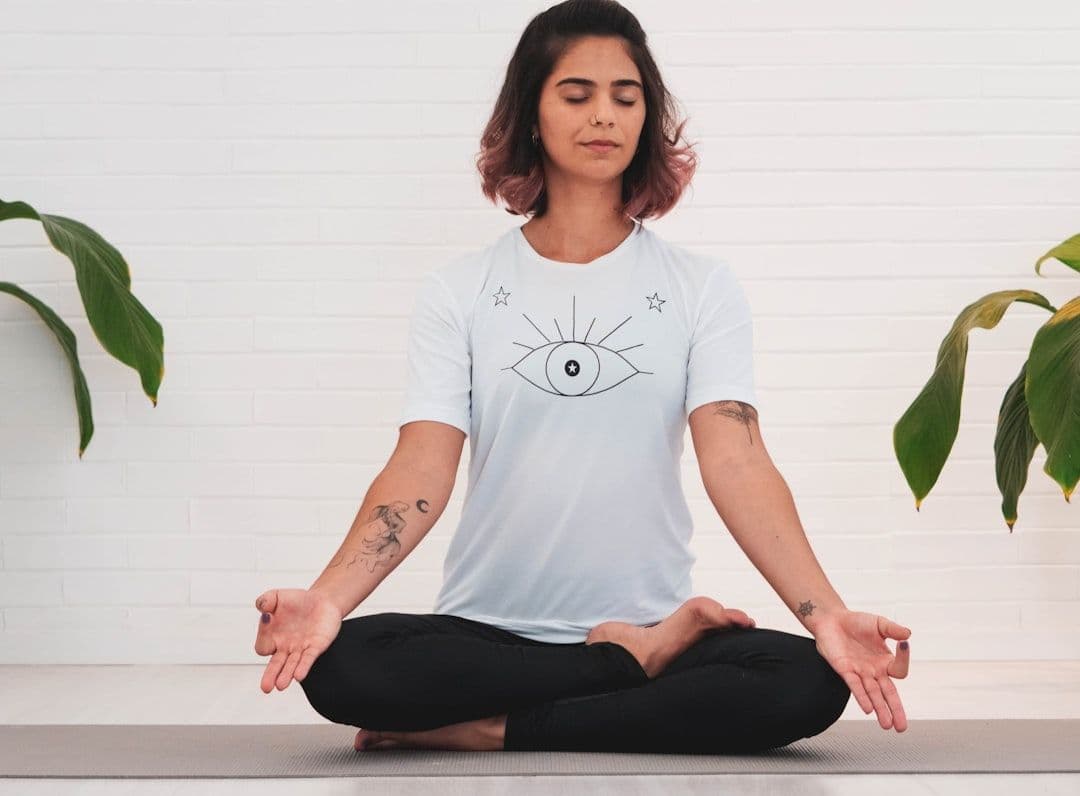
You'll typically be invited to sit comfortably in a chair or on a cushion, though some sessions allow lying down. The instructor will explain what to expect and address any questions before beginning. This introduction phase usually lasts 5-10 minutes and helps establish trust with the guide's voice.
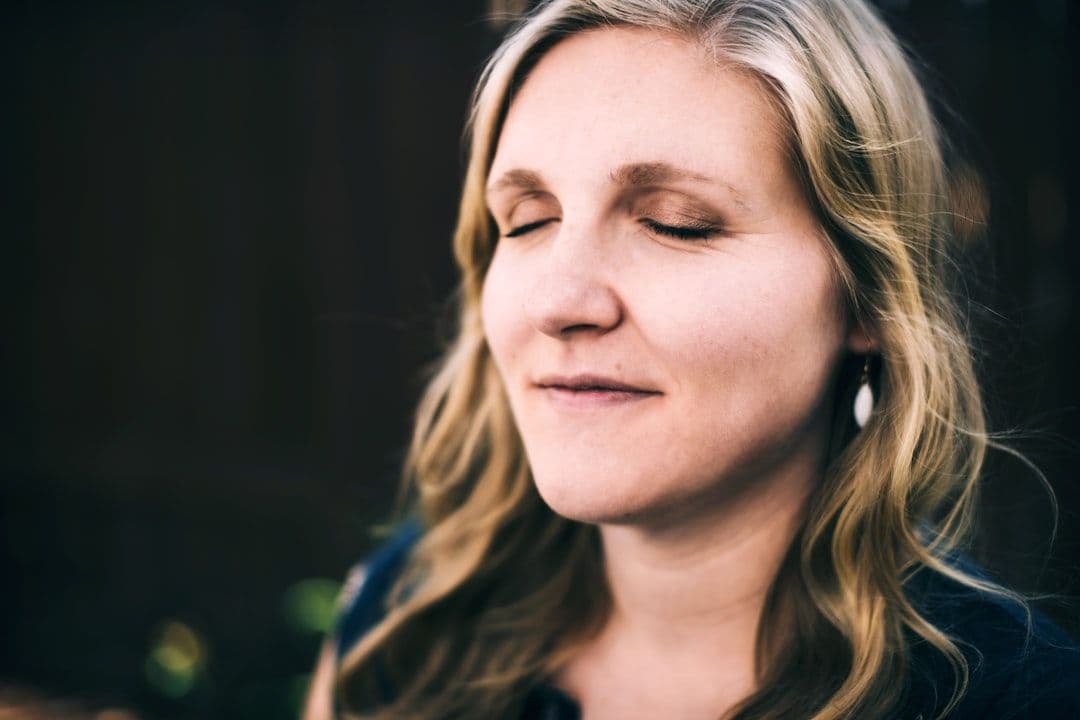
The session proper begins with the simple instruction to close your eyes. The guide will first lead you through a body scan or breathing exercise to help you settle. You might be asked to notice the weight of your body, the rhythm of your breath, or the sounds around you. This anchoring phase typically lasts 5-10 minutes.
The main guided portion follows, lasting 20-30 minutes. The instructor's voice becomes your primary focus as they offer imagery, breathing cues, or awareness exercises. You might be guided to visualise peaceful scenes, follow your breath, or simply notice thoughts without judgement. The guide's tone usually becomes softer and more spacious as the session deepens.
The session concludes with a gentle return to normal awareness. The guide will invite you to wiggle fingers and toes, take deeper breaths, and slowly open your eyes. This transition period is crucial — rushing back to activity can feel jarring and diminish the session's benefits.
What You Might Experience
Physical sensations vary widely between individuals and sessions. Many people report feeling deeply relaxed, with slower breathing and a sensation of heaviness or lightness in the body. Some experience tingling, warmth, or coolness in different areas. Your heart rate typically slows, and you might notice your body temperature dropping slightly.
Mentally, expect your thoughts to shift and change throughout the session. Initial mental chatter often settles into quieter states, though some people experience waves of thoughts coming and going. Don't worry if your mind feels busy — this is completely normal, especially in early sessions.
Emotionally, responses span a broad spectrum. Some people feel profoundly peaceful and centred. Others might experience unexpected emotions surfacing — sadness, joy, or old memories arising. Occasionally, people feel restless or impatient, particularly when first learning to be still with themselves.
After opening your eyes, many practitioners report feeling refreshed yet calm, as if waking from restorative sleep. Colours might appear more vivid, and you may feel more present and grounded. Some describe a sense of inner spaciousness that continues for several hours.
Aftercare and Integration
Avoid rushing immediately back into demanding activities. Give yourself at least 10-15 minutes to fully return to normal awareness. Drink water and move gently — your blood pressure may have dropped during deep relaxation.
Some people feel energised after sessions, whilst others feel pleasantly drowsy. If you're driving home, take a few minutes to ensure you feel fully alert. The meditative state can occasionally linger, affecting reaction times.
Journal about your experience whilst it remains fresh, noting physical sensations, emotions, or insights that arose. This helps track patterns and progress over time. Avoid alcohol for several hours after sessions, as your nervous system may be more sensitive than usual.
Benefits often unfold gradually over the following 24-48 hours. Many people report improved sleep quality the night following a session, reduced reactivity to daily stressors, and a general sense of emotional equilibrium. Don't expect dramatic changes immediately — the practice works cumulatively.
Building a Practice
Most instructors recommend starting with weekly sessions for 6-8 weeks to establish familiarity with the process. This regularity helps your nervous system learn to settle more quickly and deeply. Single sessions can be beneficial, but consistent practice yields more substantial and lasting changes.
After this initial period, many people shift to fortnightly sessions whilst developing their own home practice. Some prefer monthly top-up sessions combined with guided recordings for regular practice. The frequency that works best varies considerably between individuals.
Group sessions often cost £12-25, whilst individual guided sessions range from £40-80. Many instructors offer recordings of sessions for home practice, helping bridge the gap between formal sessions. Online options have expanded significantly, though many practitioners find the in-person experience more potent for establishing the practice initially.