Practice Structure
Common approaches include journaling about positive experiences or expressing appreciation toward others.
Gratitude practices often involve journaling or reflective exercises.
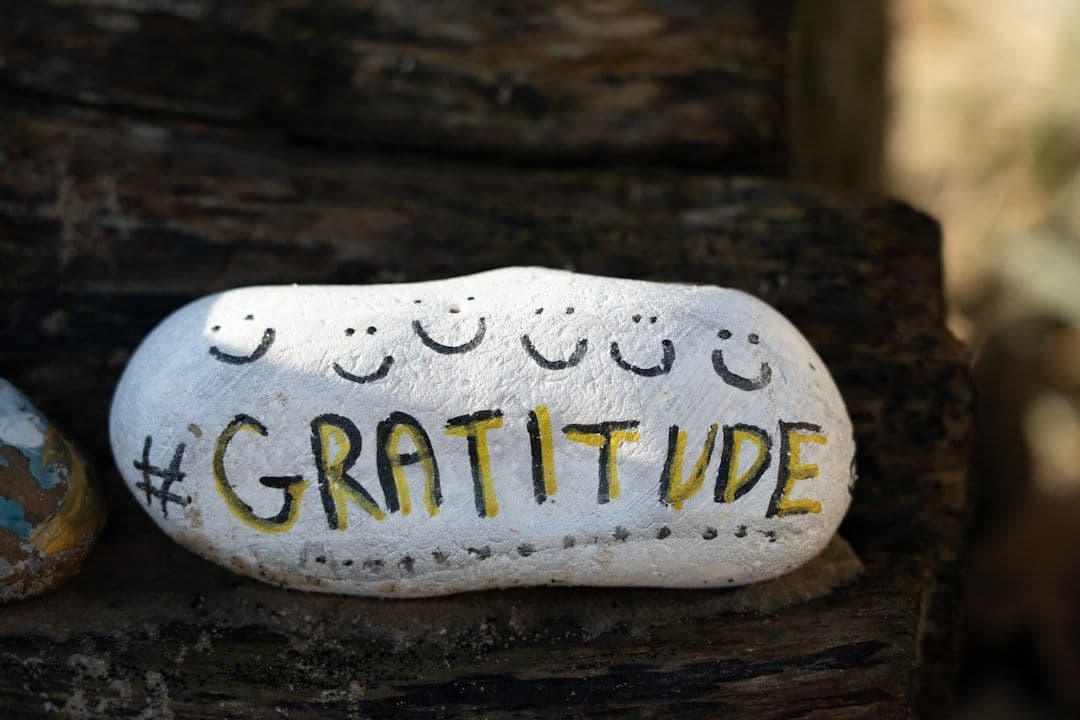
Photo by Nick Fewings on Unsplash
Quick answer
Gratitude sessions may include writing or reflecting on experiences that evoke appreciation.
Common approaches include journaling about positive experiences or expressing appreciation toward others.
Gratitude exercises often involve journaling, reflection, or meditation focused on positive life experiences.
Practices should feel supportive rather than forced.
Written by
Gyfts Editorial Team
Editorial team at Gyfts researching holistic health modalities.
Reviewed by
Dr. Ava Gardner
Integrative Medicine Researcher
MB BCh BAO, MSc Integrative Medicine, MRCGP
Dr. Ava Gardner is a Dublin-based integrative medicine physician with over 15 years of clinical experience bridging conventional general practice and evidence-based complementary care. She holds a Masters in Integrative Medicine from the University of Arizona and has worked extensively in chronic pain management, women's hormonal health, and mind-body medicine. Dr. Gardner reviews health content for Gyfts to ensure clinical accuracy, balanced evidence presentation, and responsible safety guidance across modality and condition pages.
View full profile →These practitioners have chosen to be featured on Gyfts.
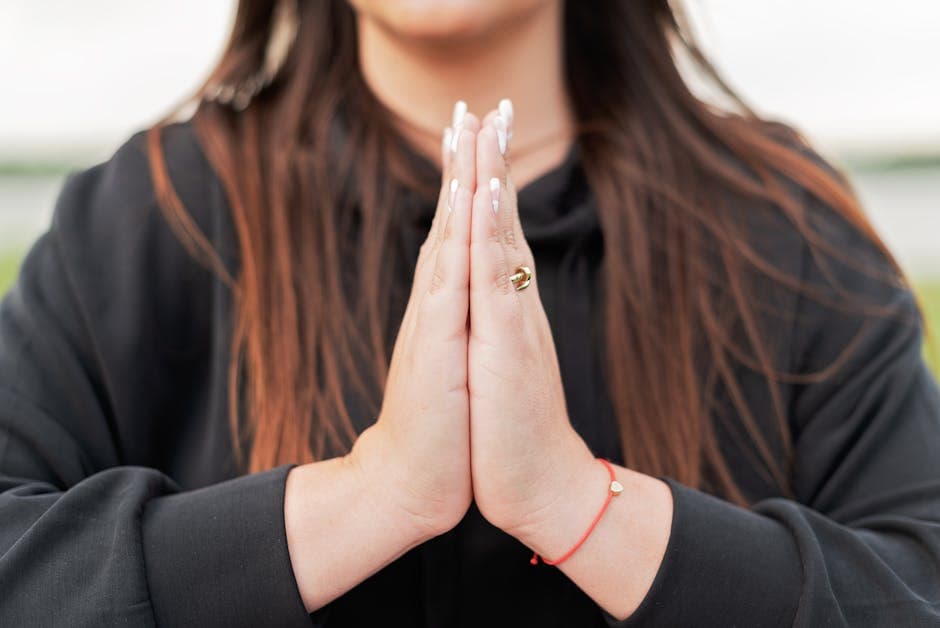
Research in positive psychology examines the role of gratitude in emotional wellbeing.
25 October 2024
Gratitude practices involve intentionally reflecting on positive aspects of life.
10 September 2024
Highly rated practitioners specialising in this modality.




